UPI in Greece is India’s latest overseas payment rollout. UPI in Greece means Indian travelers and businesses may get easier digital payments there over time. UPI stands for Unified Payments Interface. It is a system that lets people send money fast from one bank account to another.
Key takeaways
- India has launched UPI in Greece as part of its global payments push.
- UPI lets users pay straight from a bank account in seconds.
- The move could help tourists, merchants, and cross-border business links.
- Greece joins a growing list of places connected to India’s payment network.
Why does UPI in Greece matter?
This launch matters because UPI has become one of India’s biggest digital success stories. It changed how millions pay for tea, taxis, school fees, and shop bills. Now India wants that same ease to travel abroad.
For a traveler, the dream is simple. You scan, tap, and pay. You do not need to count cash or swap cards every time. That can save time, but it also makes small purchases feel less stressful.
For Greece, the move is also symbolic. It shows that India is exporting payment rails, not just apps. Payment rails are the basic tracks that move money. Think of them like roads for digital cash.
India’s government and the National Payments Corporation of India, or NPCI, have pushed UPI abroad for years. NPCI is the group that runs UPI. It also works with foreign partners so the system can function outside India.
How big is UPI already?
UPI is not a small experiment anymore. It handles huge volumes in India every month. According to NPCI data, UPI processed more than 18 billion transactions in a recent month. A transaction is one completed payment.
The value is even bigger. Monthly UPI payments have crossed Rs 24 lakh crore in recent data. That is a massive number, and it shows why other countries are paying attention.
Here is a quick look at the scale:
Recent UPI scale18+ bn transactionsRs 24+ lakh crore monthly value
Those numbers matter because scale builds trust. If a system works for hundreds of millions at home, other countries may see it as tested. That does not mean every foreign rollout will be fast, but it gives UPI weight.
| Metric | Recent scale | Why it matters |
|---|---|---|
| Monthly transactions | 18+ billion | Shows heavy everyday use |
| Monthly value | Rs 24+ lakh crore | Shows trust for large money flows |
| Payment speed | Near instant | Makes checkout quick |
How would UPI in Greece work for ordinary people?
The exact user experience depends on banks, apps, and merchant tie-ups. A tie-up is a formal business link. Still, the broad idea is easy to understand.
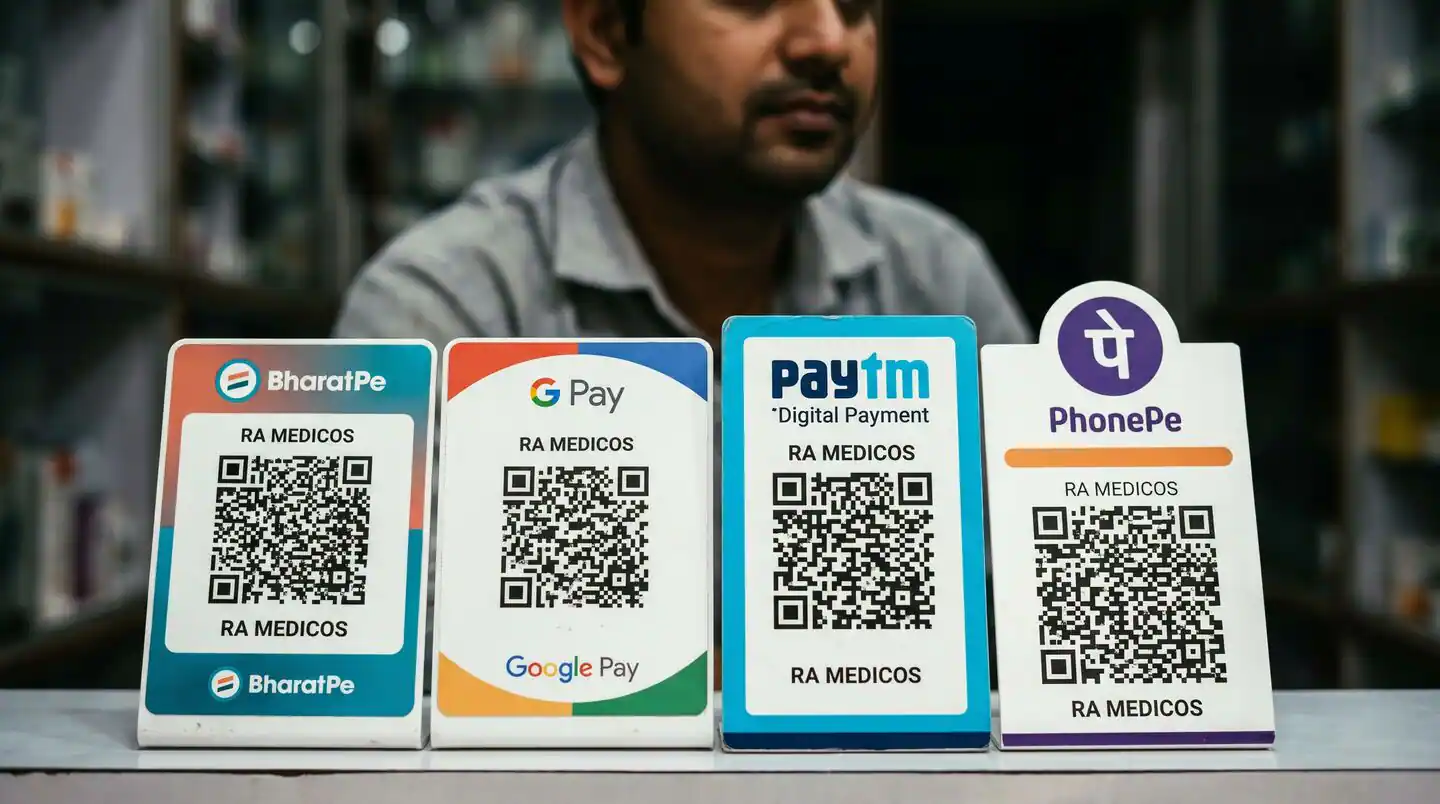
An Indian user with a UPI-enabled app may be able to pay a Greek merchant if that store accepts the network. The store would need the right QR code or payment setup. A QR code is the square pattern people scan with a phone camera.
This could help in busy travel spots. For example, a tourist buying coffee, metro tickets, or souvenirs may prefer a familiar payment app. That feels easier than carrying extra cash, especially for small bills.
It may also help some businesses. Hotels, tour operators, and local shops often serve Indian travelers. So a payment method those visitors already trust could make checkout smoother.
Which countries already use or connect with UPI?
Greece is not the first stop in this journey. India has already linked or launched UPI services in places such as Singapore, the UAE, Sri Lanka, France, Mauritius, Nepal, and Bhutan through different models and partnerships.
Each market works a little differently. Some links focus on person-to-person payments. Others focus on merchant payments. Merchant payments are store payments, like buying lunch or paying a hotel bill.
That is why UPI in Greece should be seen as a network expansion, not a magic switch. Real use usually grows in steps. First comes the agreement, then the technical setup, and then actual merchant adoption.
If you want to see how India is using AI in finance too, read our report on NPCI testing AI to catch payment fraud in real time. That matters because safer payments help digital systems grow.
What does this mean for India’s wider tech and money push?
This is about more than travel. India wants to show that its digital public infrastructure can travel abroad. Digital public infrastructure means digital systems, backed by public policy, that many people can use.
UPI is one of the best-known parts of that story. Aadhaar handles identity. DigiLocker stores documents online. UPI handles money movement. Together, they show how software can become national infrastructure.
That gives India soft power too. Soft power means influence through ideas, systems, and trust, not force. If more countries adopt Indian-built payment tools, India gains a louder voice in global fintech.
It also helps Indian firms that build around UPI. Payment companies, banks, travel platforms, and merchants can all gain if usage expands. Meanwhile, competition may push foreign payment players to improve fees and speed.
For more on India’s broader tech push, you can also read our coverage of OpenAI naming Prabhjeet Singh to lead its India push and Meta testing its coding assistant MetaCode.
Are there limits or questions around UPI in Greece?
Yes, and they matter. A launch announcement is not the same as full use everywhere. Many travelers will ask a simple question: can I use it in lots of real shops today?
The answer may be: not everywhere yet. Merchant acceptance usually grows over time. Banks must connect systems. Apps must update support. Staff must know how to accept the payment method.
Fees, currency conversion, and rules also shape adoption. Currency conversion means changing one country’s money into another. If that process is smooth and low-cost, more users may try it.
Security is another issue. Cross-border payments need strong checks because fraud can travel fast online. That is one reason NPCI and partner institutions move step by step.
UPI in Greece matters most if it becomes easy to use in real shops, not just easy to announce. For travelers, the real test is simple: does the payment work fast, safely, and at enough places to matter?
Where can readers verify the announcement?
The launch has been reported by business media in India, and the broader UPI expansion strategy has been outlined by official institutions. Readers can check NPCI’s official updates at NPCI. They can also follow government information from the Press Information Bureau.
Those sources are useful because cross-border payments can involve many partners. Official notices often explain which countries, banks, or payment channels are live. That helps separate a pilot from a fully active service.
FAQs
What is UPI in Greece?
UPI in Greece means India’s UPI payment system has been launched there through a cross-border arrangement. The goal is to make digital payments easier for users and merchants.
How can Indian travelers use UPI in Greece?
They may be able to use a supported UPI app at merchants that accept the system. Actual use depends on local acceptance, app support, and partner banks.
Why is UPI in Greece important for India?
It shows India is taking its homegrown payment system abroad. That helps travel, trade, and India’s image as a builder of large digital systems.