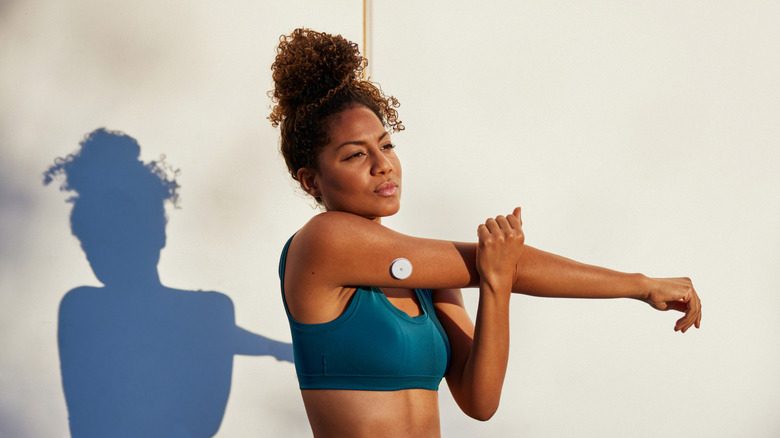
Ultrahuman M2 Live is a new glucose tracker for people who want to watch blood sugar in real time. Ultrahuman M2 Live means a wearable sensor system that tracks glucose, or sugar in your blood. It aims to turn body data into simple daily advice. That matters because food, sleep, stress, and exercise can all shift glucose levels.
Key takeaways
- Ultrahuman has launched Ultrahuman M2 Live as an updated glucose tracking product.
- The device focuses on metabolic health, which means how your body uses food for energy.
- It gives live glucose readings, so users can connect spikes and dips to daily habits.
- Its promise is useful insight, but it is not the same as a full medical diagnosis.
What is Ultrahuman M2 Live and why is it getting attention?
Ultrahuman M2 Live sits in the fast-growing health wearables market. These are gadgets you wear to track body signals. This one focuses on glucose, because blood sugar swings can show how your body reacts to lunch, a workout, or a rough night of sleep.
That idea is not brand new. Continuous glucose monitors, often called CGMs, have been around for years. A CGM is a small sensor that checks glucose through the day and night. But companies like Ultrahuman want to make that data feel less clinical and more useful for everyday life.
Engadget reported that the updated product is designed for metabolic tracking. Metabolic tracking means watching how your body turns food into energy. In simple terms, it tries to answer questions like: Did that bowl of rice cause a sharp spike? Did a 20-minute walk bring glucose down?
That is why people are paying attention. It takes a number from inside your body and turns it into a story about your habits. For many users, that feels more personal than a step count.
How does Ultrahuman M2 Live work?
The system uses a small sensor placed on the body. It reads glucose levels often and sends the data to an app. Then the app shows live trends, which means the direction your glucose is moving, not just one number.
That live view can help people spot patterns. For example, one meal may push glucose up fast, while another may keep it steadier. A steady line often suggests a gentler response, though each body is different.
Here is the basic idea in one line: Ultrahuman M2 Live gives near real-time glucose data, so users can see how food, sleep, stress, and exercise affect energy use inside the body.
Ultrahuman has built its name around turning body data into coaching. That matters because raw numbers can confuse people. A health app has to do more than display charts. It has to explain what might be happening and what action may help next.
What numbers matter with Ultrahuman M2 Live?
Even simple health devices lean on a lot of numbers. Some are about the body, and some are about the market. The product enters a wearable health sector where demand keeps rising as people spend more on prevention, not just treatment.
One common healthy fasting glucose range is about 70 to 99 mg/dL for many adults. mg/dL means milligrams per deciliter. It is just the unit doctors use to measure blood sugar. After meals, glucose can rise higher, and the shape of that rise is often what trackers highlight.
A CGM may collect readings every few minutes, which can add up to hundreds of data points a day. That is far more than a finger-prick test. So the appeal is easy to see: more data, more context, and fewer guesses.
Example glucose pattern after meals701101508am12pm4pm8pm
The chart above is only an example, not a medical reading. Still, it shows the kind of up-and-down pattern these devices watch. A spike after lunch and a smaller rise after dinner can help users compare choices.
| What it shows | Why it matters |
|---|---|
| Live glucose level | Shows current blood sugar trend |
| Meal response | Helps compare foods and portions |
| Daily pattern | Links sleep, stress, and exercise to glucose |
| Trend alerts | Warns if glucose is rising or falling fast |
Who is this for, and who should be careful?
This kind of product can attract several groups. Some people have diabetes and already know glucose data well. Others are athletes, biohackers, or curious users who want to learn how their body responds to food.
But there is an important limit. A wellness tracker is not the same as medical care. If you have symptoms, diabetes risk, or a treatment plan, a doctor should guide you. That is true because glucose data can be useful, but it can also be easy to misread.
For a healthy person, one high reading does not always mean something is wrong. Stress, hard exercise, poor sleep, or even timing can change the number. So context matters as much as the reading itself.
This is also where cost matters. Sensors usually need replacement after a set period, so buyers should look beyond the first price. A product can seem cheap at first, but ongoing sensor costs may add up month after month.
How does Ultrahuman M2 Live fit into the bigger wearable trend?
Health wearables are moving beyond steps and heart rate. Many companies now want to track deeper body signals. That includes glucose, recovery, temperature, and sleep quality. The goal is to make health data feel personal and daily.
Ultrahuman already plays in that world with rings and app-based insights. So Ultrahuman M2 Live fits a wider plan. It gives the company another way to keep users inside its health data system.
That trend is not happening in isolation. Other firms are also pushing smart tools that turn raw data into advice, as seen in Tech Mahindra’s Perplexity AI rollout for sales teams and rising tech investment such as TVS Motor’s growing R&D spend on EV and AI plans. These stories are not about health devices, but they show the same shift toward software-led decision tools.
There is also a business angle. Consumers are spending more on health tracking, and companies want recurring revenue. Recurring revenue means money that comes in again and again, often through subscriptions or repeat sensor sales.
What should buyers check before they try Ultrahuman M2 Live?
Start with the basics. Ask how long each sensor lasts, what the full monthly cost is, and what support comes with the app. Then check whether the product is aimed at wellness, medical monitoring, or both.
Also look at data privacy. Health data is personal, so users should know what gets stored and shared. A company’s policy page matters just as much as its product page. Readers can also review source material from Engadget’s report and check product details from Ultrahuman.
If you are comparing broader consumer trends, it may also help to see how companies are adjusting to changing demand in other sectors, like Amazon Prime India’s pricing and speed push or Prosus India’s latest revenue growth. The products differ, but the lesson is the same: people now expect smart services, clear value, and easy-to-read data.
For now, Ultrahuman M2 Live looks like a sharper pitch for people who want to understand their body in real time. The real test will be simple. Can it give clear, helpful advice without making users anxious or confused?
FAQs
What is Ultrahuman M2 Live?
Ultrahuman M2 Live is a glucose tracking product. It uses a sensor and app to show blood sugar trends through the day.
How is Ultrahuman M2 Live different from a normal glucose test?
A normal finger-prick test gives one reading at one moment. Ultrahuman M2 Live shows ongoing readings, so you can spot patterns over time.
Who should use Ultrahuman M2 Live?
It may appeal to people who want deeper health data. But anyone with diabetes or health concerns should use it with medical guidance.