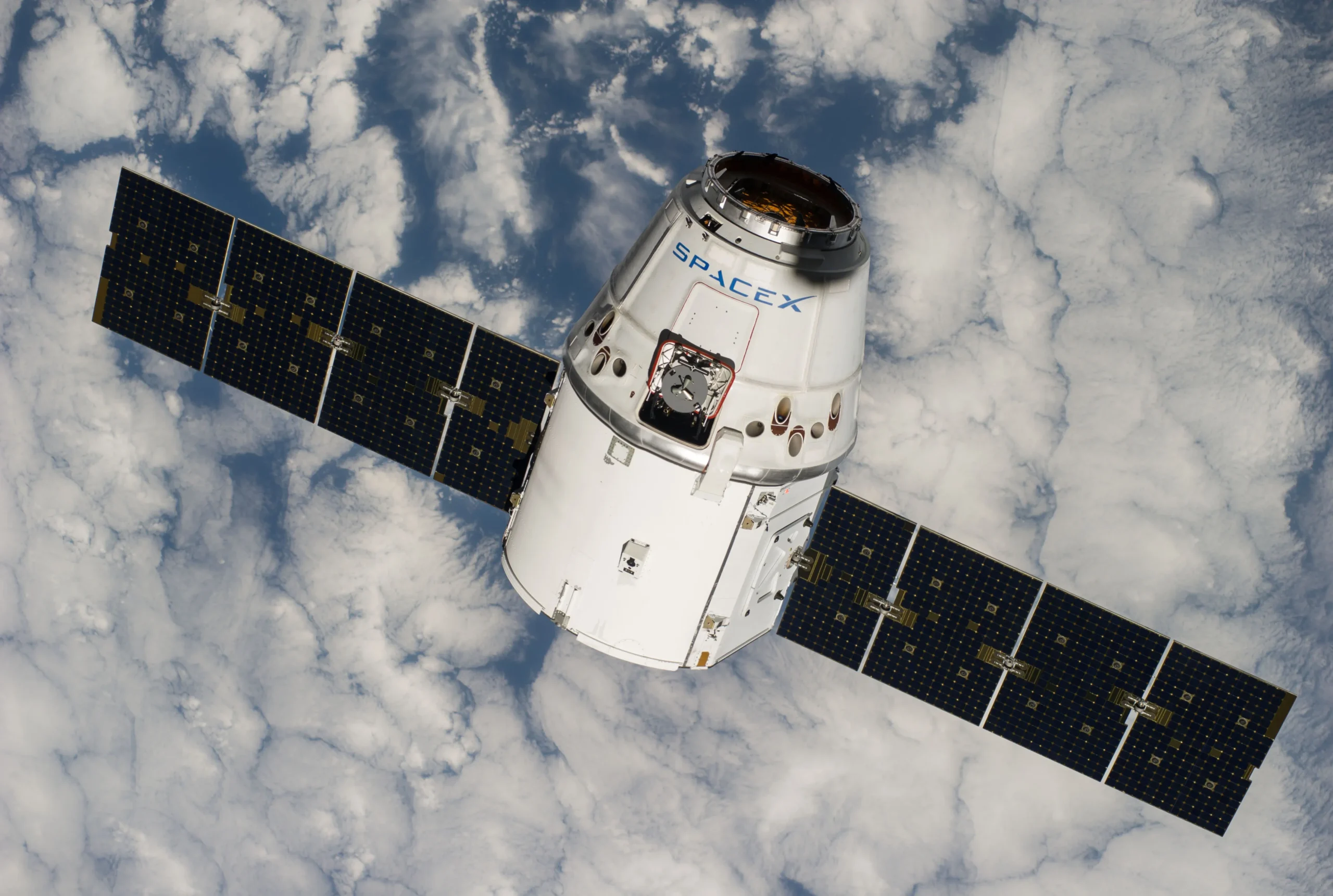
In a bombshell revelation that could fundamentally rewrite the rules of the $1.6-trillion telecom industry, a Financial Times report has revealed that Elon Musk’s SpaceX plans to launch a direct-to-consumer Starlink mobile service in the United States.
The highly ambitious strategy was laid out by SpaceX President and COO Gwynne Shotwell during the company’s recent investor roadshow following its landmark initial public offering (IPO), which valued the aerospace giant at a historic $1.8 trillion. The pivot signals a massive structural evolution for Starlink—transitioning from a satellite hardware provider into a full-scale retail cellular network.
1. The Strategy: Shifting from Partner to Competitor
Up until now, Starlink’s mobile ambitions were viewed purely as a supplemental “Direct-to-Cell” backup system built in partnership with existing telecom carriers like T-Mobile to eliminate dead zones in rural pockets.
The FT report reveals that SpaceX is preparing to bypass the middleman entirely:
- Direct Retail Contracts: SpaceX is planning to sell standard cellular mobile contracts directly to everyday U.S. consumers under the Starlink brand.
- Terrestrial Infrastructure: Rather than relying exclusively on beams from orbit, Shotwell indicated that SpaceX is actively considering building its own physical, terrestrial U.S. wireless mobile network on the ground to handle high-density urban traffic.
- Cutting the intermediaries: By transitioning into a standalone carrier, Starlink can directly capture highly sticky consumer subscription revenue, expanding its market addressable size beyond fixed rural dish setups to target any smartphone user in America.
[Old Satellite Strategy]  ──► Partnerships with T-Mobile ──► Supplemental Space Coverage Only
                                                                     │
                                                                     ▼ (2026 Strategic Pivot)
[New Terrestrial Push]    ──► Starlink Direct Retail MNO ──► Sells Phone Contracts Directly to Consumers
2. The $19.6 Billion Secret Weapon: EchoStar Spectrum
The technical feasibility of Starlink executing a massive, rapid cellular launch relies on a string of quiet, high-value asset acquisitions executed late last year that caught the telecom industry off guard:
The Airwave War Chest: In late 2025, SpaceX executed two massive acquisitions of highly coveted wireless spectrum licenses from EchoStar, dropping $17 billion in September and an additional $2.6 billion in November.
By taking control of this $19.6 billion spectrum portfolio, Starlink effectively acquired the legal and physical airwaves required to broadcast cellular data directly to consumer handsets without interfering with existing networks. Oppenheimer analysts note this war chest allows SpaceX to immediately stand up an affordable, highly robust network that bypasses the multi-year regulatory hurdles usually required to launch a mobile network from scratch.
3. Shaking Up the Three-Carrier Monopoly
Starlink’s entrance puts it on an immediate, aggressive collision course with the entrenched “Big Three” carriers that have tightly controlled the United States telecommunications infrastructure for decades:
| Telecom Incumbent | Current Market Defenses & Vulnerabilities | Starlink’s Disruptive Vector |
| T-Mobile | Currently a core partner utilizing Starlink for remote data coverage. | Faces near-term risk of its closest space partner converting into a direct tier-1 retail competitor. |
| Verizon | Relies on massive, capital-intensive fiber and cell tower layouts. | Threat of premium consumer churn as Starlink offers hybrid space-and-ground data continuity. |
| AT&T | Entrenched legacy consumer contracts; high infrastructure debt overheads. | Squeezed by a lean, low-overhead satellite network paired with next-generation EchoStar spectrum. |
The aggressive telecom expansion arrives as Starlink’s base metrics hit record velocities, with the division recently confirming it has surpassed 12 million active customers globally across 160 countries, heavily up from 9 million in 2025. Backed by the imminent deployment of its massive third-generation satellites—which promise a 10x capacity jump to 1 Terabit per second of downlink per bird—Musk’s space internet division is timing its cellular assault to catch legacy telecom giants right as their infrastructure upgrades have stalled.