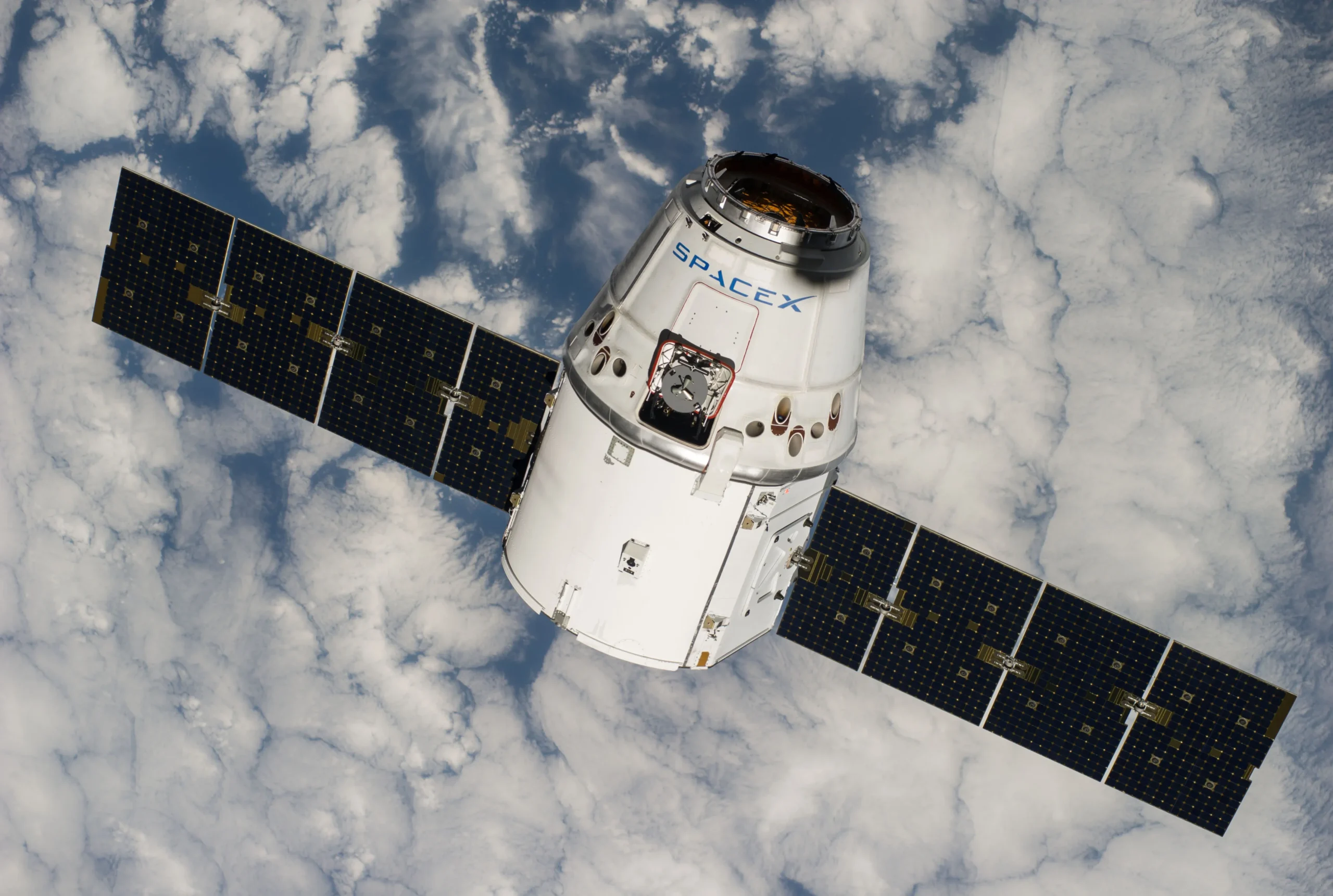
SpaceX has filed an application with the U.S. Federal Communications Commission (FCC) seeking approval to deploy up to 100,000 third-generation (Gen3) Starlink satellites, marking the company’s most ambitious satellite broadband expansion plan to date. If approved, the proposed constellation would be nearly three times larger than SpaceX’s previously authorized Starlink network and is designed to deliver multi-gigabit internet speeds, lower latency, expanded direct-to-device connectivity, and AI-ready global communications infrastructure. The filing underscores SpaceX’s long-term vision of building a next-generation space-based internet capable of supporting billions of users, enterprises, governments, and emerging AI applications.
The proposed Gen3 constellation would operate in very low Earth orbit (VLEO), enabling faster data transmission and reduced latency compared with higher orbital systems. SpaceX argues that the dramatic expansion is necessary to meet surging global demand for broadband, cloud computing, and AI-driven services while strengthening network resilience and capacity.
SpaceX Seeks Approval for 100,000 Gen3 Starlink Satellites
According to the FCC filing, SpaceX is requesting authorization to deploy 100,000 Gen3 satellites, significantly expanding its existing Starlink infrastructure.
Key highlights include:
- Up to 100,000 third-generation Starlink satellites.
- Deployment in very low Earth orbit (VLEO).
- Multi-gigabit broadband capability.
- Lower latency than previous generations.
- Higher network capacity.
- Global coverage for consumers, businesses, and governments.
If approved, it would become the largest commercial satellite constellation ever proposed.
Why SpaceX Wants a Much Larger Constellation
SpaceX says the Gen3 network is designed to support the next phase of global internet demand, particularly as AI, cloud services, and connected devices require substantially more bandwidth.
The company expects the new constellation to enable:
- Multi-gigabit internet speeds.
- Lower network congestion.
- Higher reliability.
- Improved rural broadband coverage.
- Enhanced direct-to-device mobile connectivity.
- Better support for AI and cloud applications.
The filing describes AI as a major driver of future communications demand, requiring significantly greater network capacity than today’s internet infrastructure.
Gen3 Satellites Bring Major Technical Upgrades
The proposed third-generation satellites represent a substantial leap over earlier Starlink generations.
Expected improvements include:
- Larger communication payloads.
- Increased spectrum efficiency.
- More powerful phased-array antennas.
- Higher data throughput.
- Improved inter-satellite laser communications.
- Greater energy efficiency.
Combined with VLEO deployment, these upgrades are intended to improve both speed and responsiveness while increasing the total capacity of the Starlink network.
Building an AI-Ready Global Network
SpaceX positions the Gen3 constellation as infrastructure for the AI era rather than only a consumer broadband service.
Potential applications include:
- AI cloud computing.
- Autonomous vehicles.
- Smart factories.
- Industrial Internet of Things (IoT).
- Global enterprise networking.
- Defense and emergency communications.
The company argues that future AI workloads will require continuous, high-capacity global connectivity that traditional terrestrial infrastructure alone may not provide.
Competition in the Satellite Internet Market
The filing comes as competition intensifies in the low Earth orbit (LEO) satellite broadband industry.
Major competitors include:
- Amazon’s Project Kuiper.
- Eutelsat OneWeb.
- China’s Guowang constellation.
- Telesat Lightspeed.
Despite increasing competition, Starlink remains the world’s largest operational satellite internet network, with more than 10 million customers across over 160 countries and territories.
Regulatory and Industry Challenges
Deploying 100,000 additional satellites would require extensive regulatory review.
Key issues include:
- Orbital debris management.
- Spectrum coordination.
- Space traffic safety.
- Collision avoidance.
- Astronomical interference.
- Long-term orbital sustainability.
The FCC and international regulators will evaluate the proposal before granting final approval.
Economic Impact
If approved, the Gen3 constellation could significantly expand SpaceX’s commercial opportunities.
Potential benefits include:
- Higher Starlink revenue.
- Enterprise connectivity growth.
- Expansion into mobile broadband.
- Increased government contracts.
- Greater AI infrastructure services.
- Stronger global digital inclusion.
Industry analysts believe the expansion could strengthen SpaceX’s position as one of the world’s leading communications infrastructure providers.
What Investors Will Watch
Market participants will closely monitor:
- FCC approval timeline.
- Starship’s readiness to launch larger Gen3 satellites.
- Deployment schedule.
- Capital expenditure requirements.
- Subscriber growth.
- Competition from rival satellite operators.
These factors will determine how quickly SpaceX can execute one of the most ambitious satellite deployment programs ever proposed.
Outlook
SpaceX’s application to deploy 100,000 Gen3 Starlink satellites represents a bold step toward building a next-generation global communications network. By dramatically expanding its constellation and introducing higher-capacity satellites operating in very low Earth orbit, the company aims to deliver faster broadband, lower latency, and infrastructure capable of supporting the growing demands of AI, cloud computing, and direct-to-device connectivity.
If regulators approve the proposal, the Gen3 constellation could redefine satellite internet at an unprecedented scale, reinforcing SpaceX’s leadership in the commercial space industry while accelerating the evolution of global broadband infrastructure for the AI era.
Get the day’s top stories in your inbox
One concise email. No spam, unsubscribe anytime.