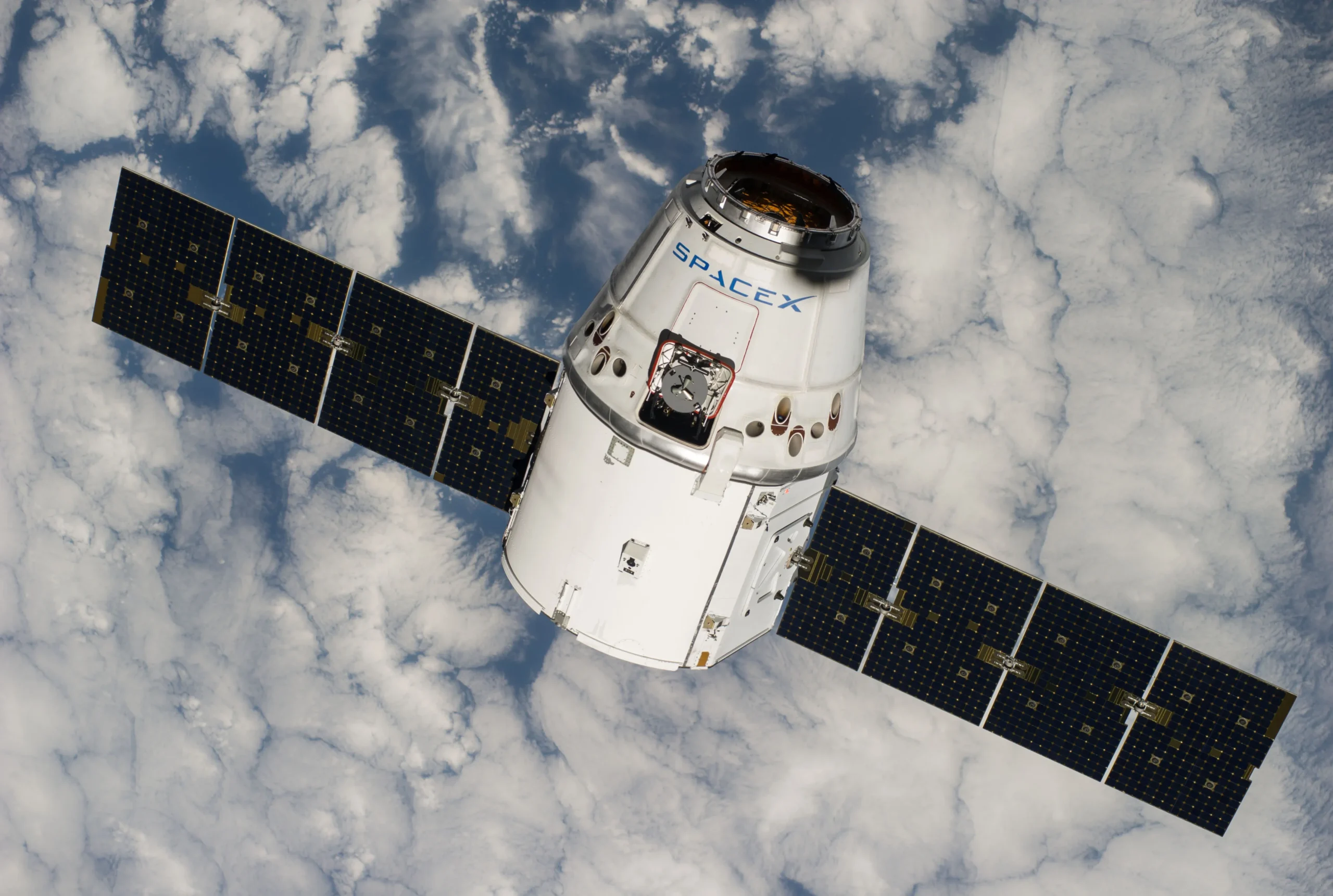
Elon Musk has outlined an ambitious new roadmap for SpaceX, prioritizing the construction of a self-growing city on the Moon before establishing a permanent settlement on Mars. According to Musk, robotic lunar construction could begin as early as 2026, with the Moon serving as a proving ground for technologies needed to build a self-sustaining human civilization beyond Earth. He estimates that a self-sustaining Martian settlement could become a reality between 2045 and 2055, although he cautioned that the timeline depends on major technological breakthroughs and the success of SpaceX’s Starship program.
The strategy marks a notable shift from Musk’s earlier emphasis on Mars-first exploration. Instead, SpaceX now plans to use the Moon’s proximity to Earth to accelerate testing of autonomous construction, in-situ resource utilization (ISRU), and life-support technologies before deploying them on Mars.
Moon Construction to Begin in 2026
Musk said SpaceX intends to begin sending construction equipment and autonomous systems to the Moon starting in 2026.
The first phase is expected to focus on:
- Delivering cargo using Starship.
- Deploying Tesla Optimus humanoid robots.
- Building power infrastructure.
- Constructing landing pads and habitats.
- Demonstrating autonomous construction technologies.
- Testing local resource extraction.
Rather than immediately sending large numbers of astronauts, SpaceX plans to rely heavily on robots to prepare the lunar surface for future human habitation.
Why SpaceX Is Prioritizing the Moon
Musk says the Moon offers several advantages over Mars for building humanity’s first off-world city.
Key reasons include:
- Launch opportunities every 10 days, compared with roughly every 26 months for Mars.
- Travel time of about two days instead of approximately six months.
- Faster testing and iteration of new technologies.
- Easier logistics and emergency return to Earth.
- Lower mission costs.
- Opportunity to validate systems before deep-space deployment.
According to Musk, faster iteration makes it possible to establish a self-growing lunar city in less than 10 years, while a comparable Martian settlement would likely take more than two decades.
Robots Will Build the First Infrastructure
SpaceX expects autonomous robots to perform most early construction tasks before humans arrive.
Planned activities include:
- Constructing habitats.
- Installing solar and power systems.
- Building roads and landing zones.
- Extracting water ice.
- Producing oxygen and rocket propellant from local resources.
- Expanding infrastructure autonomously.
Using robotics reduces risks for astronauts while allowing infrastructure to expand continuously between crewed missions.
Mars Settlement Targeted for 2045–2055
While the Moon is now the immediate priority, Musk says Mars remains SpaceX’s long-term objective.
The roadmap envisions:
- Initial Mars development beginning in roughly 5–7 years, alongside lunar efforts.
- Continued cargo missions using Starship.
- Deployment of robotic construction systems.
- Gradual arrival of human settlers.
- A self-sustaining Martian city between 2045 and 2055, assuming technological and operational milestones are achieved.
Musk argues that establishing independent human civilizations beyond Earth is essential for the long-term survival of humanity.
Starship at the Center of the Plan
The entire strategy depends on the successful development of Starship, SpaceX’s fully reusable heavy-lift launch system.
Starship is expected to enable:
- Large cargo deliveries.
- Transport of construction equipment.
- Human missions.
- Lunar base resupply.
- Mars cargo transport.
- Reusable deep-space missions.
SpaceX is continuing to refine Starship through flight testing before beginning operational lunar missions.
Major Challenges Ahead
Despite the ambitious roadmap, significant hurdles remain.
Among the biggest challenges are:
- Demonstrating reliable Starship operations.
- Developing autonomous robotic construction.
- Producing fuel and life-support resources on the Moon and Mars.
- Protecting astronauts from radiation.
- Building closed-loop life-support systems.
- Securing sustained funding and regulatory approvals.
Many aerospace experts note that Musk’s timelines have historically been optimistic, and the proposed schedule will depend on continued technological progress.
What This Means for the Space Industry
If successful, SpaceX’s strategy could transform the commercial space sector by accelerating demand for:
- Space robotics.
- Lunar infrastructure.
- Advanced propulsion systems.
- In-space manufacturing.
- Satellite communications.
- Deep-space logistics.
The roadmap also aligns with growing international interest in returning humans to the Moon through NASA’s Artemis program and other global lunar initiatives.
Outlook
Elon Musk’s latest vision represents one of SpaceX’s most ambitious strategic shifts to date. By prioritizing a self-growing lunar city before expanding to Mars, the company aims to validate the technologies needed for permanent human settlement beyond Earth while reducing the risks associated with interplanetary colonization.
Although the timeline remains highly ambitious and depends on successful Starship development, autonomous robotics, and sustained investment, the roadmap outlines a long-term vision in which the Moon becomes humanity’s first permanent off-world settlement, paving the way for a self-sustaining civilization on Mars in the decades that follow.
Get the day’s top stories in your inbox
One concise email. No spam, unsubscribe anytime.