Apple has officially stopped signing older versions of iOS for the iPhone 5c and the first-generation iPad mini, preventing users from restoring or downgrading these devices to previously supported firmware versions. The move is part of Apple’s long-standing software security policy, which limits the installation of outdated operating systems after support has ended. While the affected devices continue to function if they are already running a compatible version of iOS, users can no longer install or restore unsigned firmware through official channels.
The decision marks another step in Apple’s gradual retirement of legacy hardware as the company focuses on maintaining a secure software ecosystem and encouraging users to transition to newer devices that receive regular security updates.
Apple Ends iOS Signing for Legacy Devices
Apple has stopped cryptographically signing older iOS firmware for two of its oldest supported devices:
- iPhone 5c
- First-generation iPad mini
Without Apple’s digital signature, users cannot:
- Restore these devices using older firmware.
- Downgrade to previous iOS versions.
- Reinstall unsigned software through Finder or iTunes.
- Use official Apple servers to verify outdated firmware.
The change affects official software installation only and does not immediately disable devices already in use.
What Does “Stopping iOS Signing” Mean?
Every time an iPhone or iPad is restored or updated, Apple’s servers verify that the firmware being installed is still authorized.
Once Apple stops signing a version:
- Installation requests are rejected.
- Downgrades become impossible through official methods.
- Only firmware that Apple still signs can be installed.
- Older software versions can no longer be verified.
This mechanism helps ensure users run secure and supported operating systems.
Why Apple Stops Signing Older iOS Versions
Apple routinely ends support for outdated firmware to improve the overall security of its ecosystem.
The company cites several reasons:
- Closing known security vulnerabilities.
- Preventing exploitation of older software.
- Reducing malware risks.
- Encouraging users to install supported releases.
- Maintaining compatibility across Apple’s ecosystem.
- Simplifying long-term software maintenance.
The policy has been a standard part of Apple’s software update strategy for many years.
Devices Affected
The latest change impacts some of Apple’s oldest hardware.
iPhone 5c
Released in 2013, the iPhone 5c introduced colorful polycarbonate designs while sharing much of its hardware with the iPhone 5.
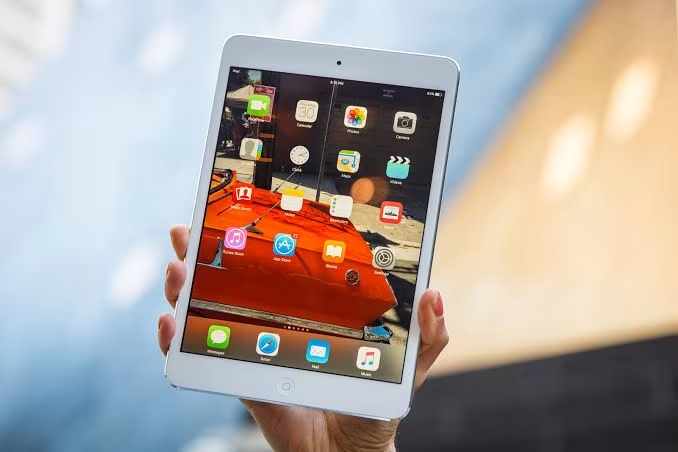
First-Generation iPad mini
Also launched in 2012, the original iPad mini brought Apple’s compact tablet experience to millions of users and remained popular for several years because of its portability and affordability.
Both products have long since reached the end of their official software support lifecycle.
What This Means for Users
Current owners should note:
- Existing devices will continue working normally.
- Previously installed apps will continue functioning if compatible.
- Official firmware restoration options are now more limited.
- Security updates are no longer available for these models.
- Hardware repairs may become increasingly difficult due to age.
Users experiencing software issues may have fewer recovery options than before because older firmware can no longer be reinstalled through Apple’s official servers.
Apple’s Broader Software Strategy
Apple regularly retires support for aging devices as part of its broader software lifecycle management.
The company continues to prioritize:
- Strong platform security.
- Regular security patches.
- Long-term software support for newer devices.
- Better performance on modern hardware.
- Reduced fragmentation across iOS and iPadOS.
This approach helps protect users while allowing Apple to focus engineering resources on current-generation products.
Outlook
Apple’s decision to stop signing older iOS firmware for the iPhone 5c and first-generation iPad mini reflects its ongoing commitment to software security and platform integrity. Although the affected devices remain usable, owners can no longer restore or downgrade them using official Apple tools, making long-term maintenance more challenging.
As Apple continues retiring legacy hardware, users relying on older devices may increasingly consider upgrading to newer iPhones or iPads that receive regular security updates, improved performance, and access to the latest iOS and iPadOS features.
Get the day’s top stories in your inbox
One concise email. No spam, unsubscribe anytime.