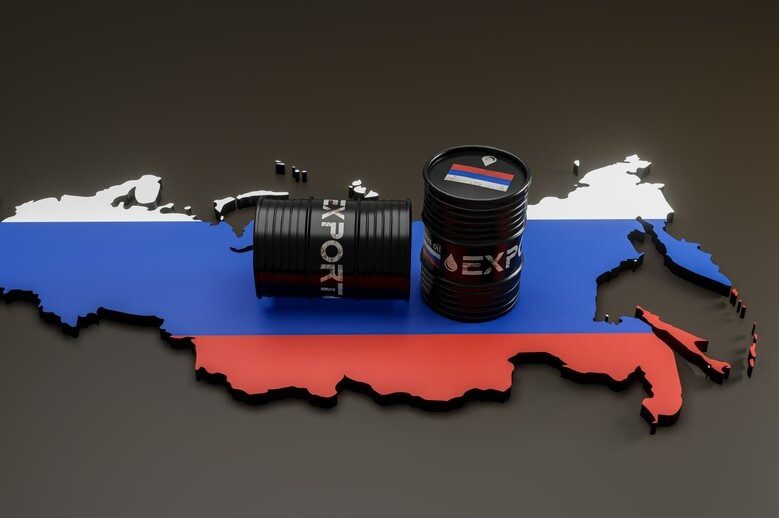
The Russian government is actively considering a complete ban on diesel fuel exports to stabilize its struggling domestic fuel market.
During a government meeting chaired by President Vladimir Putin on Tuesday, June 23, 2026, Deputy Prime Minister Alexander Novak described the situation on the domestic front as “challenging but under control,” confirming that an absolute halt on outbound diesel shipments is on the table if regional shortages worsen.
1. The Trigger: Escalating Fuel Shortages & Drone Strikes
The consideration of an export ban comes amidst severe localized fuel crises across various Russian regions. Over the past week, strict rationing and limits on fuel sales at gas stations have been implemented in areas including Saratov, Tver, Omsk, Tyumen, Voronezh, Tatarstan, and Russian-controlled Crimea.
The critical driver of this domestic supply crunch is a highly successful campaign of Ukrainian drone strikes targeting Russian energy infrastructure:
- Capacity Knockout: Ukraine’s General Staff reported striking 16 major Russian oil refineries and fuel terminals, which has effectively knocked out more than 30% of the country’s refining capacity.
- Refinery Downtime: Processing volumes have plummeted to their lowest levels since 2009. A recent strike on June 12 targeted Tatneft’s major TANECO refinery in Tatarstan, forcing multiple facilities into unscheduled, emergency maintenance.
[Ukrainian Drone Strikes on 16 Refineries] ──► [30%+ of Refining Capacity Offline] ──► [Regional Fuel Shortages & Price Spikes YTD] ──► [Proposed Total Diesel Export Ban]
2. Part of a Wider Export Lockout
If finalized, a diesel embargo will complete Russia’s isolation from global refined-product markets, following a series of other emergency export bans implemented earlier this year:
- Gasoline: A total ban on gasoline exports is currently active through July 31, 2026.
- Jet Fuel: On June 1, 2026, Moscow introduced its first-ever ban on aviation fuel exports, which is locked in until November 30, 2026.
- Diesel (Proposed): Diesel is highly sensitive because it powers Russia’s heavy transport networks, its vital agricultural machinery during the peak summer harvest, and its active military operations. Retail diesel and gasoline prices on the domestic St. Petersburg International Mercantile Exchange (SPIMEX) have decoupled from global trends, rising 6.61% year-to-date—far outstripping Russia’s wider inflation metrics.
3. Global Repercussions: Who Gets Hit?
While Russia has been dealing with Western sanctions, it has remained a massive global exporter of refined petroleum products by redirecting its flows. Pulling Russian diesel completely off the water introduces significant pain points for its main alternative buyers:
The Major Buyers: Brazil and Turkey have emerged as the primary importers of Russian seaborne diesel over the past two years. A complete cutoff will force these nations back into Western or Middle Eastern supply chains, introducing sharp bidding competition.
The panic has already driven some international shifts; despite its strict sanctions rhetoric, the United Kingdom recently had to ease certain restrictions on importing fuel processed from Russian crude to cap skyrocketing local energy costs.
To manage the internal bleeding, Novak noted that Russian oil companies are currently delaying scheduled maintenance, maxing out all remaining operational facilities, and rewriting tax codes to artificially subsidize domestic fuel distribution. However, if infrastructure attacks continue to outpace repair timelines, a full export ban remains the Kremlin’s final blunt instrument to protect its domestic economy.