Global crude oil prices have plummeted to a four-month low, effectively erasing the massive geopolitical risk premium built up over recent months.
In early trading, international benchmark Brent crude fell beneath $76 per barrel, while the US standard West Texas Intermediate (WTI) slipped past $72 per barrel. Both markers extended multi-day losses to hit their lowest pricing thresholds since early March.
1. The Catalysts: Why Prices Are Collapsing
The sudden downward spiral is a direct reaction to significant breakthroughs in Middle East diplomacy and the loosening of critical energy bottlenecks:
- The 60-Day US-Iran Sanctions Waiver: The primary trigger pulling the rug out from under the oil bulls was Washington’s decision to grant Tehran a 60-day sanctions waiver. This temporary authorization enables Iran to immediately resume crude and petroleum product sales while both nations attempt to cement a permanent peace deal.
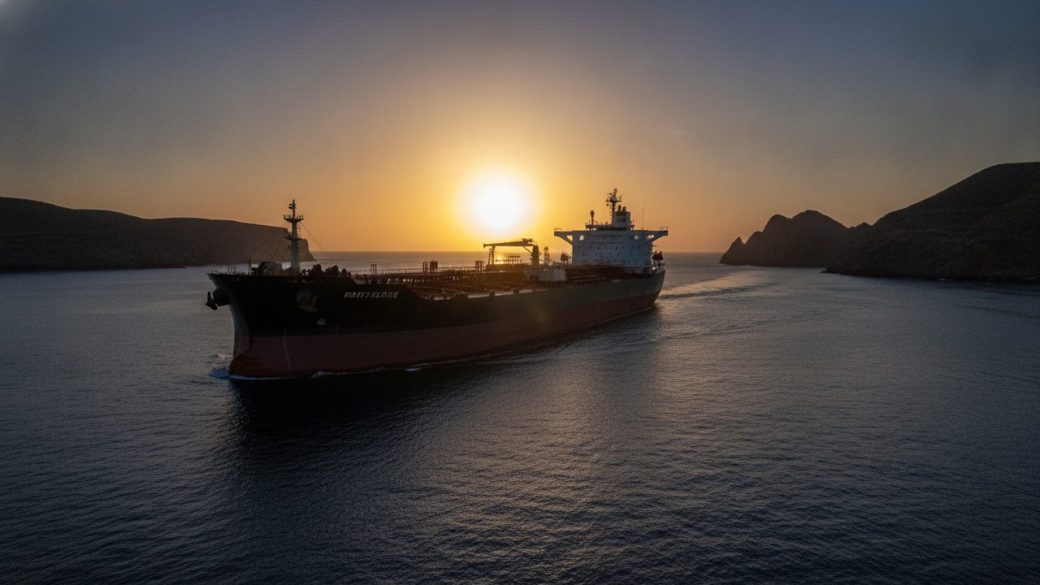
- The Unclogging of the Strait of Hormuz: Traffic through the world’s most critical energy chokepoint is rapidly normalizing. Following localized agreements between Oman and Iran over maritime navigation, dozens of tankers previously stranded or blocked in the Gulf have begun moving. Tanker tracking data shows over 30 million barrels of crude—including heavily discounted Iranian oil and fresh Gulf exports—headed toward Asian markets.
- Easing Friction in Lebanon: Parallel negotiations taking place in the US between Israel and Lebanon have successfully de-escalated clashes involving Hezbollah, removing the immediate fear of a wider regional war drawing in critical oil fields.
[US-Iran 60-Day Sanctions Waiver] ──► [Hormuz Tanker Flows Reopen] ──► [30M+ Barrels Flood Toward Asia] ──► Geopolitical Risk Premium Erased
2. Market Sentiment & The Outlook for Surpluses
The supply influx arrives at a highly sensitive time for global energy desks. Both OPEC and the International Energy Agency (IEA) have recently revised down their global oil demand growth forecasts for the remainder of the year due to shifting macro conditions.
With demand slowing, the rapid return of deferred Middle Eastern barrels has raised structural oversupply flags. Because several OPEC+ members had been storing full volumes or halting operations while shipping routes were disrupted, they are now sitting well below their baseline capacity targets, introducing a high likelihood of a near-term market surplus.
The Macro Impact: The sharp drop in crude has already triggered a highly visible relief ripple across consumer economies. In the United States, national average gasoline prices have finally dropped below the $4.00 per gallon mark for the first time in months. Similarly, large net-importing economies like India and European nations are expecting a notable easing of import-inflation pressures if prices maintain this lower baseline.