Key takeaways
- Rollick funding plan is the company’s effort to raise its first outside money.
- The ice cream brand has reportedly hired a banker to help find investors.
- Fresh cash could help Rollick open more outlets, add freezers, and grow into new cities.
- Investors still like food brands, but they want clear profit plans, not just fast growth.
Rollick funding plan is the ice cream company’s move to raise its first funding round from outside investors. That means people or firms may put money into the business for a stake in it. The plan matters because cash can help Rollick grow faster. It can also show how investors now see India’s food and dessert startups.
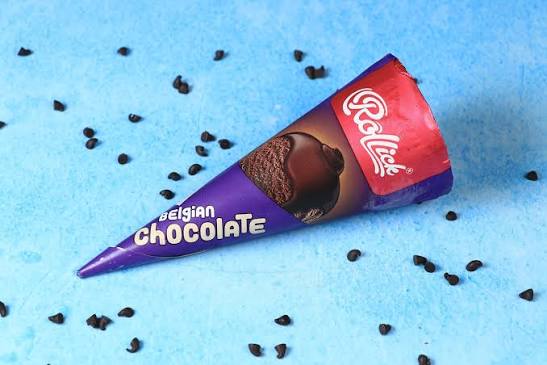
Rollick, an eastern India ice cream brand, is looking for maiden funding, according to a VCCircle report. Maiden funding means a company’s first big outside investment round. The company has reportedly tapped an investment banker, so it can run a more formal fund-raise and speak with possible investors.
That step may sound small, but it tells you a lot. Young brands usually bring in a banker when they want a wider set of investors. A banker helps prepare company numbers, growth plans, and deal talks. In simple terms, the banker acts like a matchmaker between the startup and money firms.
Why is the Rollick funding plan happening now?
Ice cream is a fun product, but this is serious business. Brands need cash for factories, cold storage, delivery vans, and freezers in stores. Cold storage means keeping food at low temperatures so it stays safe and fresh. That setup costs much more than selling chips or soap.
Rollick has built a name in East India over the years. If it wants to expand faster, it may need more than its own profits. Outside money can help pay for more retail points, stronger supply chains, and new marketing. Marketing means the ads and promotions used to attract buyers.
Timing also matters because consumer brands are in a tricky spot. Some investors still back strong food startups, but they ask harder questions now. They want proof that each new store or freezer can make money. As a result, the Rollick funding plan will likely focus on both growth and profits.
What could Rollick do with fresh money?
The most likely use is expansion. An ice cream company can grow by opening its own parlours, adding more dealer outlets, and placing branded freezers in shops. A dealer outlet is a local store that sells the company’s products. Each step helps the brand reach more people during the hottest months.
It may also spend on production. If demand rises fast, a brand needs enough factory capacity to keep shelves full. Capacity means how much a plant can make in a set time. If factories fall behind in summer, sales can melt away very quickly.
Then there is distribution. Ice cream needs a strong cold chain. A cold chain is the chilled path from factory to shop. One broken link can ruin a batch. So money for trucks, warehouse space, and freezer checks can matter as much as ads.
New products could be part of the Rollick funding plan too. Brands often add cups, cones, family packs, and lower-price items. They do this because buyers shop with different budgets. A child may want a ₹20 treat, while a family may buy a 1-litre tub.
How big is India’s ice cream market?
India’s ice cream market is still smaller per person than in many richer countries, but it is growing. That gives brands room to expand. Industry estimates often place the market in the billions of dollars, though exact numbers vary by research firm. Vary means different groups count the market in different ways.
Weather helps, of course. India has long summers, and heat drives cold dessert sales. But growth is not only about temperature. Better electricity, more freezers, app-based delivery, and rising city incomes also help. In fact, even small format stores can now sell frozen items more reliably than before.
Here is a simple picture of what expansion can look like for a regional ice cream brand:
What growth usually needsFreezersHighCold chainHighMarketingMediumNew productsMedium
The chart is not Rollick’s exact budget. It simply shows where many ice cream brands usually spend when they scale. Freezers and cold chain often eat a large share because frozen goods are harder to handle than dry snacks.
| Growth area | Why it matters | Typical cost pressure |
|---|---|---|
| Freezers | Lets more shops stock ice cream | High upfront cost |
| Cold chain | Keeps products frozen during delivery | High operating cost |
| Marketing | Builds brand recall in new cities | Medium |
| Production | Prevents stock-outs in peak season | Medium to high |
What will investors ask before backing the Rollick funding plan?
Investors will look at store reach, sales growth, and margins. Margin means how much money is left after costs. If a company sells more but earns very little on each sale, investors may worry. They also watch whether sales rise only in summer or stay steady all year.
Another key point is geography. A regional leader can do well in one part of India, but new cities are tough. Tastes differ, store networks differ, and transport costs can rise fast. So investors may ask Rollick to prove it can win outside its home base without burning too much cash.
They will likely compare Rollick with other consumer stories too. Retail and consumer brands often need scale before profits improve. You can see that pressure in sectors far beyond desserts, from store expansion plans at Trent’s Westside to fast-moving bets in quick commerce food retail in India.
Funding markets are also choosy because interest rates stay higher than they were a few years ago. Higher rates make money costlier. That can push investors to prefer businesses with cleaner books and shorter paths to profit. For broad startup funding trends, readers can track primary data from IVCA and company filing records at the Ministry of Corporate Affairs.
Why does this matter beyond one ice cream company?
The Rollick funding plan is a small but useful signal. It shows regional consumer brands still believe they can raise money if they have a real business and a clear growth story. Not every startup now gets easy cash. But brands with known products and steady demand still have a chance.
It also highlights how hard physical products can be. Software startups can add users with servers and code. Ice cream brands need milk, sugar, power, trucks, and freezers. For example, one new city may need dozens of freezer points before sales really take off. That makes each expansion step slower, but also more defensible if done well.
For readers who track dealmaking, this sits in the wider trend of firms preparing early for capital raises or listings. We have seen that in other sectors too, such as the Malaysia IPO boom and the reported Moonshot IPO plan. Different industries, same lesson: investors want growth, but they now demand discipline.
The simplest way to read the Rollick funding plan is this: a regional ice cream brand wants fresh capital to grow, but investors will likely back it only if the numbers show that expansion can stay cold, fast, and profitable.
What happens next in the Rollick funding plan?
The company and its banker will likely speak with funds that invest in consumer businesses. They may share sales trends, city presence, factory details, and future targets. If talks go well, Rollick could receive term sheets. A term sheet is a basic deal paper that sets the main funding terms.
After that, due diligence usually begins. Due diligence means checking the company’s numbers, contracts, taxes, and legal records. This stage can take weeks or months. If both sides agree, the funding round closes and the cash comes in.
No deal is certain until papers are signed. But even this early step matters because it shows Rollick is moving from steady regional brand to possible growth-stage company. That is why the Rollick funding plan is worth watching.
FAQs
What is the Rollick funding plan?
It is Rollick’s reported effort to raise its first outside investment. The company has reportedly hired a banker to help find investors.
Why would an ice cream company need funding?
Ice cream needs freezers, cold transport, and factory capacity. Those things cost a lot, so outside cash can speed up expansion.
Who might invest in Rollick?
Private equity and venture funds that back consumer brands may look at the deal. They will likely want proof of growth, margins, and strong distribution.
When could the funding round close?
There is no public timeline yet. Early fundraising talks can close in a few months, but some deals take longer if checks and negotiations stretch out.
Get the day’s top stories in your inbox
One concise email. No spam, unsubscribe anytime.