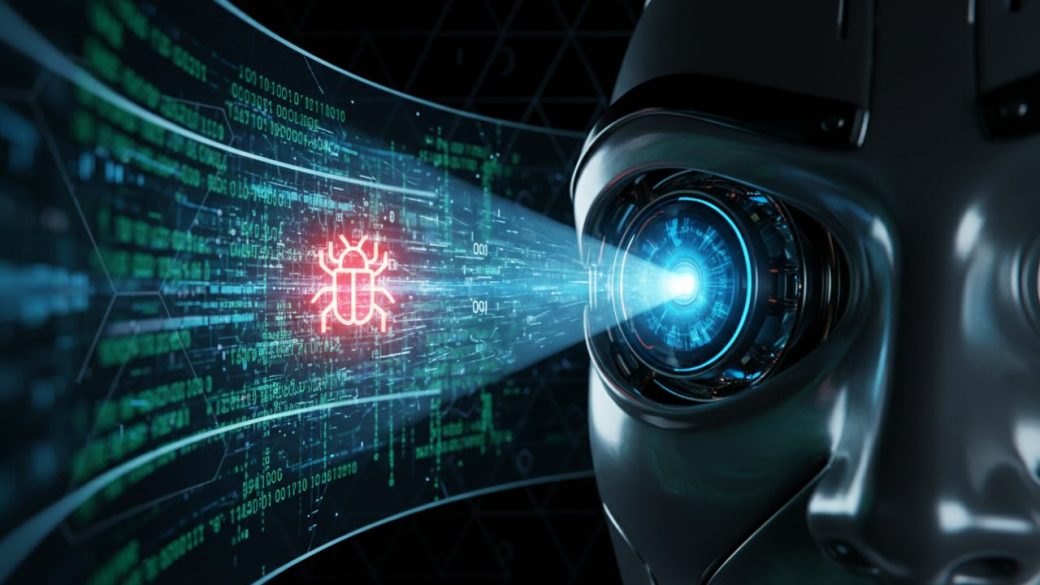
OpenAI Open-Source Bugs: AI Now Hunts and Fixes Code Flaws, Taking On Anthropic
OpenAI is the company that makes ChatGPT. It has started a big new project. The project is to find and fix safety problems in open-source software (free code that anyone can use and share). The idea is easy to say but hard to do. OpenAI wants to use AI to hunt for these open-source bugs. Then it wants the AI to fix them by itself. This puts OpenAI in a direct race with its rival, Anthropic. Anthropic is the company that makes the Claude AI.
Let us break this down in plain words. It matters for the whole internet. It matters a lot for India’s huge group of software builders too.
First, some simple words
Open-source software is free code that anyone can read, use, and share. Many apps and websites are built on top of it. Think of it as a shared toolbox that the whole world borrows from.
A security bug (also called a vulnerability) is a hidden mistake in that code. Hackers can use it to break in, steal data, or do harm. A patch is the fix that closes the hole. It is like sealing a crack in a wall.
An AI model is a computer program. It is trained on huge amounts of data so it can do smart tasks. New AI models can now read code and spot problems. Anthropic is OpenAI’s main rival here. It runs a similar bug-fixing project called “Mythos”.
What OpenAI is doing
OpenAI has started a full-scale push. The goal is to find security bugs in open-source software and fix them on their own. It does not wait for people to read every line. Instead, it points its AI at big piles of code. The AI scans the code, looks for weak spots, and suggests a fix.
This is a big step up from the old way. For years, finding bugs needed skilled people and a lot of time. AI can now do parts of that job much faster. It can read code that would take a human team weeks to check.
The goal is not just to point at problems. It is to fix them too. If the AI can write a working patch, the broken code gets safe sooner. That speed is the whole point.
Why open-source bugs are a big deal
Open-source code sits under a huge part of the internet. Banks, hospitals, phones, and apps all use it. So one bug in a popular piece of code can put millions of people at risk at once.
Here is the hard truth. Many open-source projects are run by small teams. Some are run by just one volunteer. They may not have the time or money to check every line for danger. That gap is exactly where hackers like to hunt.
This is why AI bug-hunting is so exciting. AI can scan this shared code on a huge scale and fix the holes. That could protect a big part of the digital world. It could also stop attacks before they ever start.
OpenAI vs Anthropic: the AI security race
OpenAI is not alone in this work. Its rival Anthropic runs a similar project called “Mythos”. It also uses AI to find and fix flaws in software. Now both companies are pushing hard. They want to show their AI can do real security work, not just chat.
This is part of a bigger fight between the two firms. Each one wants to prove its AI is the most useful and the most trusted. Security is a strong way to make that point. The result is easy to see: either the bug gets fixed, or it does not.
| Point | OpenAI | Anthropic |
|---|---|---|
| Best known for | ChatGPT | The Claude AI model |
| The effort | Full-scale push to find and patch open-source bugs | A similar effort called “Mythos” |
| Main idea | Use AI to scan code and fix flaws automatically | Use AI to find and fix software flaws |
| Why it matters | Proving AI can do real, useful security work | Proving AI can do real, useful security work |
Both projects share the same dream. They want AI that quietly keeps the internet safer. The race is about who gets there first, and who does it best.
Why it matters (especially for developers and India’s huge IT/dev base)
India has one of the largest groups of software builders in the world. Many of them use open-source code every single day. So safer open-source code means safer apps. That helps millions of Indian users and the teams who serve them.
For developers (the people who write software), this is good news and a wake-up call. AI tools that catch bugs can save time and stop costly mistakes. But they also change the job. Knowing how to work with AI bug-hunters may soon be a must-have skill, not a bonus.
There is a money angle too. The push to make AI smarter and faster is driving huge spending across the tech world. In fact, the AI arms race is also fuelling giant infrastructure spending, like Oracle’s. Security is just one part of a much bigger battle.
Quick FAQ
Q1. What are OpenAI open-source bugs, in simple terms?
They are hidden security mistakes in free, shared code. This code powers many apps. OpenAI is using AI to find these mistakes and fix them on its own.
Q2. How is this different from a normal AI chatbot?
A chatbot answers questions in words. This project points AI at real code. The AI hunts for weak spots and writes patches to close them.
Q3. What is Anthropic’s “Mythos”?
Mythos is the rival project from Anthropic, the maker of Claude. It also uses AI to find and fix software flaws. This puts it in a direct race with OpenAI.
The takeaway
OpenAI’s hunt for open-source bugs shows where AI is going next. It is moving from clever chat to real, hands-on work. This work protects the systems we all rely on. With Anthropic’s “Mythos” pushing right beside it, the race to make code safer is now in full swing.
For India’s developers and the wider tech world, the message is clear. AI is fast becoming a partner in keeping software safe. The companies that master it will help shape the future of the internet.
Source: Wired