📚 New to this topic? Read our full guide: Stock Market Basics for Beginners.
NSE IPO: India’s Biggest Stock Exchange Files for a Listing — and It Will List on Rival BSE
The NSE IPO is finally moving. The National Stock Exchange (NSE) is India’s biggest stock exchange. A stock exchange is a marketplace where people buy and sell shares of companies. After waiting for years, NSE has now filed its first official IPO paper. It gave this paper to SEBI, the government body that watches over the stock market.
An IPO (Initial Public Offering) is the first time a company sells its shares to the public. A share is a tiny piece of a company. This is a big moment for NSE. Most Indians buy and sell shares on NSE. Now NSE is getting ready to sell its own shares too.
But there is a twist. NSE is not allowed to list on itself. So it will sell its shares on its rival, the BSE.
What just happened
NSE filed its DRHP with SEBI on June 17. A DRHP (Draft Red Herring Prospectus) is a long, detailed paper a company hands in before an IPO. It tells you what the business does, who owns it, how much money it makes, and what could go wrong. Think of it as a big “read this before you invest” file.
The news website Financial Express read through the DRHP. It found that this is not a normal IPO. NSE will not raise even one rupee of new money for itself.
The whole sale is a 100% Offer for Sale, or OFS. In an OFS, the people who already own the shares sell them to the public. The company itself gets no money from it. So this IPO is just a way for the current owners to cash out. It is not a way for NSE to get fresh money.
The offer is for up to 14.89 crore shares. Each share has a face value of Rs 1. (Face value is the base price set on a share, not its market price.) The full size in rupees is not fixed yet. It will depend on the price band, which is set just before the IPO. A price band is the low-to-high price range at which people can bid for the shares. NSE has also kept up to 5% of its shares aside for its own eligible workers.
Why NSE cannot list on NSE
Here is the part that surprises many people. NSE runs one of the two big stock markets in India. But a stock exchange listing on its own platform is not fair. NSE would be both the referee and a player in the same game. It would have to watch over the trading of its own shares. This is called a conflict of interest, when someone is in charge of judging something they also gain from.
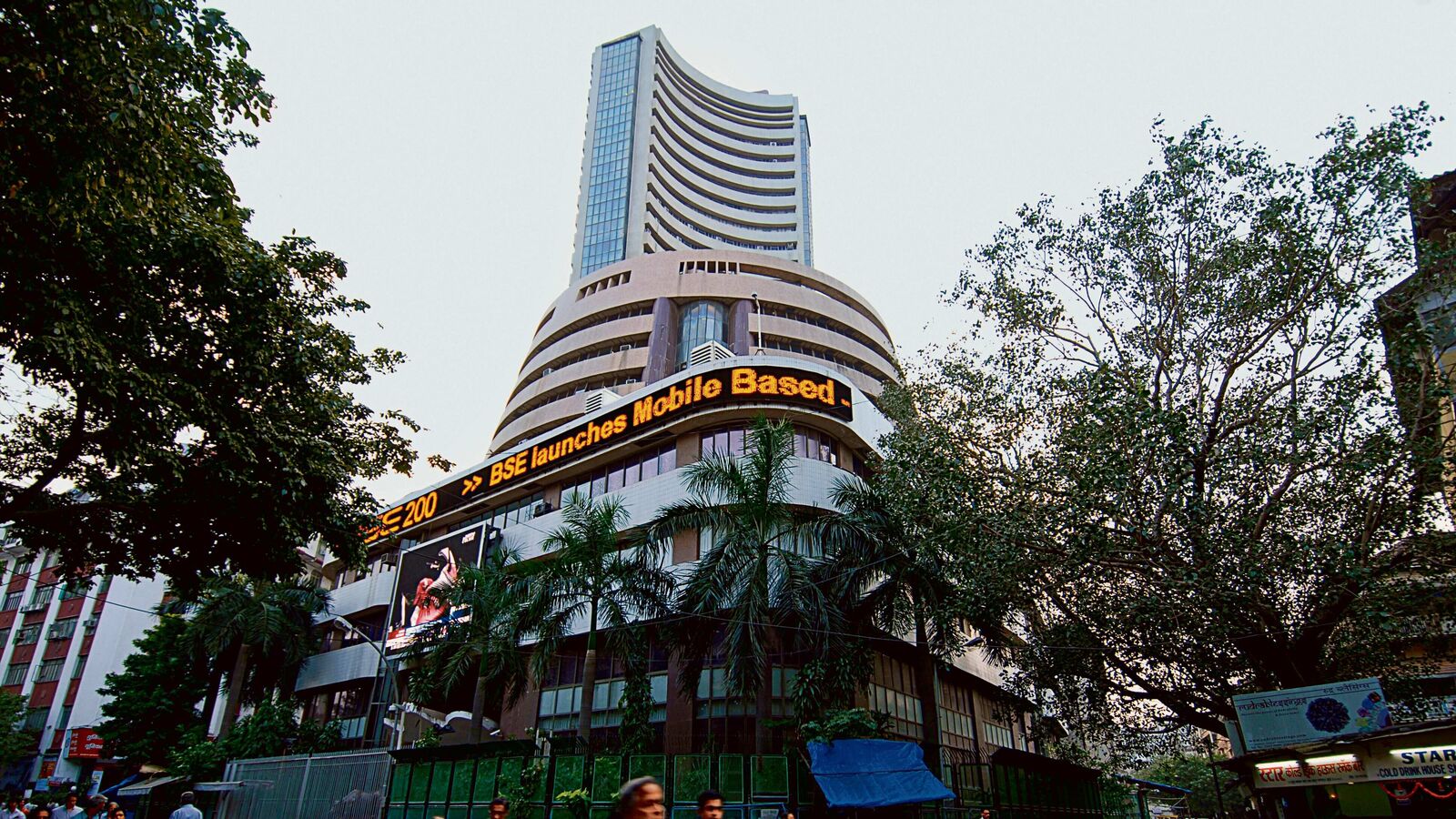
To stay fair, NSE will list its shares on the BSE (Bombay Stock Exchange). BSE is its main rival. So when you finally get to buy NSE shares, you will buy them on BSE. It is a rare case. One giant exchange becomes a listed company on the other.
| Key fact | Detail (per the DRHP / Financial Express) |
|---|---|
| What was filed | Draft IPO paper (DRHP) with SEBI on June 17 |
| Type of issue | 100% Offer for Sale (OFS) — no fresh shares, no new money for NSE |
| Shares on offer | Up to 14.89 crore equity shares (face value Rs 1 each) |
| Where it will list | BSE — because NSE cannot list on its own exchange |
| Employee quota | Up to 5% of post-offer capital reserved for eligible employees |
| Final issue size | To be decided after the price band is set |
Why this is a big deal
NSE is the backbone of India’s stock market. Most trades you see on the news happen on NSE. This includes the Nifty 50 (a list of 50 of India’s biggest companies) and other big firms. For years, normal people could not own a piece of this powerful business. This IPO could finally change that.
Because it is a 100% OFS, the buyers’ money goes to the sellers. It does not go to NSE. So the company will not get new cash to grow. But for retail investors, the bigger point is access. Retail investors are everyday people who invest small amounts of money. Owning NSE shares means owning a tiny slice of the engine that runs Indian share trading.
This is also part of a wave of huge Indian listings. Other big names are lining up too, like OYO’s parent filing for a Rs 6,650 crore IPO. The NSE filing adds the biggest and most-watched name to that list.
What to watch next
A DRHP is only the start. SEBI will read it and may ask questions. After that, NSE will set a price band, open the IPO so people can bid, and finally list on BSE. The exact dates and the size of the issue are still not fixed.
Investors will also study the “risk” part of the DRHP closely. Stock exchanges face court cases, tech-system problems, and strict rules. Reading these risks before you invest is exactly why the DRHP exists.
Why it matters (especially for India and founders)
For India, an NSE listing is a big milestone. It shows how strong and grown-up India’s money markets have become. For founders and business owners, it is a reminder that the IPO route is opening up for all kinds of companies — even the exchange itself. A strong, honest NSE listing can build trust in the whole market. It can also pull more savers into buying shares.
FAQ
Will NSE get new money from this IPO? No. It is a 100% Offer for Sale. The money goes to the existing owners who sell, not to NSE.
Where will NSE shares trade? On the BSE. NSE cannot list on its own platform because that would be a conflict of interest.
When does the IPO open? Not yet announced. The DRHP was filed on June 17. The dates and price band come later, after SEBI checks the paper.
The takeaway
The NSE IPO is one of the most awaited share listings in India’s history. It is fully an Offer for Sale. It will list on BSE. And it finally lets normal people own a piece of India’s biggest exchange. The price and timing are still to come. But the long wait is nearly over.
Source: Financial Express.