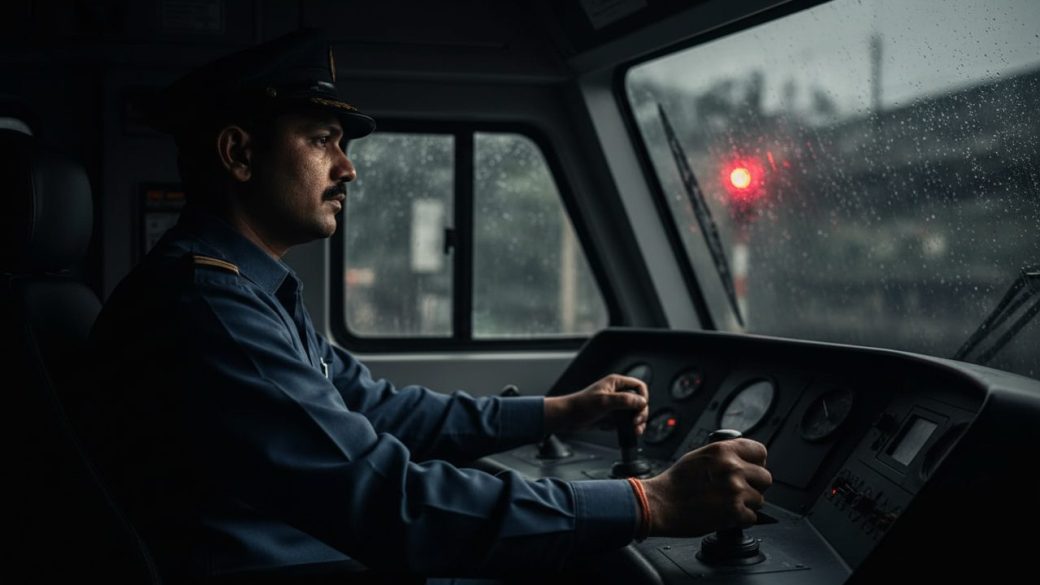
Loco Pilots to Skip Refresher Training? Safety Concerns Over Northern Railway Rule
A new Northern Railway rule could let some loco pilots skip refresher training, and it has sparked serious safety concerns. A loco pilot is the person who drives a train. Refresher training is the regular course where drivers update their skills, revise safety rules, and practise handling emergencies. On Indian Railways, this training is a key safety habit. Reports say the new rule on the Northern Railway zone may relax this requirement for some drivers, and railway staff bodies have raised the alarm.
This story explains what refresher training is, why the change worries safety experts, and what it could mean for passengers. The facts are kept simple so anyone can follow them.
What is refresher training for loco pilots?
Loco pilots do not just learn to drive once and stop. Their job changes with new signals, new routes, and new safety systems. To stay sharp, they go through refresher courses at regular intervals. As a rule, loco pilots attend a refresher course roughly once every three years and take part in safety camps. The course covers signalling, brake handling, and how to react when something goes wrong.
The training is taken seriously. If a loco pilot fails a refresher course twice, they can be removed from the running staff cadre. (“Running staff” means the crew who actually operate trains, like loco pilots and assistant loco pilots.) That tells you how central this training is to railway safety.
What the new Northern Railway rule changes
According to the report, the Northern Railway rule would allow some loco pilots to skip or shorten this refresher training under certain conditions. Northern Railway is one of the largest zones of Indian Railways, covering busy routes in north India. A rule like this affects a lot of drivers and a lot of daily train trips.
The aim behind such a move is usually practical. Refresher courses take drivers off active duty for a while. When there is a shortage of crew, training time can feel like a cost. So the rule may be an attempt to keep more drivers on the tracks. But critics argue this is the wrong place to cut corners.
Why safety experts are worried
Safety on the railways depends on alert, well-trained drivers. Two of the biggest risks in train operations are SPAD and fatigue. SPAD stands for “Signal Passed At Danger,” which is when a train crosses a stop signal it should not. Refresher training keeps drivers fresh on exactly these dangers. Skipping it, critics say, raises the chance of human error.
Railway staff associations have long pushed against shortcut methods in train operations. Bodies like the All India Loco Running Staff Association (AILRSA) work to educate drivers on safe working and to prevent unsafe practices. When a rule reduces training, these groups tend to object loudly, because their members are the ones in the driving cab. The worry over this rule fits a wider pattern of debate over railway working conditions, similar to earlier orders limiting back-to-back night duties for crew.
The balance: efficiency versus safety
Every railway must balance two things. One is running enough trains on time. The other is keeping every trip safe. Cutting training can help the first goal in the short term. But if it raises accident risk, the cost can be far higher. This is the heart of the concern over the Northern Railway rule.
Why it matters (especially for India and founders)
Indian Railways carries millions of people every single day. It is one of the world’s largest railway networks. Any change to how its drivers are trained touches public safety on a massive scale. That is why a single zone-level rule can become national news.
There is a lesson here for founders and managers too. Training is often the first budget people try to trim when they are short on time or staff. But in any safety-critical business, skipping training can backfire badly. The smarter path is to make training efficient, not to drop it. The same care over rules and penalties is playing out in other sectors, as seen in the tightened FCRA rules with higher penalties. Building strong, well-funded teams is also a recurring theme in stories like Menlo Ventures raising a fresh fund after its Anthropic bet.
FAQ
What is a loco pilot?
A loco pilot is a train driver on Indian Railways. They control the engine, follow signals, and are responsible for the safe movement of the train.
How often do loco pilots get refresher training?
As a general rule, loco pilots attend a refresher course about once every three years, along with safety camps. The training updates their skills and revises safety procedures.
Why is skipping refresher training risky?
Refresher training keeps drivers alert to risks like passing a stop signal (SPAD) and handling emergencies. Skipping it can raise the chance of human error and accidents.
Who is objecting to the rule?
Railway staff associations that represent loco pilots, such as the All India Loco Running Staff Association, typically raise safety concerns when training requirements are reduced.
The takeaway
The Northern Railway rule on refresher training has put safety and efficiency in direct conflict. Training keeps train drivers ready for the worst moments on the track. Letting some skip it may save time today, but it worries the very people who run the trains. On the railways, where one mistake can cost lives, training is not a luxury. It is the safety net that keeps everyone on board protected.