HaloBraid Raises $7M to End the Six-Hour Hair Salon Appointment
A startup called HaloBraid just raised $7 million to fix a long-standing problem. Hair braiding can take six to twelve hours in a salon. HaloBraid has built a robot that helps stylists braid much faster. The HaloBraid funding round was led by Seven Seven Six, the venture firm started by Alexis Ohanian. The goal is simple. Make braiding quicker for clients and easier on the hands of stylists.
This is a seed round. A seed round is the first big chunk of money a young startup raises to build its product and grow. Other backers in the round include AlleyCorp and Bling Capital. With this cash, HaloBraid plans to bring its device to market later in 2026.
The problem: braiding takes too long
Getting your hair braided is a big time commitment. A single appointment can run from six to twelve hours. That is a full day in the chair. It is hard on the client, who must sit still for hours. It is also hard on the stylist, who works with their hands the whole time.
The scale of this is huge. The company estimates that about 8 billion hours are spent braiding hair every year. In a survey of 2,000 people, 95% said they would get braids more often if the appointment took less time. So there is clear demand for a faster way.
How the HaloBraid device works
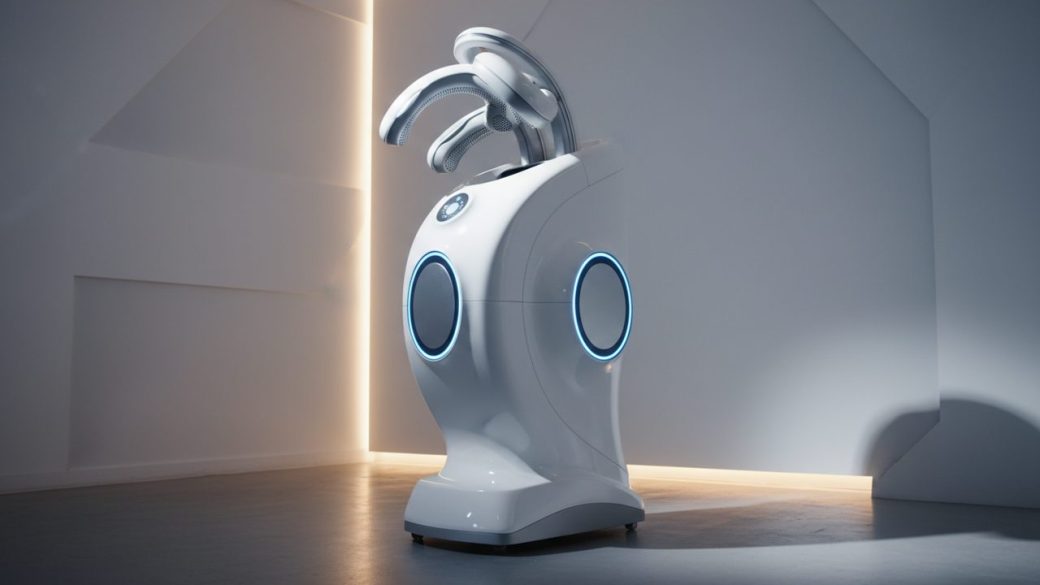
HaloBraid is not a robot that replaces the stylist. It is a braiding assistant. The stylist starts the braid by hand. Then they hand it over to the HaloBraid device. The machine finishes that braid in seconds. The stylist stays in charge of the look and quality.
The device works on popular styles like knotless braids and box braids. These styles take many small, repeated braids, which is why they eat up so many hours. By speeding up the repetitive part, HaloBraid aims to cut the long appointment time sharply.
Better for stylists’ health too
There is a health angle here as well. Braiding for hours can cause real pain for stylists. Many face problems like carpal tunnel and arthritis from the repeated hand motion. Carpal tunnel is a painful wrist condition caused by overuse. By taking over the repetitive braiding, the device can ease this strain on workers.
| Item | Detail |
|---|---|
| Amount raised | $7 million |
| Round type | Seed |
| Lead investor | Seven Seven Six (Alexis Ohanian) |
| Other investors | AlleyCorp, Bling Capital |
| Founder | Yinka Ogunbiyi |
| Product | Robotic braiding assistant for stylists |
| Styles supported | Knotless braids, box braids |
| Typical appointment today | 6 to 12 hours |
| Hours spent braiding yearly | About 8 billion (estimate) |
| Survey result | 95% of 2,000 people would braid more often if faster |
| Launch | Later in 2026 |
| Team size | About 15 people |
Who is behind HaloBraid
HaloBraid was founded by Yinka Ogunbiyi. She has a strong background in building products. She holds a master’s degree in engineering from Harvard and an MBA. She also founded a smart cooking appliance company before this. So she has done the hard work of turning an idea into a real device once already.
The team is still small, with about 15 people. Lead investor Alexis Ohanian, who co-founded Reddit, knows the problem first-hand as a parent. As he put it, “My oldest daughter loves the ritual for the first few hours, but by hour nine, everyone’s ready to call it a night.”
FAQ
Does HaloBraid replace hair stylists?
No. HaloBraid is an assistant, not a replacement. The stylist starts each braid, then the device finishes it in seconds. The stylist stays in control of the style and quality.
How much did HaloBraid raise and from whom?
HaloBraid raised $7 million in a seed round. It was led by Seven Seven Six, the firm founded by Alexis Ohanian. AlleyCorp and Bling Capital also took part.
When will the device be available?
HaloBraid plans to launch its device later in 2026. The new funding will help the small team finish the product and bring it to salons.
Why it matters (especially for India / founders)
HaloBraid is a great example for founders. It takes a common, painful problem and solves it with smart hardware. It does not try to remove the human worker. Instead, it makes the worker faster and healthier. That balance is often the key to winning over an industry. For Indian founders, the lesson is to look at everyday services that waste time. Salons, clinics, and repair shops are full of slow, repeated tasks. A simple tool that saves hours can build a big business. This idea of rethinking how people work and hire also runs through our story on Fika Jobs raising money to build video-first hiring.
The takeaway
HaloBraid’s $7 million seed round backs a clear, useful idea. Braiding takes too long and hurts stylists’ hands. HaloBraid’s robot helps finish braids in seconds while keeping the stylist in charge. With strong backers like Seven Seven Six and a launch set for later in 2026, this startup could reshape a daily ritual for millions of people. Founders elsewhere should note how funding flows to clear problems, just as rules around money and giving are tightening in our piece on foreign funding rules tightened for NGOs with higher penalties.