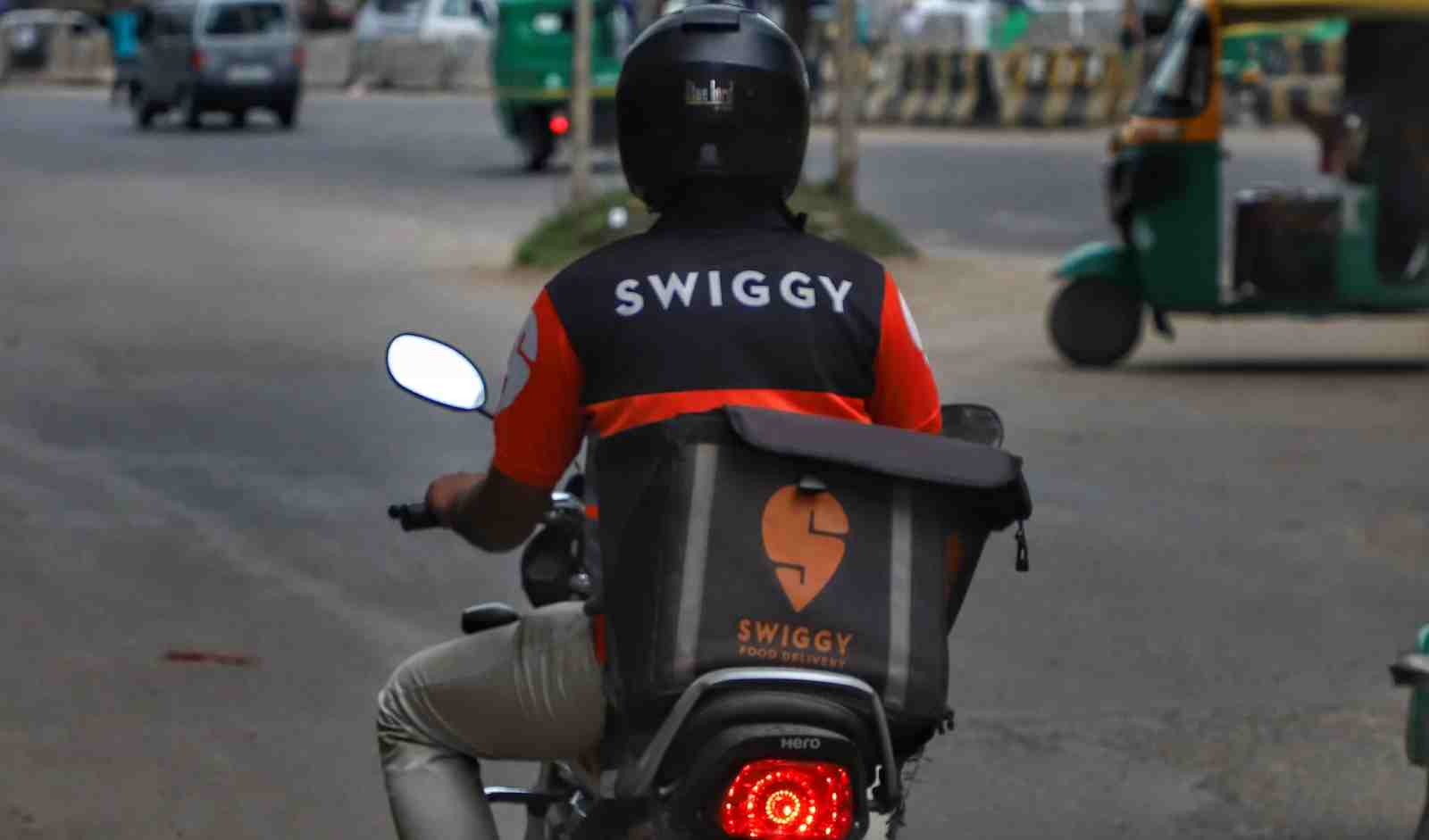
The Karnataka gig worker law is a new state rule for app-based workers like delivery riders. It means platforms may have to pay into a welfare fund for those workers. Now Swiggy, Zepto and other firms are in court because they say the state moved too fast and went beyond its powers.
Key takeaways
- Karnataka wants app companies to help fund benefits for gig workers.
- Several platforms have challenged the law in court.
- The big fight is about fees, state powers, and how the rules will work.
- The case matters because millions of Indians now earn through apps.
What is the Karnataka gig worker law?
The Karnataka gig worker law aims to give basic support to people who work through apps. These workers include food delivery riders, grocery runners, and drivers. A welfare fund is a pool of money used to support workers in need.
The state wants platforms to contribute to that fund. It may also require registration, records, and a way to handle complaints. That sounds dry, but it affects real lives because many riders have no paid leave, health cover, or job security.
Gig work means short jobs given through an app. The worker is usually not treated like a full employee. So the state says a special law is needed to cover gaps that normal labour laws miss.
Why are Swiggy, Zepto and others challenging the Karnataka gig worker law?
The companies are not saying workers need no help. Their main argument is about how the Karnataka gig worker law was framed and who gets to make such rules. They say the law can raise costs, create confusion, and overlap with central laws.
A petition is a formal request made to a court. The platforms have used petitions to ask the court to review the law. They argue the state may have acted beyond its legal lane, while also imposing charges that could hit business models built on thin margins.
Margins are the money left after costs. In quick commerce and food delivery, margins can be very small. Even a fee of a few rupees per order can add up when an app handles lakhs of orders.
That is why this fight matters. If a platform processes 1 lakh orders a day, even ₹5 per order becomes ₹5 lakh daily. Over 30 days, that reaches ₹1.5 crore.
What does Karnataka want platforms to pay for?
The state is trying to build a welfare system for a fast-growing kind of work. That can include accident support, health help, and maybe old-age benefits later. The exact mix depends on the final rules and how the fund is managed.
Many gig workers use their own bikes and phones. They also pay for fuel, repairs, and mobile data. So a single crash or illness can wipe out a week or even a month of earnings.
India’s gig economy has grown quickly over the last few years. A NITI Aayog report projected 23.5 million gig workers by 2029-30. That is 2.35 crore people, or roughly the population of a large country.
Gig work in India: key numbers23.5 million projected by 2029-30₹5 per order example fee₹1.5 crore a month at 1 lakh orders/day
Why does this case matter beyond Karnataka?
This is bigger than one state. If Karnataka succeeds, other states may try similar laws. If the companies win, states may need to rewrite their plans or wait for Parliament to act.
Parliament is India’s national lawmaking body. A central law applies across the country. Companies often prefer one national framework because it is simpler than following different rules in every state.
But workers and labour groups say waiting can take years. Meanwhile, people are riding in traffic, lifting heavy bags, and facing accidents now. So they want quicker action, even if it starts state by state.
This debate also connects with a larger shift in India’s consumer economy. Fast delivery is growing, but so is pressure on costs, as seen in our coverage of the disappearing ₹15,000 smartphone segment and policy fights around new business models.
What are the companies worried about in practice?
The first worry is cost. If each order carries a welfare charge, companies may pay more, customers may pay more, or workers may see changes in incentives. An incentive is a bonus paid for doing more trips or hitting targets.
The second worry is compliance. Compliance means following official rules and paperwork. Apps may need to track workers, order values, fund payments, and dispute records in a standard format.
The third worry is legal precedent. Precedent means a court decision that can shape future cases. If the court backs the state strongly, more sectors in platform work could face similar welfare levies.
| Issue | What Karnataka says | What platforms say |
|---|---|---|
| Worker welfare fund | Needed for basic social protection | Raises costs and may lack clarity |
| State power | State can protect local workers | May overlap with central rules |
| Implementation | Rules can be worked out over time | Process was too rushed |
What do gig workers stand to gain or lose?
If the Karnataka gig worker law survives, workers could get a clearer safety net. A safety net means backup support when income stops suddenly. That could matter after an accident, a medical emergency, or wrongful account suspension.
Suspension means the app blocks a worker from getting jobs. For many riders, that is like losing access to a shop’s front door. Income can drop to zero in a day.
But there is a catch. If costs rise sharply, platforms may cut bonuses, tighten hiring, or slow expansion. So the best outcome for workers is not just a law, but a law that is fair, clear, and workable.
This is not the first time tech platforms have run into rule-making pressure. We have also seen warning signs in areas like enterprise AI security gaps and questions over how digital systems are governed at scale.
What happens next in court?
The court will first look at whether the petitions deserve interim relief. Interim relief is a temporary court order while the full case continues. For example, a judge can pause parts of a law for now.
Then the bigger questions come. Did Karnataka follow the right process? Does the state have the legal power to impose this framework? And are the payment rules clear enough to enforce?
Readers who want the legal text and policy trail can check the Karnataka Labour Department and broader gig-work estimates from NITI Aayog. Those sources help separate the courtroom noise from the actual policy design.
The core issue is simple: Karnataka wants app companies to help pay for worker protection, while the companies say the state cannot impose that burden this way.
That one line explains why this story matters. It is really a fight over who pays for the speed and convenience people now expect. And whatever the court decides could shape app work far beyond Bengaluru.
FAQs
What is the Karnataka gig worker law?
It is a state law meant to create welfare support for app-based workers such as delivery riders and drivers.
Why are companies challenging it?
They say the law may raise costs, create legal overlap, and go beyond what a state should regulate.
Who could be affected by the court ruling?
Gig workers, delivery apps, customers, and other states planning similar worker welfare laws could all be affected.