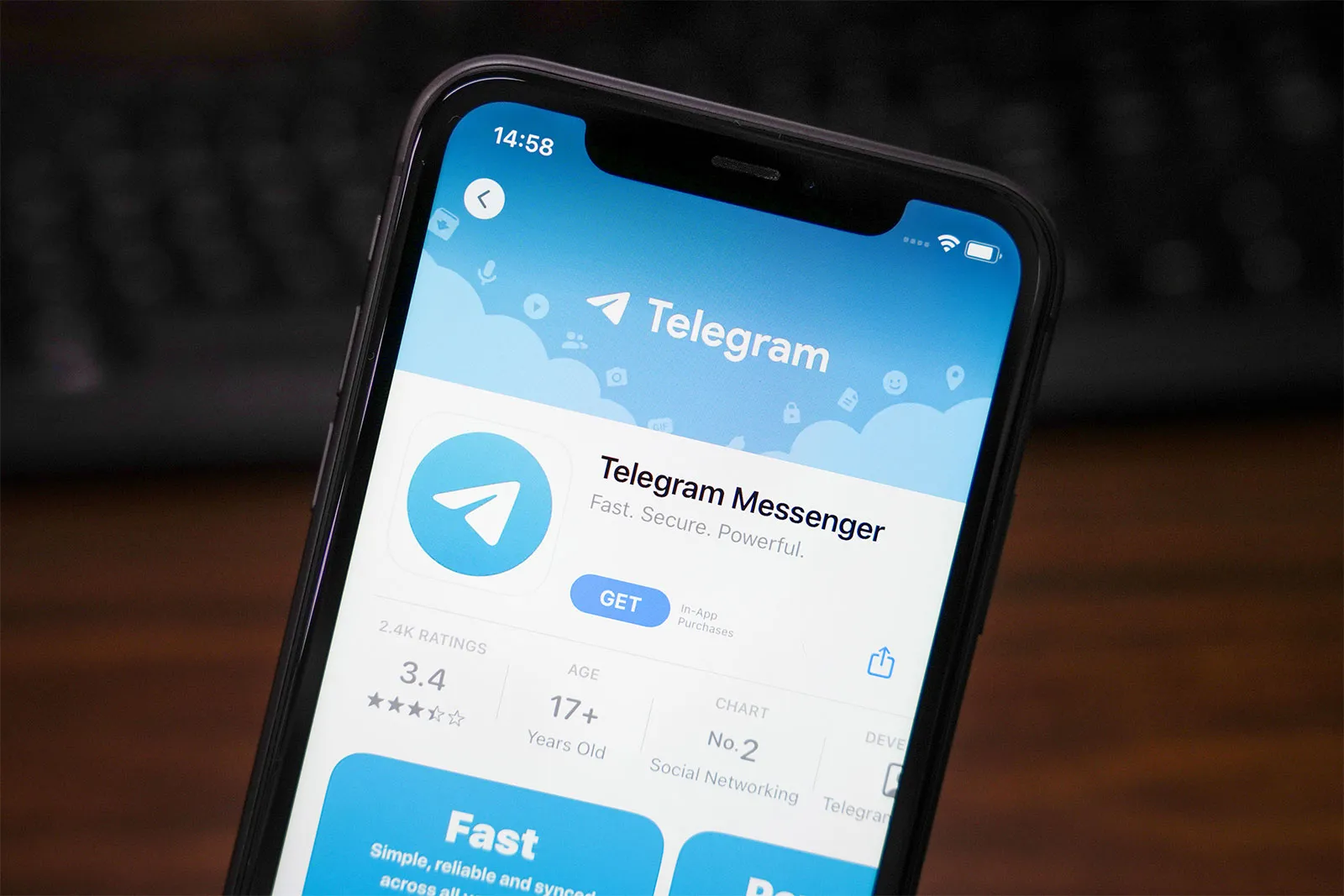
The tag is official. In a high-stakes legal submission before the Delhi High Court, the Union Government stated that the messaging platform Telegram has evolved into the “new dark web.”
The sharp characterization was presented by the Ministry of Electronics and Information Technology (MeitY) and Solicitor General Tushar Mehta to defend the government’s recent emergency order under Section 69A of the IT Act, 2000, which temporarily blocked access to Telegram across India ahead of the high-stakes NEET-UG 2026 re-examination.
The Delhi High Court upheld the temporary restriction, validating the government’s proactive security measures.
1. Why the Govt Equated Telegram to the Dark Web
The government’s position relies heavily on comprehensive reports from the Indian Cyber Crime Coordination Centre (I4C), operating under the Ministry of Home Affairs. According to the Centre’s official affidavit, threat actors are aggressively weaponizing the unique design features of the platform:
- The Bridge to Illicit Forums: Cybercriminals have rapidly adopted Telegram to seamlessly broadcast deep web links and redirect users straight to hidden dark web forums. This hybrid distribution layer makes tracking, attribution, and real-identity verification incredibly difficult for local cyber units.
- The Scale of Bot Multiplication: Unlike platforms like WhatsApp that place strict restrictions on automation, Telegram allows a single user account to create up to 40 individual automated bots. If authorities take down one bot, malicious actors instantly spawn duplicates under fresh identifiers.
- Mule Account Marketplaces: The platform has transformed into a massive, decentralized clearing house for renting and selling “mule” bank accounts, leaked corporate data sets, UPI handles, and localized cryptocurrency conversion channels utilized to launder stolen funds.
- Manipulating Evidence via Message Editing: Bad actors routinely exploit Telegram’s message-editing functionality. Organized paper leak syndicates have been caught uploading altered or fake exam questions into existing, older message chains after an exam concludes, retroactively making it appear as if a leak occurred beforehand to stoke mass public panic and misinformation.
[Hidden User Identifiers] ──┐
[40 Automated Bots/User] ──┼──► High Anonymity Architecture ──► Exploited by Paper Leak Syndicates
[Deep Web Links to Forums] ─┘
2. The Exploding Cybercrime Ledger
To validate the severity of its emergency block, the government presented a dramatic, multi-year spike in verified cyberfraud complaints routed directly through the National Cyber Crime Reporting Portal:
| Metric Vector | Calendar Year 2023 | Calendar Year 2025 | Current 2026 Run-Rate |
| Telegram-Linked Financial Scams | 75,688 complaints | 2.75 lakh complaints | Exceeded 88,000 complaints in the first five months alone. |
| Quantifiable Monetized Fraud | Baseline Asset Risk | Over ₹3,000 crore lost | Pushing toward fresh record highs prior to the platform restriction. |
3. Targeted Intervention over a Blanket Ban
While the term “new dark web” sounds like an ultimate regulatory death sentence, the Union Government clarified a crucial distinction in its long-term policy stance: it does not support a permanent, blanket ban on Telegram.
The Government’s Balanced Stance: The Ministry emphasized that a permanent shutdown would be entirely disproportionate, unfairly hurting the millions of innocent students, creators, and legitimate digital businesses that rely on the platform daily. Instead, the government wants to use the IT Rules, 2021 to force compliance, demanding that Telegram redesign features like mass bot multiplication and step up content moderation to cooperate effectively with Indian law enforcement.