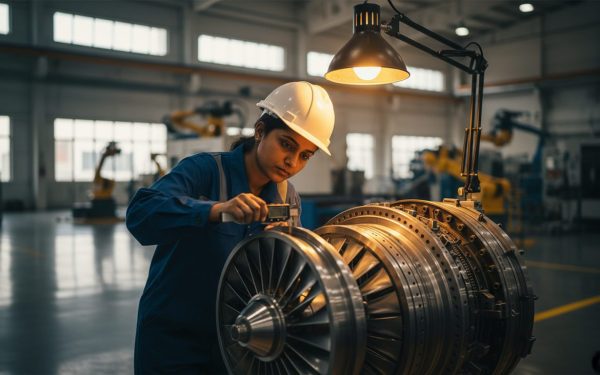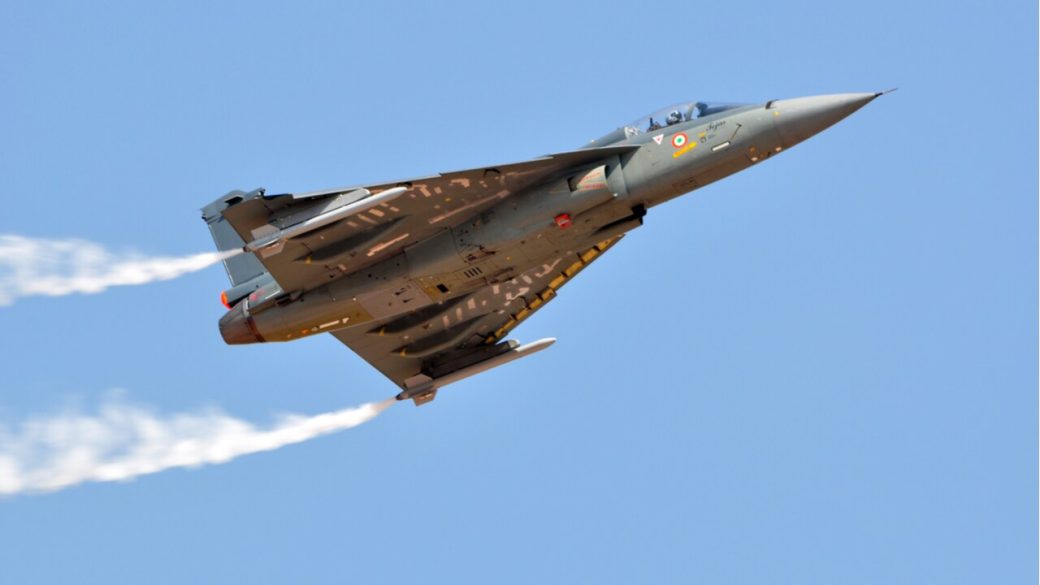
India says fighter jet engine tech is moving forward after a private company announced a new breakthrough. Fighter jet engine tech means the science and parts needed to build the powerful engines that push combat aircraft through the sky. This matters because jet engines are among the hardest machines on Earth to make. If India can build more of them at home, it may rely less on foreign suppliers.
Key takeaways
- A private Indian firm says it has made progress in indigenous fighter engine technology.
- Jet engines are a weak spot in India’s defence supply chain because they need extreme heat control and precision parts.
- The news fits a wider Atmanirbhar Bharat push to build key defence systems inside India.
- Real success will depend on testing, certification, and production, not just a lab milestone.
What happened in fighter jet engine tech?
A private Indian aerospace company has announced a breakthrough linked to fighter jet engine tech. Public details are still limited, so that word matters: limited. The company says it has advanced indigenous engine capability, but it has not yet shown a full operational engine powering a fighter jet.
That may sound small, but it isn’t. Jet engines use very hot gases to create thrust. Thrust is the force that pushes an aircraft forward. For a fighter plane, that engine must work at high speed, high heat, and often under combat stress.
India has chased home-grown military engine capability for decades because imported engines can create delays and dependence. If a foreign partner slows supply, repairs and upgrades can also slow. As a result, even a partial gain in fighter jet engine tech gets attention fast.
Why are fighter jet engines so hard to build?
A modern fighter engine is not just a big metal tube. It is a stack of blades, discs, compressors, turbines, sensors, and heat-proof materials. The hottest parts can face temperatures above 1,500 degrees Celsius. That is hotter than many lava flows people picture in school books.
Engine makers must also master metallurgy. Metallurgy means the science of making and shaping metals. In jet engines, tiny flaws can cause failure, so each part needs extreme precision.
Then comes testing. Engineers test vibration, heat, fuel use, and how long the engine lasts. A single engine program can take years and cost billions of dollars worldwide, which is why only a few countries truly lead in fighter jet engine tech.
For example, the United States, United Kingdom, France, and Russia built this know-how over many decades. China has made progress too, but even it spent years trying to catch up in advanced aero-engines. That shows how steep the climb is for India.
Why does this matter for Atmanirbhar Bharat?
Atmanirbhar Bharat means building more critical goods in India, especially in sectors tied to national security. Defence is a big part of that plan because wars and global tensions can choke imports. An engine is one of the most sensitive imported items in military aviation.
If India improves fighter jet engine tech, it could gain more control over costs, repairs, and upgrades. It could also help Indian aircraft programs move faster. That includes future combat aircraft as well as drones and other aerospace systems.
This news also follows other private-sector gains in space and advanced engineering. Skyroot’s recent progress showed that young Indian firms can handle tough aerospace work. We covered that shift in our report on Skyroot’s launch plans.
India is also trying to strengthen other strategic supply chains. You can see that in sectors from fuel to finance, like India’s ethanol cooking fuel plan and tighter banking checks in this RBI compliance move. These are different fields, but the idea is similar: reduce weak links.
What do we know, and what is still missing?
Right now, the biggest gap is proof at scale. A breakthrough in design, materials, or a core engine section is useful, but it is not the same as a flight-ready product. A core engine is the main heart of the engine. It includes the compressor, combustor, and turbine.
So the next questions are simple. Has the company tested the technology on the ground? How many hours did it run? Can it survive repeat cycles of heating and cooling? Those answers will decide whether this is a solid milestone or just an early claim.
Certification matters too. Certification means official approval after tests and safety checks. In military aviation, that path can be long because failure is not an option.
Fighter jet engine path: from claim to combat useDesignCore testGround runFlight testService12345
How does India compare right now?
India has strong skills in software, missiles, and space systems, but engines remain a tough gap. That gap has affected aircraft programs for years. Imported engines can work well, but they can also bring license limits, spare-part risks, and higher costs.
One way to view fighter jet engine tech is as a ladder. India has climbed several rungs in aerospace, but the engine rung is one of the steepest. In fact, many experts call the aero-engine the crown jewel of military aviation.
| Area | India’s position | Why it matters |
|---|---|---|
| Rocket launches | Fast-growing private capability | Shows complex aerospace work is possible |
| Airframes | Established but still evolving | Airframe means the body of the aircraft |
| Jet engines | Still developing | Hardest part to localise at scale |
| Testing and certification | Critical next step | Turns lab work into usable systems |
The broader global market shows why this is serious business. Military aircraft engine programs often run for 20 to 30 years. Some engines produce tens of thousands of pounds of thrust. Thrust is measured in pounds-force or newtons, and more thrust helps a fighter move faster and carry more load.
What could happen next in fighter jet engine tech?
The best-case path is clear. The company would share more data, finish successful ground tests, and move toward integration with an aircraft platform. Integration means fitting one system into another so both work together.
But there are real hurdles. Heat-resistant alloys are costly. Alloys are mixes of metals made for strength or heat performance. Supply chains, testing rigs, and funding must all keep pace.
Still, this is why the news matters now. India does not need a miracle overnight. It needs steady gains in fighter jet engine tech, backed by proof, policy support, and patient money.
For readers who want the original official-style reporting trail, see the Economic Times report. For wider defence manufacturing policy, the Ministry of Defence offers updates at mod.gov.in.
Here is the simplest way to say it: India’s new claim in fighter jet engine tech is promising, but the real test starts now. A breakthrough counts only if it survives testing, wins approval, and eventually flies.
FAQs
What is fighter jet engine tech?
Fighter jet engine tech is the knowledge and hardware used to build engines for combat aircraft. It includes heat control, metal science, blades, turbines, fuel systems, and testing.
Why can’t India just buy engines from abroad?
It can, and it often does. But imports can cost more and create delays, especially during global tensions. Local capability gives India more control.
When will an Indian private fighter engine fly?
There is no confirmed date yet. First, the company must show strong test results, then pass certification and aircraft integration steps.
Get the day’s top stories in your inbox
One concise email. No spam, unsubscribe anytime.