Key takeaways
- The GLP-1 opportunity is the chance for Indian drugmakers to sell more obesity and diabetes medicines at home.
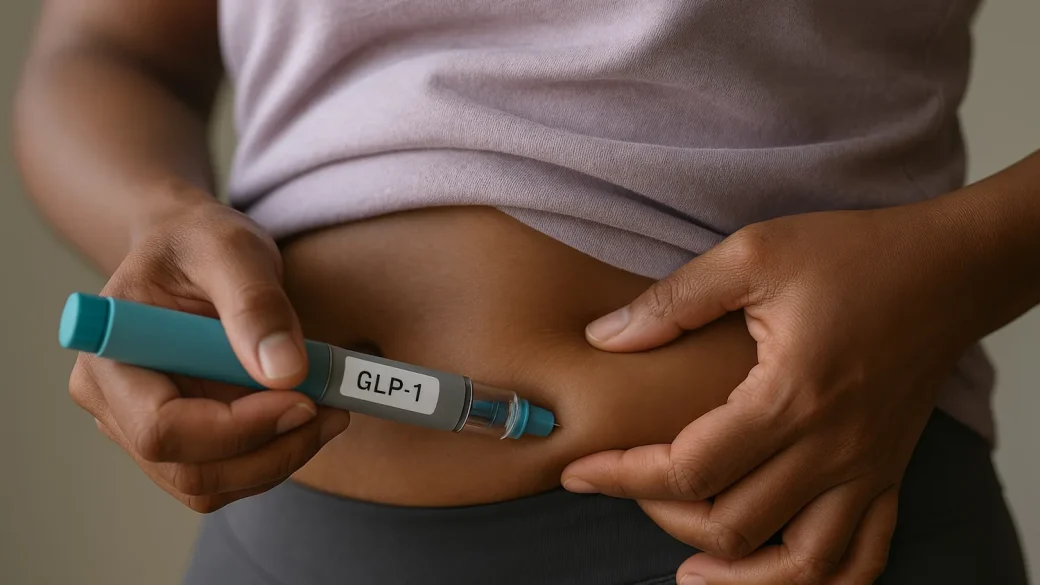
- GLP-1 is a class of drugs that helps control blood sugar and can also help people lose weight.
- Big gains may take time because patents, prices, and factory capacity still matter a lot.
- Indian firms could benefit first from related products, copy versions after patent expiry, and local demand growth.
The GLP-1 opportunity is the business chance around a hot new group of diabetes and weight-loss drugs. These medicines copy a gut hormone signal that helps people feel full and manage blood sugar. For Indian pharma, that could mean stronger sales at home. But the road won’t be quick or easy.
Right now, drugs like Novo Nordisk’s Wegovy and Ozempic, and Eli Lilly’s Mounjaro, have made this market huge. Analysts already count global sales in the tens of billions of dollars. India matters because it has one of the world’s largest diabetes populations, so even a small rise in use can create a big market.
Why is the GLP-1 opportunity getting so much attention?
GLP-1 drugs are in demand because they treat two major health problems at once. They help lower blood sugar in diabetes, and they can also support weight loss. That double use is a big reason investors keep watching this GLP-1 opportunity.
GLP-1 stands for glucagon-like peptide-1. That’s a natural hormone signal in the body. These drugs mimic that signal, so people feel less hungry and their blood sugar stays steadier.
The numbers are striking. India had about 101 million adults living with diabetes in 2021, according to the International Diabetes Federation. The World Obesity Federation has also warned that obesity is rising fast, which means the patient pool could get even larger.
Why the GLP-1 opportunity looks bigIndia diabetes101mGlobal GLP-1~$20bn+101m$20bn+
Global sales estimates vary, but many forecasts put the GLP-1 market above $20 billion already. Some long-range estimates go much higher. In simple terms, this is no niche corner of medicine. It’s one of the hottest drug markets in the world.
How could Indian pharma use the GLP-1 opportunity?
Indian drugmakers may not lead this market today, but they don’t need to start at the top to benefit. They can begin with ingredients, contract manufacturing, local launches after patent cliffs, and related diabetes care. A patent cliff means legal protection on a drug ends, so copy versions can enter later.
Companies in India are good at making generic drugs. Generics are lower-cost copy versions sold after patents expire. That matters because the biggest profit wave for local firms may come once key protections on some GLP-1 products weaken in certain markets.
There is also a domestic angle. Imported brand-name obesity drugs can be very expensive for most Indian families. So a lower-cost local option could open demand much wider, especially in big cities where diabetes and obesity rates are climbing.
Some Indian companies have already been building pieces around this theme. They are working on diabetes products, active ingredients, or complex injectables. Injectables are medicines given by shot. That know-how could help them move faster if the GLP-1 opportunity expands.
What is stopping the GLP-1 opportunity from turning into quick sales?
The first hurdle is patents. A patent gives a company temporary legal control over an invention. If patents still protect key drugs, Indian firms can’t simply launch copy products in many markets.
The second hurdle is manufacturing. These medicines are not simple tablets. Many GLP-1 products are injections, so plants need tight quality control, sterile production, and reliable cold-chain delivery.
Then comes price. Even if Indian firms enter, they must balance lower prices with profit. That’s hard because these drugs can be costly to make, and patients may need them for months or years.
Doctors and insurers also matter. Insurers pay some medical bills in many markets, but coverage for obesity drugs is often limited. In India, where many people pay from their own pocket, adoption may stay slower unless prices fall a lot.
| Factor | Why it matters | What it means for India |
|---|---|---|
| Patents | Block copy launches | Delays big generic sales |
| Factories | Shots need advanced plants | Only some firms are ready |
| Prices | Drugs can be expensive | Lower-cost versions could unlock demand |
| Demand | Diabetes is widespread | Large long-term market at home |
Why does the home market matter more this time?
India has long been known as a global generic supplier. But this GLP-1 opportunity is also about local demand, not just exports. That’s a shift worth watching.
More people in India now live with lifestyle diseases. That means illnesses linked to daily habits, food, stress, and low activity. As a result, companies may see a stronger business case for launching newer chronic-care drugs at home.
Urban patients are also more aware of weight management than before. Social media has helped spread knowledge, but also hype. So doctors will likely play a bigger role in deciding who truly needs these medicines and who does not.
For a wider health-business picture, you can also read our coverage of India’s top pharma executive pay. It shows how large and competitive the sector has become.
Could this change the race among Indian drug companies?
Yes, but not all firms will gain in the same way. Companies with strong diabetes portfolios, injectable expertise, and export compliance may have an edge. Export compliance means meeting foreign quality rules.
Smaller firms may still benefit through supply deals. For example, they could make ingredients or parts of the production process for larger players. Meanwhile, bigger firms may chase partnerships, licensing, or early research bets.
Investors often get excited too fast around trendy medicines. We’ve seen that in other sectors as well, where a big headline does not always turn into quick profit. The real winners are usually the firms with patient spending power, strong science, and factories that can scale.
If you want another example of how policy and markets shape business outcomes, see our reports on why the rupee is near a record low and India’s FY27 growth outlook. Both show how big trends can help some companies while squeezing others.
What should readers watch next in the GLP-1 opportunity?
Watch four things. First, follow patent timelines on leading drugs. Second, look for Indian company updates on injectables and active ingredients. Third, track launch prices if new products enter. Fourth, see whether doctors and regulators widen access.
Two useful primary sources are the International Diabetes Federation for disease data and the World Health Organization for obesity and diabetes guidance. Those sources help separate facts from market hype.
Here’s the clearest way to say it: the GLP-1 opportunity could become a real boost for Indian pharma because India has huge diabetes demand and strong drugmaking skills. But that boost depends on patents ending, prices becoming affordable, and firms building enough high-quality supply.
FAQs
What is the GLP-1 opportunity?
The GLP-1 opportunity is the business chance tied to popular diabetes and weight-loss drugs. Indian companies could gain through local sales, ingredients, and later generic launches.
Why are GLP-1 drugs such a big deal?
They can help with blood sugar and weight at the same time. That makes them useful for many patients and very valuable for drug companies.
When could Indian companies benefit more?
The biggest gains may come over time, not overnight. Firms could benefit more after patent barriers ease and lower-cost versions become possible.
Get the day’s top stories in your inbox
One concise email. No spam, unsubscribe anytime.