Key takeaways
- The EU says it wants real progress from China by October.
- The main fights are over trade gaps, tariffs, and access to each side’s markets.
- Brussels says talks must bring results, not just polite meetings.
- The next big checkpoint is the EU-China leaders’ summit later this year.
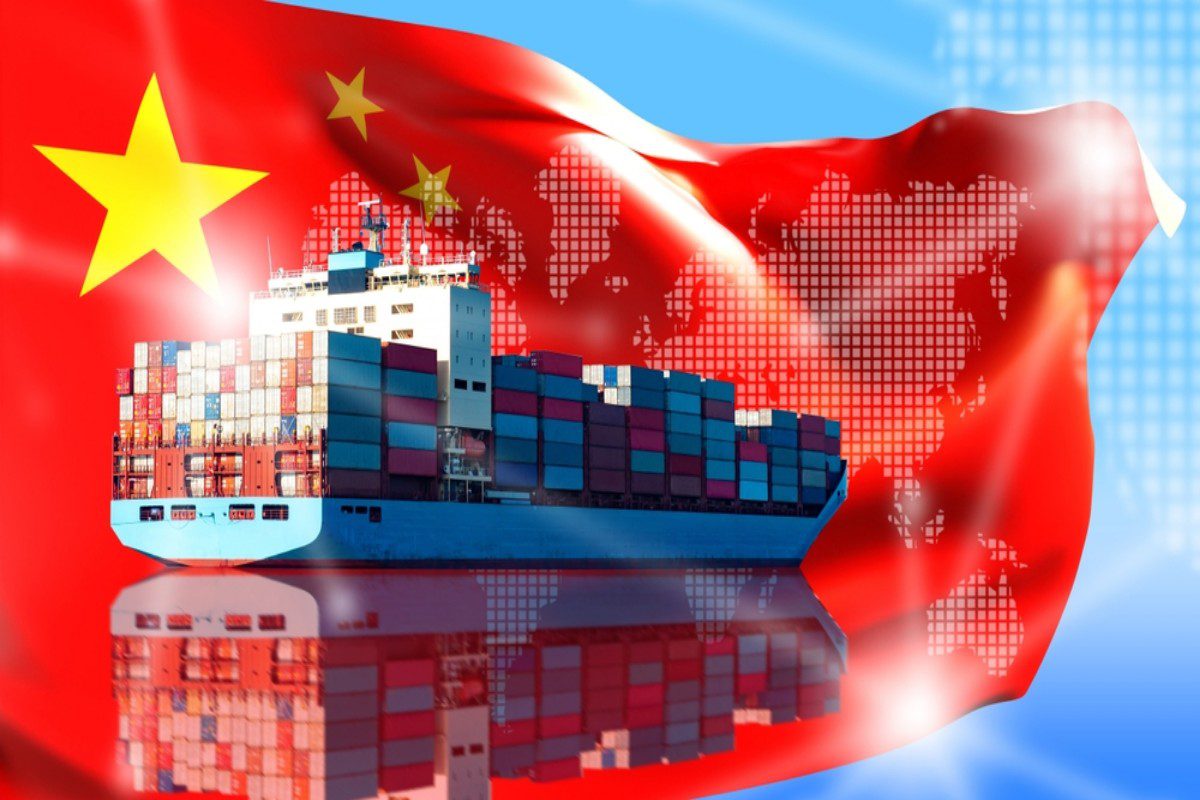
EU China trade talks are the meetings where Europe and China try to fix trade problems. Right now, those problems are big. The EU says China must show real change by October. If not, the relationship could get rougher.
That matters because the European Union and China are two of the world’s biggest trading powers. When they argue, carmakers, chip firms, factories, and shoppers can all feel it. In simple terms, both sides sell huge amounts to each other, but the EU says the balance is badly off and the rules are not fair enough.
Why did the EU set an October deadline in the EU China trade talks?
EU officials used recent high-level meetings to send a clear message. They said they want “tangible results” by October. That means visible progress, not vague promises. Brussels appears to be aiming for movement before the next top-level EU-China summit.
The EU’s complaint is not just about one product. It says the trade relationship has become too one-sided. A trade imbalance means one side buys far more than it sells. The EU says its deficit with China has grown to around €300 billion, which is a very large gap.
That number matters because it shows the scale of the problem in a simple way. Imagine two kids trading lunch items every day. One keeps giving away five sandwiches and gets back only one juice box. After a while, that starts to feel unfair.
Brussels also says many European firms still face barriers in China. A barrier is something that makes selling or investing harder. For example, rules, permits, subsidies, or slow approvals can all act like barriers. The EU wants better market access, which means a fair chance to enter and compete.
What is the EU actually unhappy about?
The biggest issue is that Europe says Chinese companies often enjoy stronger state backing. A subsidy is state help, often through cheap loans, tax cuts, or support payments. The EU argues that this can make Chinese goods cheaper in ways private rivals cannot match.
Electric vehicles are one flashpoint. The EU has already moved on tariffs for Chinese-made EVs after an anti-subsidy probe. A tariff is a tax on imports. The idea is to make foreign goods less unfairly cheap if state aid helped push prices down.
But cars are only part of the story. The wider EU China trade talks also cover steel, medical devices, public procurement, and export controls. Public procurement means government buying, like when a state buys buses, scanners, or rail gear. Europe wants its firms to have a fair shot at those contracts in China too.
There is also worry about overcapacity. Overcapacity means factories make more than markets can easily absorb. When that happens, extra goods often get exported fast and cheaply, which can put pressure on rival factories in other countries.
For Europe, this is about jobs as much as policy. If cheaper imports flood the market, some local producers may cut prices, profits, or staff. That’s one reason Brussels has taken a tougher line in recent months.
Key numbers in the EU-China trade dispute€300bnEU deficitOctEU deadlineEVstariff dispute
What does China want from the EU?
China has pushed back on many of these claims. It often says the EU should avoid turning trade issues into security fights. Beijing also wants Europe to keep markets open and avoid what it sees as unfair restrictions on Chinese goods and technology.
China’s officials have also asked the EU to treat Chinese firms fairly. From Beijing’s view, some recent EU steps look protectionist. Protectionist means trying to shield home industries from outside rivals. Europe rejects that label and says it is enforcing fair competition.
So both sides say they support open trade. But they disagree on what “fair” really looks like. That’s why the EU China trade talks have become more tense, even while both sides keep meeting.
What could happen by October?
October is not a magic date, but it is a pressure point. It gives both sides a short window to show progress. That could mean deals in a few sectors, softer language before the summit, or new working groups with actual deadlines.
It could also mean no breakthrough at all. If the EU decides China has not moved enough, Brussels may harden its trade tools. Trade tools are legal steps like tariffs, procurement limits, or anti-dumping cases. Anti-dumping cases look at whether goods are sold abroad at unfairly low prices.
Here is a quick look at the main issues:
| Issue | What the EU says | Why it matters |
|---|---|---|
| Trade deficit | Gap is too large | Shows uneven trade flow |
| EV tariffs | Subsidies distort prices | Affects carmakers and buyers |
| Market access | EU firms face barriers | Limits sales and investment |
| Overcapacity | Too many goods exported cheaply | Hurts rival factories |
One plain way to say it is this:
Europe is telling China that the next few months must bring real changes on trade, because meetings alone will no longer calm fears about unfair competition.
That’s a message other countries are watching too. The United States has also raised concerns about Chinese industrial exports. Meanwhile, many businesses just want stable rules so they can plan factories, prices, and shipments without surprise shocks.
How does this affect India and the wider world?
These EU China trade talks matter beyond Europe and China because supply chains cross many borders. A supply chain is the path a product takes from raw material to shop shelf. If tariffs rise in one place, companies often reroute orders somewhere else.
That could help some countries and hurt others. For example, if Europe buys fewer Chinese goods in one sector, firms in India, Vietnam, or Mexico may see new chances. But if global demand slows because the fight gets worse, exporters everywhere can feel the pain.
India is already dealing with trade and industry shifts on several fronts. You can see that in our coverage of the India-EU scrap export fight and the NALCO revenue target story. Trade tensions also link back to factory strategy, as shown in our report on Bajaj Auto’s multi-platform strategy.
There is also a weather angle for some industries. Weak crops can change import needs and shipping flows. Our report on the rainfall deficit and kharif sowing shows how fast business conditions can change when one big factor shifts.
Where can readers track the next moves?
The best place to watch is official statements from Brussels and Beijing. The European Commission posts trade updates on its trade policy site. China’s foreign ministry also publishes official readouts on its website.
Watch for three clues. First, do both sides announce any sector-specific deals? Second, do they soften their language on tariffs and subsidies? Third, does the October checkpoint produce action, or just another promise to keep talking?
For now, the story is simple. The EU China trade talks are still alive, but patience is thinner. Europe has put a date on its frustration, and October is now the month to watch.
FAQs
What are EU China trade talks?
EU China trade talks are meetings where officials from Europe and China try to solve trade disputes, such as tariffs, subsidies, and market access.
Why is October important?
The EU says it wants real progress by October. That deadline raises pressure before bigger political meetings later in the year.
How could this affect ordinary people?
It could affect prices, factory jobs, and which countries win export orders. If tariffs rise, some goods may cost more or come from different places.
Who is under more pressure right now?
China is under more direct pressure because the EU set the deadline. But Europe also faces pressure to show its tougher trade policy can deliver results.