Key takeaways
- BWSSB has tightened Bengaluru water rules to stop waste of treated drinking water.
- People can face a ₹5,000 fine for breaking the order, and repeat breaches may cost more.
- The ban targets non-essential uses like washing cars, gardening with drinking water, and construction use.
- The move comes as the city tries to protect supplies before pressure on water systems gets worse.
Bengaluru water rules are new limits on how people use drinking water in the city. Bengaluru water rules mean you should save clean piped water for basic needs, not waste it on things like car washing or lawns. BWSSB, the city water board, made the order. It says violators can be fined.
The order matters because Bengaluru depends on a stretched water system. A stretched system means demand is already very high. So even small waste across a big city can add up fast. That is why the Bengaluru Water Supply and Sewerage Board, or BWSSB, stepped in now.
What did BWSSB ban under Bengaluru water rules?
BWSSB said people must not use drinking water for non-essential tasks. Non-essential means not needed for daily life or health. The restricted uses include washing vehicles, filling swimming pools, and watering gardens or decorative plants with potable water. Potable water means water safe to drink.
The order also covers cleaning roads, pathways, and building exteriors with drinking water. It applies to construction work too, where fresh water often gets used for curing concrete or washing sites. Curing concrete means keeping it wet so it hardens properly. BWSSB wants such activities to use other sources instead.
Those other sources can include treated wastewater, tankers, or borewell water where allowed. Treated wastewater is used water cleaned for reuse, though not for drinking. In many cities, that water is used for parks, flushing, and worksites. So the idea is simple: save drinking water for people first.
How much is the fine?
The first fine is ₹5,000 for breaking the order. BWSSB also said repeat violations can invite an extra daily penalty of ₹500. That means the cost can rise quickly if a person or business keeps ignoring the rules.
Here is the basic penalty picture in one glance:
| Rule | Penalty | What it means |
|---|---|---|
| First violation | ₹5,000 | One-time fine for wasting drinking water |
| Repeat violation | ₹500 per day | Extra cost until the breach stops |
That is a sharp enough number to get attention. For many families, ₹5,000 is close to a month of grocery money. So BWSSB is clearly trying to change behavior fast, not just issue a polite warning.
Why is Bengaluru tightening water use now?
Bengaluru has faced water stress for years. Water stress means demand is greater than easy supply. The city pulls much of its drinking water from the Cauvery river system, and that water travels a long distance and needs heavy pumping. Pumping means moving water with machines, which also costs money and power.
The city also relies on borewells in many areas. Borewells are deep holes drilled to pull groundwater. But groundwater can fall when too many people draw from it, especially after weak rainfall. Because of that, authorities often act before summer pressure gets worse.
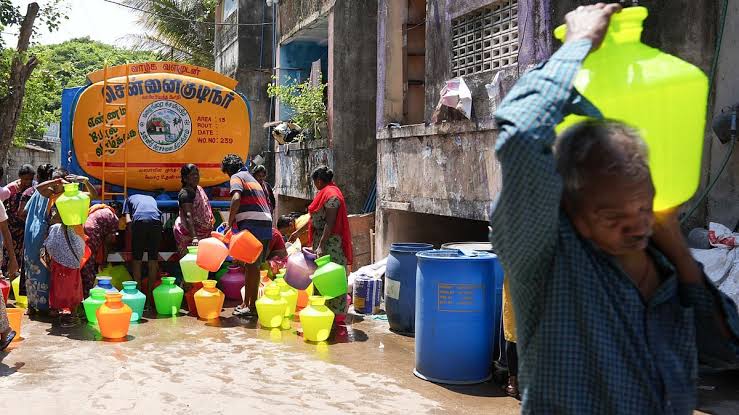
Last year, Bengaluru saw long lines for tankers in some places and sharp public worry over supply. Tankers are trucks that carry water. In fast-growing areas, homes, offices, and apartment blocks all compete for the same limited resource. As a result, city officials are trying to reduce waste before shortages turn severe.
BWSSB penalty snapshot₹5,000₹500/dayFirst breachRepeat breachHigherLower
What does this mean for homes, apartments, and businesses?
For most homes, the change is easy to understand. Use drinking water for cooking, bathing, cleaning, and other basic daily needs. Don’t use it for washing your car with a hose or spraying down driveways. Small habits matter because one hose left running can waste a lot very quickly.
Apartment complexes may need to watch gardeners, maintenance staff, and private contractors more closely. A contractor is a hired worker or company. If decorative plants are watered with potable water, the society could face trouble. So many buildings may switch to recycled water for landscaping and cleaning.
Businesses, gyms, clubs, and builders will need to be careful too. A swimming pool is not the same as a kitchen tap. One is leisure, while the other is basic need. That difference sits at the heart of Bengaluru water rules.
A clear way to think about it is this: if the water is clean enough to drink, BWSSB wants it saved for people. That makes the order easy to quote and easy to follow. It also shows why the rule focuses on waste, not ordinary household use.
How will BWSSB enforce the order?
BWSSB can act through inspections, local checks, and public complaints. An inspection means officials visit a site to see if rules are being followed. In practice, housing societies, commercial buildings, and visible outdoor uses are easier to check than private indoor use.
Enforcement often works best when neighbors and resident groups cooperate. Many Bengaluru communities already share tanker updates and borewell concerns on chat groups. So this order may spread quickly through apartment notices and resident meetings. Public pressure can be as strong as a fine.
People who want the exact wording can check BWSSB notices and updates on the board’s official channels and the BWSSB website. Readers can also follow wider civic updates through the BBMP portal. These are primary sources, which means the information comes straight from public authorities.
How does this fit into the bigger Bengaluru story?
This is not just a one-day rule. It is part of a bigger fight over water, growth, and city planning. Bengaluru keeps adding homes, offices, and roads, but water sources do not grow as fast. So each dry spell puts more stress on the system.
India is seeing similar pressure in energy, transport, and urban services. For example, big infrastructure plans can move quickly, as seen in JSW Group’s large Andhra Pradesh investment. But city basics like water still need constant upgrades on the ground.
The same lesson shows up in other supply stories too. We recently wrote about how India’s copper demand needs more refining capacity and how gas supply curbs were lifted after LNG routes resumed. Different sectors, same truth: when supply is tight, smart use matters.
What should you do now under Bengaluru water rules?
If you live in Bengaluru, check how your home or building uses water outdoors. Stop any use that feels optional, especially if it involves a hose, tanker, or fresh tap water. Then ask your apartment office or landlord if recycled water is available for plants and cleaning.
It also helps to fix leaks, use buckets instead of free-running pipes, and report waste in common areas. A leak may look small, but it can waste many litres over days. Since the fine starts at ₹5,000, prevention is much cheaper than carelessness.
For children, the rule is simple enough to remember. Drinking water is for people first. Cars, lawns, and building walls can wait or use another source. That simple swap is what Bengaluru water rules are trying to enforce.
FAQs
What are Bengaluru water rules?
Bengaluru water rules are BWSSB limits on using drinking water for non-essential tasks. They are meant to stop waste and protect city supply.
How much is the fine for wasting drinking water?
The first fine is ₹5,000. If the violation continues, BWSSB said an extra ₹500 per day can apply.
Why did BWSSB bring in this ban now?
BWSSB acted because Bengaluru faces recurring water stress, especially before hotter months. The city wants to save potable water for basic daily use.
Get the day’s top stories in your inbox
One concise email. No spam, unsubscribe anytime.