Key takeaways
- India is making more phones and gadgets, but many key parts still come from abroad.
- The electronics component gap is the gap between final assembly and local parts-making.
- That gap matters because imported parts keep costs, delays, and trade risks high.
- India now needs deeper manufacturing, not just screwdrivers and final packaging.
- More local parts plants could help jobs, exports, and supply-chain safety.
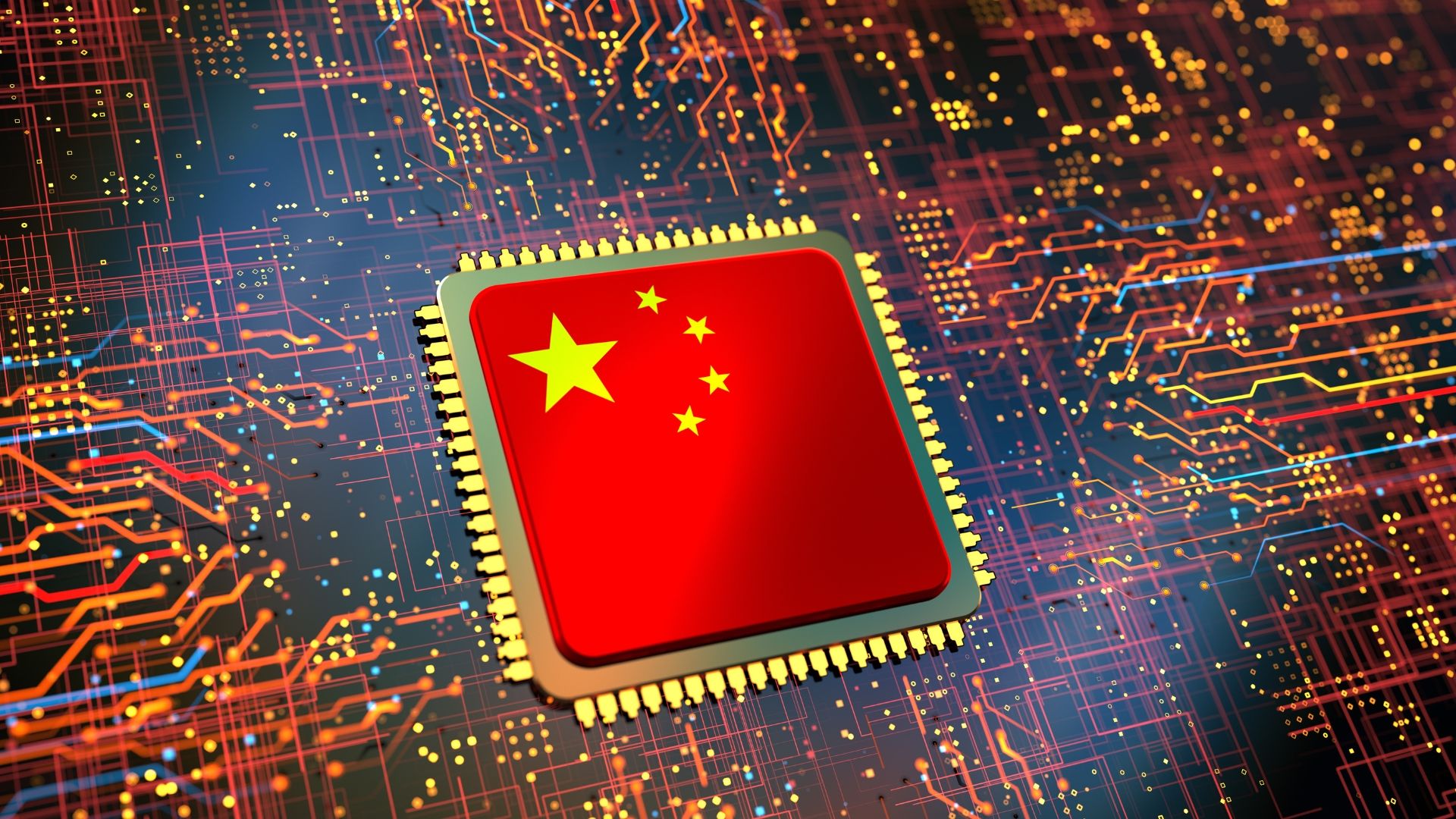
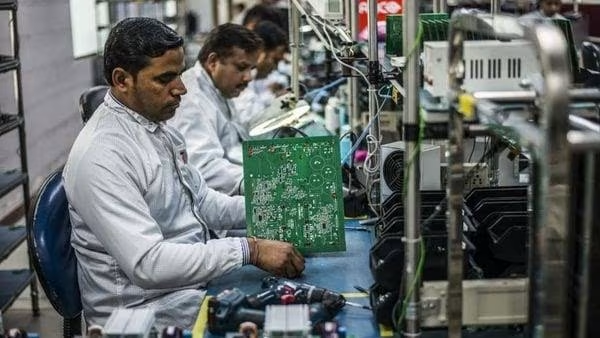
India’s electronics component gap is getting harder to ignore. Electronics component gap means India can assemble many devices, but still buys lots of important parts from other countries. So the factory floor looks busy, yet much of the real value still sits outside India.
That matters because phones, laptops, TVs, and servers need hundreds of parts. A component is one small part inside a device. If most of those parts are imported, India earns less from each product and faces more risk when shipping costs jump or borders slow down.
What is the electronics component gap, really?
The simple version is this: India is getting good at final assembly, but not yet at making enough chips, display panels, camera modules, batteries, and printed circuit boards at scale. Final assembly means putting the finished product together. It’s the last big step, but not the whole job.
Think of a bicycle shop. If you tighten the nuts and add the seat, you assembled the bike. But if the wheels, chain, brakes, and frame all came from somewhere else, the big share of the value went to those suppliers. That’s what the electronics component gap looks like in real life.
India has made strong gains in smartphone assembly. In fact, government data often points to electronics becoming one of the country’s top export categories. But the deeper supply chain still needs work, especially in parts that need huge investment, tight quality control, and years of supplier learning.
Why does the electronics component gap matter so much?
It matters for three big reasons. First, imported parts raise the bill. If a factory must bring in screens, chips, sensors, and memory from overseas, the final product may still carry a large import burden even if it is assembled in India.
Second, the electronics component gap makes supply chains fragile. A supply chain is the route parts take from maker to factory to customer. So if shipping lanes choke, currencies swing, or a foreign supplier cuts output, Indian factories can slow down fast.
Third, local value addition stays low. Value addition means how much new worth is created inside the country. If only the last step happens in India, then the biggest slice of profits, design know-how, and factory capability can stay elsewhere.
That also affects jobs. Assembly creates work, and that’s useful. But component plants often create more skilled jobs in tooling, chemicals, testing, precision engineering, and machine maintenance, because they run deeper industrial processes.
How big is India’s electronics push right now?
India’s electronics story is still a real success. Smartphone exports crossed $15 billion in FY24, according to government statements, and production has risen sharply over the past few years. That’s a big jump from a decade ago, when India imported far more finished gadgets.
Electronics production in India has been cited at more than $100 billion in recent official updates. Yet imports of many critical components remain high. So the headline growth is real, but the electronics component gap shows where the next battle sits.
One reason is scale. A modern phone may contain hundreds of parts, and a laptop or server can need even more. Making each part well, at low cost, and in huge volumes is tough, because suppliers need expensive machines and steady orders for years.
India electronics: assembly up, parts gap remainsExportsLocal partsAssemblyHighLowerVery high
Which parts are hardest to make in India?
Some parts are much harder than others. Semiconductors are chips that process data. Display panels are the screens you look at. Camera modules combine tiny sensors and lenses. These areas need giant capital spending, very clean factories, and dense supplier networks.
Printed circuit boards are also vital. A printed circuit board is the base that connects electronic parts. India makes some of these already, but advanced versions and many sub-parts still come from abroad, especially from East Asian supply hubs.
Here is a simple look at where things stand:
| Area | India’s position | Main challenge |
|---|---|---|
| Final assembly | Strong growth | Needs deeper local sourcing |
| Phone components | Mixed progress | Scale and cost |
| Semiconductors | Early stage | Huge investment |
| Display panels | Limited base | Technology and volume |
| PCB ecosystem | Growing | Advanced layers and inputs |
Battery cells are another key area, especially for wearables, laptops, and electric devices. Cells are the energy units inside a battery pack. India is pushing local battery work too, but it still needs more raw materials, chemistry capacity, and steady demand.
What is India doing to close the electronics component gap?
The government has used PLI schemes to pull in manufacturers. PLI means production-linked incentive. It is a policy that pays firms for making more goods in India. That helped assembly grow fast, especially in smartphones.
Now the policy focus is shifting toward components, because assembly alone cannot do the full job. India also wants stronger semiconductor capacity, electronics clusters, and logistics upgrades. A cluster is a group of factories and suppliers built close together, so parts move faster and cheaper.
This fits a wider industrial push. For example, India’s metals and factory base matter too, as seen in our report on why copper refining capacity matters for India’s manufacturing future. Copper is crucial in wires, motors, and circuit systems, so electronics growth depends on upstream materials as well.
Heavy industry spending could help support this chain over time. That’s why moves such as Tata Steel’s planned FY27 expansion and technology spend and JSW Group’s large Andhra Pradesh investment plan matter beyond their own sectors.
What needs to happen next?
India needs patient capital, stable policy, and reliable power. Patient capital means money that waits years for returns. Component plants do not become cheap or efficient overnight, so investors need time and confidence.
It also needs trusted quality. A phone brand will not switch suppliers just because a plant opens. It will test output for months, sometimes years, because one bad chip or connector can ruin thousands of devices.
Exports could grow much more if local parts rise. If India makes a larger share of the bill of materials, it keeps more value at home. Bill of materials means the full list of parts inside a product. As a result, margins, skills, and supplier learning all improve.
There is also a trade angle. India wants to become a bigger alternative manufacturing hub while global firms spread risk beyond one country. That is why the electronics component gap is more than a factory issue. It’s also about strategy, resilience, and who captures the next wave of tech manufacturing.
India’s electronics rise is real, but the next step is clear: the country must make more of the parts inside its gadgets, not just the final box. That is the fastest way to raise value addition, reduce import risk, and build a stronger export machine.
For the latest official policy background, readers can check the Ministry of Electronics and IT and the India Brand Equity Foundation’s electronics overview. Those sources show how fast the sector has grown, but also why the hard part now is depth.
And depth is the whole point. India has proved it can attract assembly lines. The next test is whether it can turn those lines into a full industrial ecosystem, where screens, boards, chips, connectors, and battery parts are made closer to home.
FAQs
What is the electronics component gap?
The electronics component gap is the gap between assembling a device in India and making enough of its key parts in India too.
Why does the electronics component gap matter for prices?
It matters because imported parts add shipping costs, delay risks, and foreign exchange pressure. So local parts can help bring more stability.
How can India reduce the electronics component gap?
India can reduce it by backing component factories, improving power and logistics, building supplier clusters, and giving firms stable long-term policy support.
Get the day’s top stories in your inbox
One concise email. No spam, unsubscribe anytime.