Key takeaways
- A Chinese AI chip startup has come out of stealth mode, which means it stopped working in secret.
- The company says 3D stacking can make AI chips faster by piling parts vertically.
- That matters because US export controls have made top foreign chips harder for Chinese firms to buy.
- 3D stacking could help, but it also brings heat, cost, and manufacturing risks.
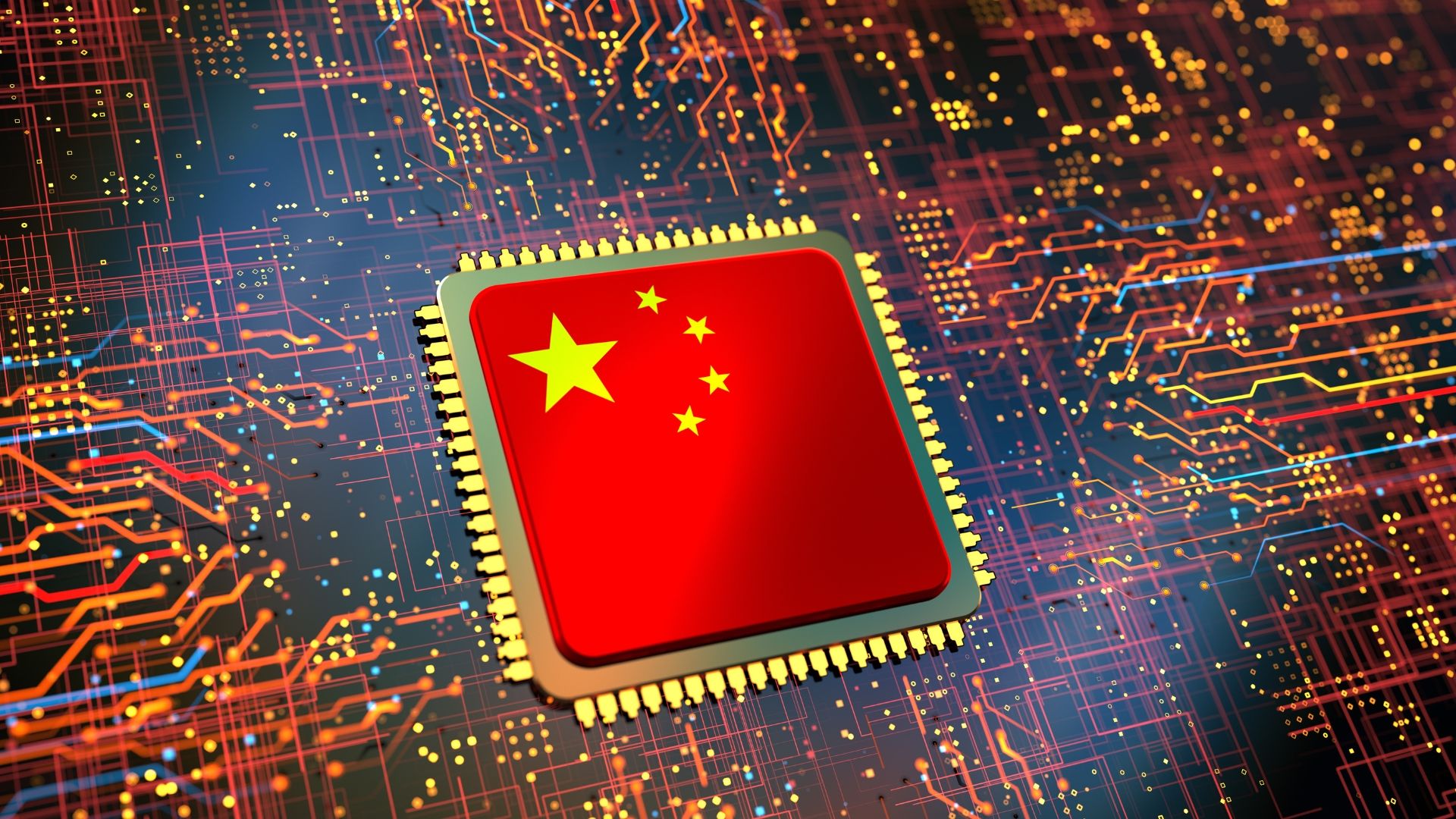
A Chinese AI chip startup is a new company in China building processors for artificial intelligence. This Chinese AI chip startup says it can use 3D stacking to push past hardware limits. 3D stacking means placing chip parts on top of each other. The goal is more speed in less space.
The company has now stepped into public view after working quietly. That move matters because China’s AI firms need more computing power fast. Computing power is the muscle that trains and runs AI models. And right now, getting that muscle is harder than it used to be.
Why is this Chinese AI chip startup getting attention?
It is getting noticed because it picked a bold path. Instead of chasing only smaller chip sizes, it wants to stack chiplets in layers. Chiplets are small chip blocks that work together. Think of them like Lego bricks for processors.
That approach has become more popular around the world. Big chip companies already use versions of it. But this Chinese AI chip startup is pitching 3D stacking as a way to build strong AI hardware under pressure from US rules. Those rules limit China’s access to some advanced chips and tools.
US export controls are trade rules that restrict what companies can sell abroad. In this case, they affect advanced AI chips and chipmaking gear. So Chinese firms have had to look for workarounds, local supply chains, and fresh designs.
What is 3D stacking, and why does it matter?
Normal chips spread parts across a flat surface. 3D stacking builds upward instead. That can shorten the distance data must travel, so chips may move information faster. It can also save space, which matters in packed data centers.
Here’s the simple idea: if one floor is full, build a second floor. Then a third. In chip design, that can mean better memory links and lower delay. Delay is the wait time before data moves from one part to another.
Many AI jobs depend on huge memory flows. Memory is where data sits while a chip works. A smart stack can place memory closer to compute units, which do the math. As a result, the chip may spend less time waiting and more time working.
But there is a catch. Stacked chips can get hotter because more parts sit in a tiny space. Heat is the enemy of fast electronics. Cooling these systems well is hard, and poor yields can push costs up. Yield means how many good chips come out of a factory batch.
How do US controls shape this race?
China’s AI industry has faced tighter limits since Washington expanded export controls in recent years. Those restrictions hit top-end GPUs and some manufacturing tools. GPUs are graphics processors, but they also power many AI systems. Nvidia’s A100 and H100 became symbols of that gap.
For example, Nvidia’s H100 became one of the best-known AI chips for training large models. Training means teaching an AI system by feeding it lots of data. If a company cannot buy enough advanced chips, it may train models more slowly or pay more to do it.
That’s why packaging tricks matter more now. Packaging is how chip parts are linked and wrapped together. In fact, some experts say advanced packaging could become almost as important as the chip itself. A clever package can squeeze more from older process nodes, which are generations of chipmaking tech.
Here is the core point: a Chinese AI chip startup is trying to use 3D stacking to get more AI performance from the tools and designs it can access, even while US export controls make cutting-edge foreign chips harder to obtain.
How big is the challenge in numbers?
AI chips are expensive, and the top ones cost thousands of dollars each. Training a large AI model can require hundreds or even thousands of processors. One high-end AI server can pack 8 chips, while a large cluster may use 1,000 or more. So every gain in efficiency matters.
The chip industry is also brutal on costs. A modern fabrication plant can cost more than US$10 billion. Advanced packaging lines cost less than that, but they still need huge spending. That is one reason startups often focus on design first, then rely on manufacturing partners.
China’s chip imports have been worth hundreds of billions of dollars a year in the past. That shows the scale of dependence. So if even a small slice of AI demand shifts to home-grown suppliers, the business chance is huge.
Key numbers in the AI chip race8 chips1,000+$10bn+AI serverlarge clusterfab cost
The chart above is simple, but it shows the scale. An AI server may hold 8 chips. A large training cluster may use 1,000 or more. And a leading-edge fab, which is a chip factory, can cost above US$10 billion.
What could this mean for China’s tech industry?
If this bet works, it could give Chinese AI firms another local option. That would not erase the gap with global leaders overnight. But it could ease a bottleneck, which is a choke point that slows everything else. AI companies need steady chip supply as much as raw speed.
It could also push rivals to invest more in packaging. Meanwhile, China’s chip sector has already been exploring memory, networking, and special AI accelerators. Accelerators are chips built for a narrow task. This startup adds one more route: smarter stacking.
There is a wider lesson too. Technology races are not only about one magic chip. They are also about design tools, factories, packaging, software, and power use. Because of that, even a clever idea needs a full ecosystem to win.
| Issue | Why it helps | Why it is hard |
|---|---|---|
| 3D stacking | Faster data movement, smaller footprint | More heat, tougher assembly |
| Chiplets | Mix and match smaller blocks | Needs strong connections between blocks |
| Local supply | Less reliance on imports | May trail global leaders in tools |
What should readers watch next?
The biggest question is whether the company can move from a pitch to a product. Anyone can promise speed. Real proof comes from taped-out chips, customer tests, and factory yields. Tape-out means a design is finished and sent for manufacturing.
Watch for three things. First, does it name manufacturing partners? Second, does it publish performance numbers against known AI chips? Third, can it produce at volume, which means in large quantities and on time?
This story also fits a bigger trend across Asia. You can see that in our report on how China opened lithium futures to foreign traders and in our coverage of Tech Mahindra’s growing use of AI tools. Hardware and software are moving together. And demand keeps rising.
For more background on the rules shaping this fight, readers can check the US Bureau of Industry and Security. For a wider view of China’s semiconductor strategy, official releases from China’s government portal help track policy signals.
The race is far from settled. Still, this Chinese AI chip startup has picked a path that makes strategic sense. It is not trying to wish away the rules. It is trying to engineer around them.
FAQs
What is a Chinese AI chip startup?
It is a young company in China that builds processors for AI tasks, such as training and running models.
How does 3D stacking help AI chips?
It places chip parts on top of each other, so data can travel shorter distances and move faster.
Why do US export controls matter here?
They limit access to some top foreign AI chips and tools, so Chinese firms must find other ways to improve performance.
Get the day’s top stories in your inbox
One concise email. No spam, unsubscribe anytime.