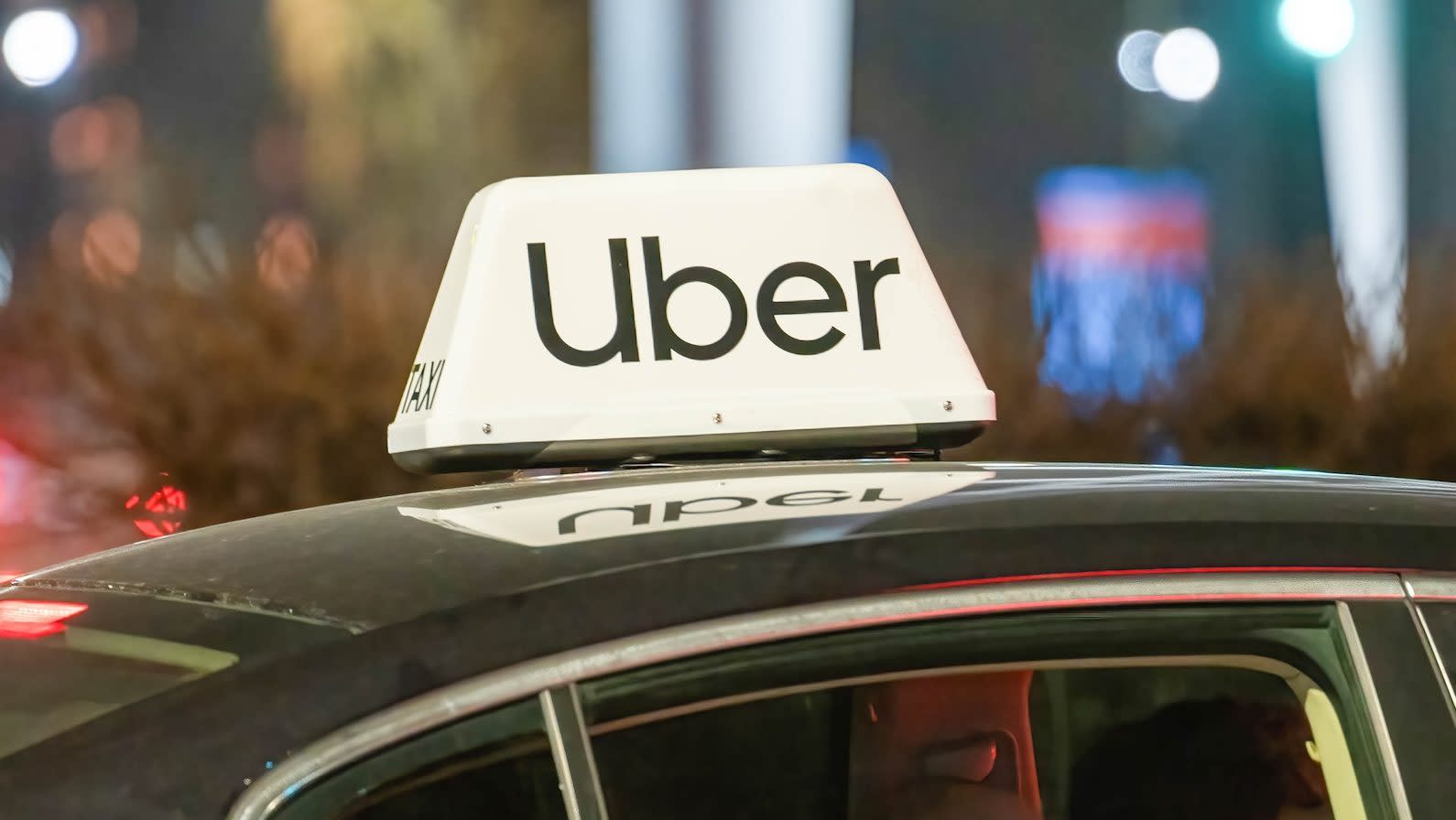
Key takeaways
- Uber has reportedly slowed its Europe food delivery push while it studies a possible Delivery Hero deal.
- Uber Europe expansion pause means Uber is holding back on entering or pushing harder in some markets for now.
- Delivery Hero is one of Europe’s biggest food delivery groups, so any deal could reshape competition.
- Regulators may look closely at the plan because fewer rivals can mean higher prices or less choice.
Uber Europe expansion pause is the big idea here. It means Uber is slowing its food delivery expansion in parts of Europe for now. The reported reason is simple. Uber may want room to work on a possible deal with Delivery Hero.
The report came from the Financial Times, which said Uber had paused some expansion plans as it pursued talks tied to Delivery Hero. Reuters cited that report, while both companies did not give full public details at the time. So investors and restaurant partners are now watching for signs of what comes next.
Why is Uber slowing down in Europe?
Europe is a crowded food delivery market. Big names include Uber Eats, Delivery Hero, Just Eat Takeaway, and local rivals. Because so many companies fight for the same orders, growth can get expensive fast.
Food delivery firms often spend heavily on discounts, ads, and driver incentives. Incentives are bonus payments to attract workers or customers. If Uber thinks a deal could change the map, it may not want to burn extra cash before that happens.
This is also about focus. Big cross-border deals take time, lawyers, and money. Antitrust review is when regulators check if a merger hurts competition. That process can last months, so companies often stay careful while talks continue.
What is Delivery Hero, and why does it matter?
Delivery Hero is a major delivery company based in Germany. It runs food and quick-commerce businesses in many countries. Quick commerce means very fast delivery of small items, often in under an hour.
The company matters because scale is everything in delivery. Scale means size that helps lower costs. A bigger network can spread tech costs, delivery systems, and marketing across more orders.
That is why any Uber-Delivery Hero tie-up would get attention. In some cities, even a small market share shift matters. If one player gets much stronger, restaurants, riders, and customers could all feel it.
How big is Europe’s food delivery fight?
The market is huge, but profits have been hard to win. During the pandemic, delivery boomed because people stayed home. Then growth cooled as diners returned to restaurants and households watched spending.
Here are a few numbers that show the scale. Uber reported $14.7 billion in revenue in the first quarter of 2026 across its business lines, according to its investor relations site. Delivery Hero reported €11.2 billion in gross merchandise value for Q1 2026, according to its investor updates. Gross merchandise value means the total value of orders placed on a platform.
Those numbers are not exactly the same thing, but they still show something important. These are giant companies. Even a pause in one region can ripple through restaurants, app users, and gig workers.
Key numbers behind the reported moveUber revenue$14.7bnDelivery Hero€11.2bn GMVhigherQ1 2026
What could a deal change for customers and restaurants?
If Uber buys assets, takes a stake, or partners more closely, customers could see changes in app choice. In some places, there may be fewer competing offers. But Uber could also improve delivery times if it gains a stronger network.
Restaurants care about fees most of all. Commission is the cut a platform takes from each order. If competition drops, restaurants may worry about higher fees, though companies often argue scale helps them invest and serve merchants better.
Drivers and riders will watch payouts closely. Payouts are what delivery workers earn per trip and through bonuses. A bigger platform can mean more orders, but it can also mean new rules or less rivalry for workers.
The core issue is simple: Uber appears to be slowing its Europe delivery push now because a Delivery Hero deal could redraw the market later.
Has Lapaas Voice covered related delivery or growth stories?
Yes, and the wider pattern is easy to spot. Fast-moving consumer apps keep chasing scale, while investors want profits too. You can see that tension in our report on Swish hitting a $200 million valuation and in our story on how Indian tech startups now take about 8 years from funding to IPO.
There is also a bigger platform race in AI and services. That is why our coverage of Tech Mahindra deploying Perplexity AI matters here too. Companies want better tools, lower costs, and stronger positions before the next round of competition.
What are the main facts so far?
Here is a quick look at what is known and what is still unclear. That matters because market talk can race ahead of confirmed details.
| Point | What we know |
|---|---|
| Reported move | Uber has reportedly paused some Europe food delivery expansion steps. |
| Reason | The reported focus is a possible Delivery Hero deal. |
| Confirmed terms | No full public deal terms were confirmed in the report. |
| Main risk | Regulators could review any transaction closely. |
| Who may be affected | Customers, restaurants, riders, and rival delivery apps. |
Why does this matter beyond one company?
The Uber Europe expansion pause tells us something bigger about the delivery business. Growth at any cost is out. Now companies want profitable growth, smarter maps, and fewer weak bets.
That shift has been building for years. Companies once rushed into new cities, then pulled back when losses piled up. Losses are when a business spends more money than it makes. So a pause can be a sign of discipline, not defeat.
It also shows how hard Europe can be. Rules differ by country, worker laws keep changing, and local habits matter. What works in one city may fail 300 kilometers away.
What should readers watch next?
First, watch for any official statement from Uber or Delivery Hero. A filing, earnings call, or investor note could add real detail. That is where the story becomes clearer.
Second, look for competition concerns. Regulators in Europe often study platform deals closely, especially in digital markets. If they worry about less choice, reviews can slow or reshape a deal.
Third, keep an eye on city-by-city strategy. The Uber Europe expansion pause may not mean a full retreat. It could simply mean Uber is picking fewer battles while it waits.
For now, the signal is clear. Uber seems to be putting strategy before speed. And in delivery, that can matter as much as who brings dinner to your door first.
FAQs
What does Uber Europe expansion pause mean?
It means Uber is reportedly slowing some food delivery growth moves in Europe for now, likely while it studies a possible Delivery Hero deal.
Why would Uber stop expanding if delivery is growing?
Expansion costs a lot. So if a deal could change the market, Uber may prefer to save cash and stay flexible.
Who could be affected by this move?
Customers, restaurants, delivery riders, and rival apps could all feel the impact, especially if a larger deal changes local competition.
Get the day’s top stories in your inbox
One concise email. No spam, unsubscribe anytime.