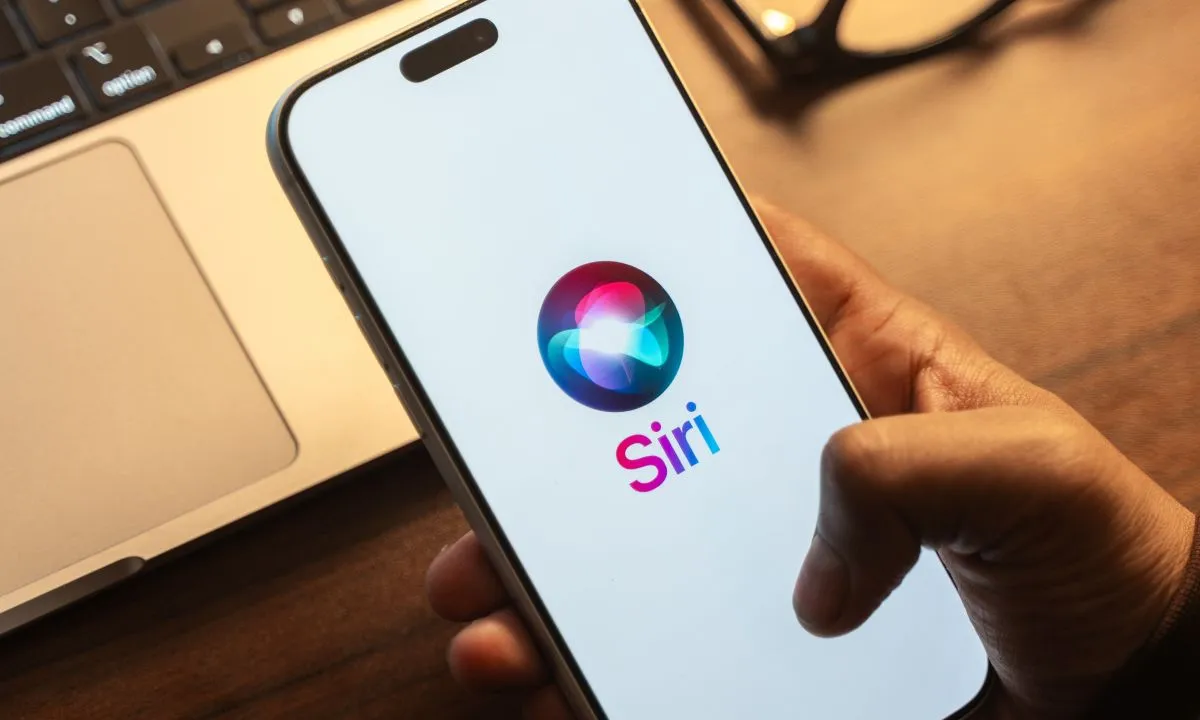
Apple Siri AI is Apple’s plan to make Siri much more useful. Apple Siri AI means Siri won’t just answer simple questions. It will help control apps, finish tasks, and connect your iPhone, Mac, and other Apple devices. That could make Siri the front door to almost everything Apple does.
Key takeaways
- Apple Siri AI aims to turn Siri into a task helper, not just a voice assistant.
- Siri could work across apps, so it may do jobs for you in a few steps.
- Apple wants this to fit into its wider push called Apple Intelligence.
- The big goal is simple: make Apple devices easier to use with voice and context.
Why is Apple Siri AI such a big shift?
For years, Siri felt limited. It could set alarms, send texts, or tell you the weather. But it often failed when people asked for bigger, more natural jobs. That gap mattered because rivals moved faster.
Now Apple seems to be changing the role of Siri. Instead of acting like a tiny helper, Siri may become the system that ties Apple’s products together. In plain words, it could be the layer that sits on top of apps and does the clicking for you.
That matters because Apple has more than 2 billion active devices in use worldwide. Apple shared that figure in earlier company updates. If Siri becomes smarter across that huge network, even a small improvement could affect millions of people every day.
Wired’s report suggests Apple is treating Siri as an “everything tool.” That means Siri is not just another app. It could become the fastest way to search, open, compare, write, send, and manage things on Apple devices.
What could Apple Siri AI actually do for people?
Think of a normal day. You want to find a message, pull up an email, and send a photo. Right now, you may tap through three or four apps. With Apple Siri AI, Apple wants Siri to handle more of that chain for you.
For example, you could say, “Find the photo Sam sent last week and add it to my note.” That sounds small, but it is not. Siri would need to understand who Sam is, where the photo sits, and which note app you mean.
This is called context. Context means the clues around your request. A smart system uses those clues to figure out what you mean, so you do not have to explain every tiny step.
Apple also wants Siri to take actions inside apps. That is often called app intent. App intent means software knows what a command should do inside an app, like creating a reminder or editing a picture.
So the promise is simple. Less tapping. More asking. And fewer moments where your phone says, “Sorry, I can’t help with that.”
How does Apple Siri AI fit into Apple Intelligence?
Apple has already introduced Apple Intelligence, which is its new set of AI features. AI means artificial intelligence. That is software trained to spot patterns, understand words, and make helpful guesses.
Siri sits right in the middle of that push. If Apple Intelligence is the engine, Siri may become the steering wheel. You speak, type, or tap, and then Siri routes the request to the right tool.
Apple also stresses privacy. Privacy means keeping personal data under your control. The company says many AI tasks can run on your device, while harder jobs can use Apple’s private cloud system. Apple calls that Private Cloud Compute.
That privacy pitch is a big part of Apple’s message. Some people like AI tools, but they do not want all their personal data sent far away. Apple hopes that concern will help Apple Siri AI stand out.
Why did old Siri struggle so much?
Old Siri was built for a different time. Back then, voice assistants mostly handled one-step requests. Set a timer. Call Mom. Play music. That was useful, but it was narrow.
Today people expect much more. They want assistants that remember details, connect apps, and understand follow-up questions. If you ask one thing, then ask another, you expect the assistant to keep up.
Apple had trouble there, while rivals pushed ahead. That is one reason Siri became a joke online. Many users felt it was slower, less flexible, and less smart than other AI chat tools.
Here is a simple picture of the jump Apple is trying to make:
Siri’s shiftBasic commandsApp helpCross-app tasksLowMediumHigh
The bars are not exact test scores. They show the direction of travel. Apple wants Siri to move from low-complexity jobs to high-complexity tasks that span many apps.
What makes this hard for Apple?
It sounds easy to say, “Siri, do this for me.” But software has to solve many problems first. It must understand your words, know which app to use, and avoid dangerous mistakes.
That last part matters a lot. If Siri mishears a song request, that is annoying. If it sends money to the wrong person, that is a real problem. So Apple has to be careful as it expands Apple Siri AI.
There is also the issue of trust. People will only use a digital helper if it works often. If it fails three times in a row, they go back to tapping screens.
Apple faces strong pressure because AI rivals are moving fast. OpenAI, Google, Anthropic, and others keep adding tools that can write, search, and reason in new ways. We have also covered how OpenAI CEO Sam Altman now says AI could create more jobs than it eliminates and how Anthropic added an integrated browser window to Claude Code. Those changes show how quickly the field keeps moving.
| Old Siri | Apple Siri AI goal |
|---|---|
| One-step commands | Multi-step tasks |
| Limited app control | Deep app actions |
| Weak follow-up memory | Better context awareness |
| Basic answers | Personal help across devices |
What could this mean for iPhone users?
If Apple gets this right, using an iPhone could feel faster. You may spend less time hunting through apps. You may also need fewer exact commands, because Siri could understand everyday speech better.
That could help children, older users, and busy people most. Voice can be easier than menus. It can also help when your hands are full, like while cooking or walking.
There is a business angle too. If Siri becomes the easiest way to use Apple products, people may stay inside Apple’s world longer. That helps the company sell more services and keep users loyal.
Apple’s wider machine is huge. In its latest quarterly results, the company reported revenue of $90.8 billion for one quarter. Services alone brought in more than $23 billion. Numbers that large show why a better Siri could matter far beyond one feature.
It may also shape how people search. Instead of opening apps one by one, users might just ask Siri. That would slowly change where attention goes on a phone.
Could Apple Siri AI change the AI race?
Yes, because Apple plays a different game. Rivals often launch first and improve later. Apple usually waits, then tries to make things simpler for ordinary users.
That strategy can work if the product feels smooth on day one. But it can also fail if the delay is too long. AI users are learning fast, so they notice when a tool feels behind.
Apple Siri AI does not need to beat every chatbot at every trick. It just needs to become very good at helping people get things done on Apple devices. That is a narrower goal, but it could still be powerful.
And that is the key point. Apple is not just fixing Siri. It is trying to turn Siri into the control layer for its whole ecosystem, which means the network of Apple devices, apps, and services that work together.
For more on how AI is changing daily tech use, you can also read our coverage of how AI now writes 25% of social media posts over 250 words.
FAQs
What is Apple Siri AI?
Apple Siri AI is Apple’s effort to make Siri smarter and more useful. It aims to help Siri understand context and complete tasks across apps and devices.
How is Apple Siri AI different from old Siri?
Old Siri mostly handled simple commands. Apple Siri AI is meant to handle longer, multi-step jobs and understand follow-up requests better.
Why does Apple Siri AI matter?
It matters because Siri could become the main way people use Apple devices. If it works well, users may save time and rely less on tapping through apps.
Get the day’s top stories in your inbox
One concise email. No spam, unsubscribe anytime.