The Russia sanctions bill is a Senate plan to punish Russia with tougher penalties. Sanctions are rules that try to squeeze money, trade, or access. The Russia sanctions bill gained new momentum as U.S. senators signaled support while President Donald Trump weighed how far to go.
Key takeaways
- The Russia sanctions bill would increase pressure on Moscow and on countries that help its trade.
- Senators from both parties appear open to moving the bill forward.
- Trump’s stance matters because he would need to sign the bill, or Congress would need enough votes to override a veto.
- The debate is really about leverage, which means using pressure to change another country’s behavior.
What is the Russia sanctions bill trying to do?
The basic goal is simple. Lawmakers want to hit Russia harder over its war in Ukraine. They also want to warn other countries and companies not to help Moscow dodge earlier penalties.
That matters because sanctions only work if they bite. If oil, banking, and shipping routes stay open through back doors, the pressure drops fast. So the Russia sanctions bill aims to close some of those gaps.
One key idea is secondary sanctions. That means punishing other people or firms that do business with a target country. In plain words, it tries to make partners think twice before helping Russia sell goods, move money, or buy parts.
Supporters say this would give Washington more muscle. Critics worry it could upset allies or raise costs for global trade. So the fight is not only about Russia. It’s also about how hard the U.S. should push everyone else.
Why is the Senate moving now on the Russia sanctions bill?
The timing is political and strategic. Some senators believe the White House has not used enough pressure yet. They want Congress to show resolve, especially as the war drags on with no clear peace deal.
Lindsey Graham has been one of the loudest voices on this issue. He has argued for stronger action and has built support in the Senate. Axios reported that the chamber is looking at a path that would show backing for his push, while still leaving room for Trump’s final call.
That balancing act matters. Congress can pass a bill, but the president signs it into law. If a president says no, lawmakers need a two-thirds vote in both chambers to override that veto. That’s a very high bar.
In the Senate, 67 votes are needed to override a veto. In the House, it takes 290 votes if all members vote. Those are big numbers, so many senators would rather move with the White House than fight it.
Votes needed to override a U.S. presidential vetoSenate: 67House: 290Longer bar = more votes needed
What does Trump have to do with the Russia sanctions bill?
A lot. Trump shapes U.S. foreign policy, which means how America deals with other countries. Even if senators agree on the Russia sanctions bill, his support could decide whether it becomes law quickly or stalls.
Some Republicans want to give Trump room to negotiate. They think a hard bill can act like a threat in the background. In that view, Congress builds pressure, and the president decides when to use it.
Others fear too much delay helps Moscow. They argue that threats without action can lose force. So they want the Russia sanctions bill to move soon, not just sit on the shelf.
Here’s the core issue in one line: the Russia sanctions bill is Congress trying to give the U.S. more pressure tools against Russia, while Trump decides how tightly he wants to hold that tool.
What kinds of penalties could be in the Russia sanctions bill?
The exact text can change before a final vote. Still, these bills often target banking, energy sales, shipping, and access to U.S. markets. Markets are places where people buy and sell goods, money, or shares.
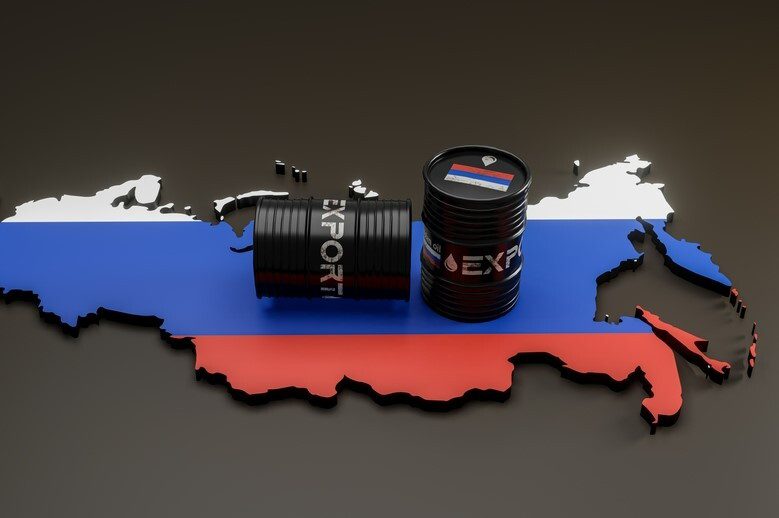
Russia depends heavily on energy exports. Exports are goods sold to other countries. So lawmakers often focus on oil and gas because those sales help fund the state.
That is why trade routes matter so much. If ships, insurers, or banks keep working around old penalties, Russia can still earn large sums. For example, a big jump in shipping costs can ripple through oil prices, freight fees, and even inflation.
India watches these debates closely because oil prices affect fuel bills at home. You can see that link in our coverage of how crude oil prices rose over 4% to $80 and why shipping chokepoints matter in stories like Dubai’s plan for a new port to bypass the Strait of Hormuz.
| Issue | What it means | Why it matters |
|---|---|---|
| Primary sanctions | Direct U.S. penalties on Russian targets | They hit banks, firms, or officials |
| Secondary sanctions | Penalties on others helping Russia | They can widen the pressure fast |
| Veto override | Congress passing a bill despite a president’s no | Needs 67 Senate and 290 House votes |
Could this affect oil, trade, and other countries?
Yes, at least indirectly. A tougher Russia sanctions bill could make Russian oil harder to move. That might tighten supply, which means less oil reaches buyers easily.
When supply gets tighter, prices can rise. Even a few dollars per barrel matters. A barrel is a standard oil unit equal to about 159 liters.
Those price moves can then hit airlines, shipping firms, factories, and families. Fuel costs often spread through the economy because trucks, planes, and power systems all use energy. That’s one reason investors react fast to any sanctions headline.
Trade numbers can also shift. India recently reported a trade deficit of $30.43 billion in June. A trade deficit means a country bought more from abroad than it sold. If energy gets pricier, that gap can widen, as we explained in our report on India’s trade deficit.
What happens next in the Senate?
First, senators need agreement on the bill’s final shape. That includes how strict the penalties are and how much room Trump gets to delay or waive them. A waiver is official permission not to apply a rule in some cases.
Then leaders decide whether to bring the Russia sanctions bill to the floor for debate and votes. If it passes the Senate, the House would also need to approve it. After that, it goes to Trump.
There is also the politics of timing. Lawmakers may move faster if fighting in Ukraine worsens, or if peace efforts fail again. Meanwhile, if the White House signals support, the bill could gain speed very quickly.
For the latest official record, readers can track Congress on the U.S. Congress website and White House policy statements at the White House. Those are primary sources, which means direct original documents rather than second-hand reports.
Why this story matters beyond Washington
This may sound like distant Capitol Hill drama, but it isn’t only that. The Russia sanctions bill could affect oil prices, shipping costs, global trade, and the war’s next phase. So people far from Washington could still feel its effects.
It also shows how U.S. power works. Congress wants a tougher line. Trump wants room to choose. The result will tell the world whether America plans to escalate economic pressure now, or keep sanctions as a bargaining chip.
And that is the real story. The Russia sanctions bill is not just a paper fight in the Senate. It’s a test of how far the U.S. will go to squeeze Russia, and how much control Trump wants over that decision.
FAQs
What is the Russia sanctions bill?
The Russia sanctions bill is proposed U.S. legislation to increase economic pressure on Russia and on others that help its trade or finance.
Why does Trump matter so much here?
He matters because presidents sign bills into law and control much of foreign policy. If Trump opposes the bill, Congress would need huge vote totals to override him.
How could this affect ordinary people?
It could affect oil and shipping costs. If energy prices rise, transport and goods can also get more expensive.
When could the Senate act?
The Senate could move once leaders settle the bill’s wording and count support. That can happen fast if political pressure grows.
Get the day’s top stories in your inbox
One concise email. No spam, unsubscribe anytime.