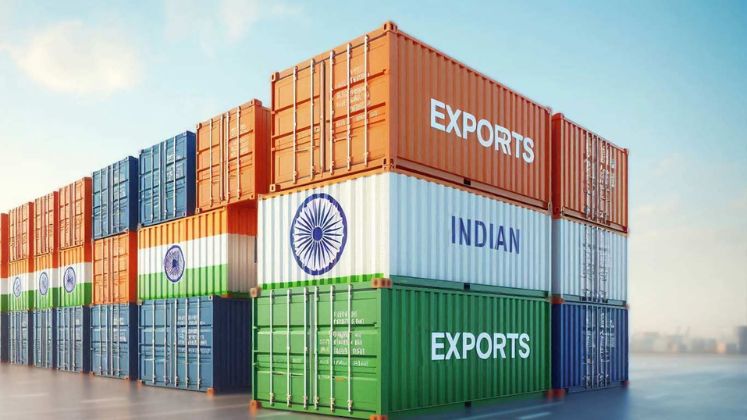
India’s merchandise trade deficit widened to a five-month high of $30.43 billion in June 2026, as imports continued to outpace exports amid higher crude oil prices, increased gold purchases, and strong domestic demand. According to data released by the Ministry of Commerce and Industry, merchandise exports remained resilient but were insufficient to offset the sharp rise in imports during the month.
The wider trade gap reflects the impact of rising global commodity prices and robust import demand from one of the world’s fastest-growing major economies. While the increase may put some pressure on the current account balance, analysts note that strong services exports and steady foreign capital inflows could help cushion the broader external sector.
Trade Deficit Reaches Five-Month High
India recorded its largest monthly merchandise trade deficit since January.
| Trade Performance | June 2026 |
|---|---|
| Merchandise exports | $38.71 billion |
| Merchandise imports | $69.14 billion |
| Trade deficit | $30.43 billion |
The deficit widened as import growth outpaced exports, reflecting higher purchases of energy, precious metals, and industrial goods.
Imports Continue to Rise
Imports increased due to several factors.
Key drivers included:
- Higher crude oil prices.
- Increased gold imports.
- Strong domestic consumption.
- Rising demand for electronic goods.
- Industrial raw material purchases.
India remains heavily dependent on imported crude oil, making its import bill particularly sensitive to global energy prices.
Export Performance Remains Stable
Despite the wider deficit, exports continued to show resilience across several sectors.
Major export categories included:
- Engineering goods.
- Pharmaceuticals.
- Electronics.
- Chemicals.
- Petroleum products.
- Textiles.
Growing demand from key international markets helped support export performance despite slowing global trade.
Oil Prices Influence Trade Balance
Higher crude oil prices played a significant role in widening the trade deficit.
| Factor | Impact |
|---|---|
| Crude oil | Higher import bill |
| Gold imports | Increased trade gap |
| Domestic demand | More imports |
| Export growth | Partially offset higher imports |
As one of the world’s largest oil importers, India’s trade balance is closely linked to movements in international crude prices.
Services Exports Provide Support
While the merchandise trade deficit widened, India’s services sector continues to contribute positively to the external account.
Key contributors include:
- IT services.
- Business consulting.
- Financial services.
- Global capability centers.
- Professional services.
Strong services exports help offset part of the merchandise trade deficit, reducing pressure on the overall current account.
Impact on the Economy
A wider trade deficit can influence several economic indicators.
Potential implications include:
- Higher current account deficit.
- Increased demand for foreign currency.
- Pressure on the rupee.
- Higher imported inflation if commodity prices remain elevated.
However, economists note that sustained capital inflows and healthy foreign exchange reserves can help mitigate these risks.
What Policymakers Will Watch
The government and the Reserve Bank of India are expected to monitor:
- Global crude oil prices.
- Export demand.
- Gold imports.
- Currency movements.
- Global economic conditions.
Future trade performance will depend on both international market trends and domestic demand.
Outlook
Analysts expect India’s trade deficit to remain elevated if crude oil prices stay high and domestic import demand remains robust. At the same time, continued strength in services exports, manufacturing, and foreign investment is expected to provide support to the country’s external sector.
The trajectory of global commodity prices and export demand will be key factors determining whether the trade gap narrows in the coming months.
What It Means for the Indian Economy
The widening of India’s merchandise trade deficit to $30.43 billion reflects both the challenges and strengths of a rapidly growing economy. Rising imports indicate strong domestic demand and industrial activity, but they also increase the country’s dependence on global commodity prices, particularly crude oil.
For policymakers, maintaining a healthy balance between export growth and import costs will remain a priority. Continued expansion in services exports, manufacturing, and foreign investment will play a crucial role in supporting India’s external position while helping offset fluctuations in the merchandise trade balance.
Get the day’s top stories in your inbox
One concise email. No spam, unsubscribe anytime.