India’s retail inflation, measured by the Consumer Price Index (CPI), rose to 4.38% in June 2026, up from 3.93% in May, according to provisional data released by the Ministry of Statistics and Programme Implementation (MoSPI). The reading exceeded the Reserve Bank of India’s (RBI) medium-term inflation target of 4% for the first time in 17 months, driven primarily by higher food and fuel prices.
The June inflation print was slightly above economists’ expectations of around 4.3% and has strengthened expectations that the RBI could maintain a cautious stance on monetary policy in the coming months if price pressures persist.
Retail Inflation Crosses RBI’s Target
June’s CPI inflation marked a notable increase from the previous month.
| Inflation Indicator | June 2026 | May 2026 |
|---|---|---|
| Retail inflation (CPI) | 4.38% | 3.93% |
| Food inflation | 5.32% | 4.78% |
| RBI medium-term target | 4.0% | 4.0% |
The latest reading remains within the RBI’s tolerance band of 2% to 6%, but it has moved above the central bank’s preferred target level.
Food Prices Continue to Drive Inflation
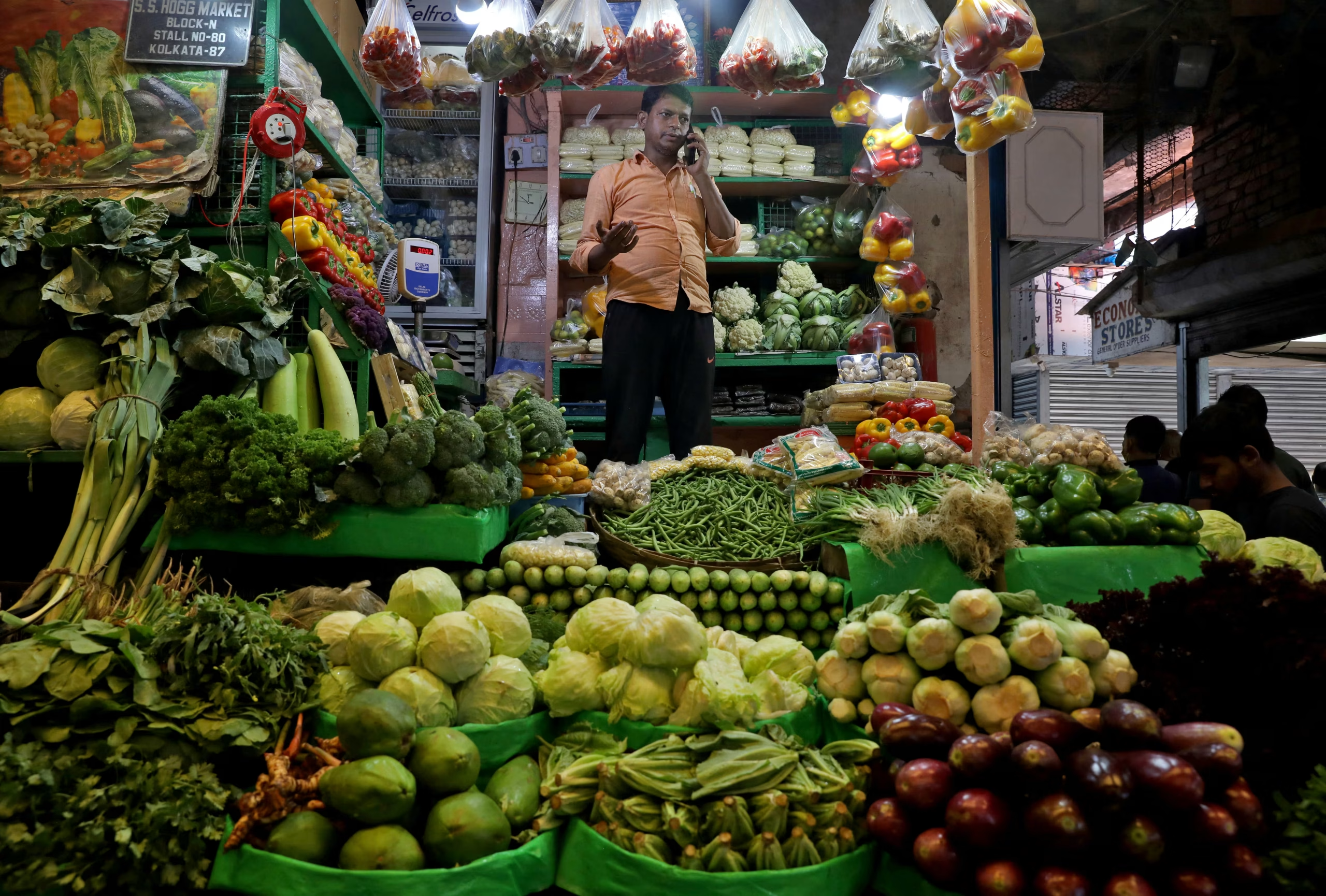
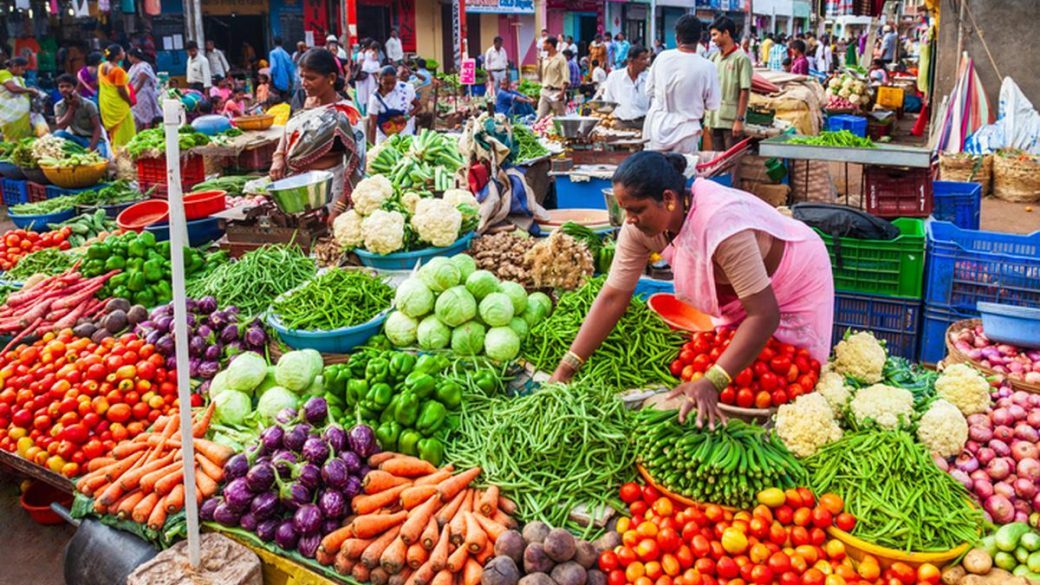
Higher food prices remained the biggest contributor to June’s inflation.
Major factors included:
- Rising vegetable prices.
- Costlier pulses.
- Higher edible oil prices.
- Seasonal supply pressures.
- Uneven monsoon conditions.
Food inflation climbed to 5.32%, reflecting renewed pressure on household budgets after several months of moderation.
Fuel Costs Add to Price Pressures
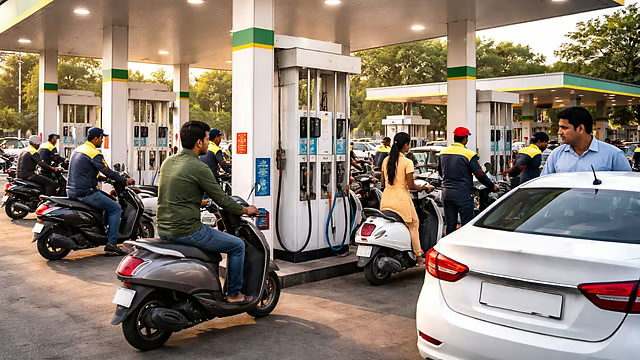
Apart from food, fuel prices also contributed to the rise in inflation.
Contributing factors included:
- Higher fuel prices.
- Increased transportation costs.
- Global crude oil volatility.
- Geopolitical tensions in West Asia.
Transport inflation accelerated as state-run fuel retailers implemented multiple fuel price increases during the month.
Implications for RBI Policy
The inflation data could influence the central bank’s future policy decisions.
| Policy Factor | Possible Impact |
|---|---|
| Inflation above 4% | Reduced room for rate cuts |
| Rising food prices | Increased policy caution |
| Higher fuel costs | Inflation risks remain elevated |
| Inflation within 2–6% band | No immediate policy urgency |
While the RBI kept the policy rate unchanged in its previous meeting, economists believe persistent inflation above the target could strengthen the case for future rate hikes if price pressures continue.
Risks to Watch
Several factors could influence inflation in the coming months.
These include:
- Monsoon performance.
- Global crude oil prices.
- Food supply conditions.
- Geopolitical developments.
- Commodity price movements.
Analysts also point to weather-related risks and energy prices as key variables that could determine the inflation trajectory during the rest of the financial year.
Impact on Consumers
Higher inflation could translate into:
- Increased grocery bills.
- Higher transportation expenses.
- Rising household costs.
- Greater pressure on disposable incomes.
Consumers may continue to face elevated prices if food and fuel inflation remain persistent over the coming months.
Outlook
Economists expect inflation to remain under close watch as geopolitical tensions, crude oil prices, and monsoon conditions continue to influence price trends. While the June reading breached the RBI’s 4% target, it remains within the central bank’s tolerance band, giving policymakers some flexibility. However, sustained inflation above target could prompt a tighter monetary policy stance if underlying price pressures broaden.
What It Means for the Indian Economy
The rise in retail inflation to 4.38% signals that inflationary pressures are re-emerging after a prolonged period of moderation. Although the increase is largely driven by food and fuel prices, it underscores the vulnerability of India’s inflation outlook to external shocks such as higher crude oil prices and adverse weather conditions.
For businesses, higher input costs may compress margins, while consumers could see increased spending on essentials. For the RBI, the latest data reinforces the need to balance inflation control with supporting economic growth, making upcoming inflation and growth readings critical for future monetary policy decisions.
Get the day’s top stories in your inbox
One concise email. No spam, unsubscribe anytime.