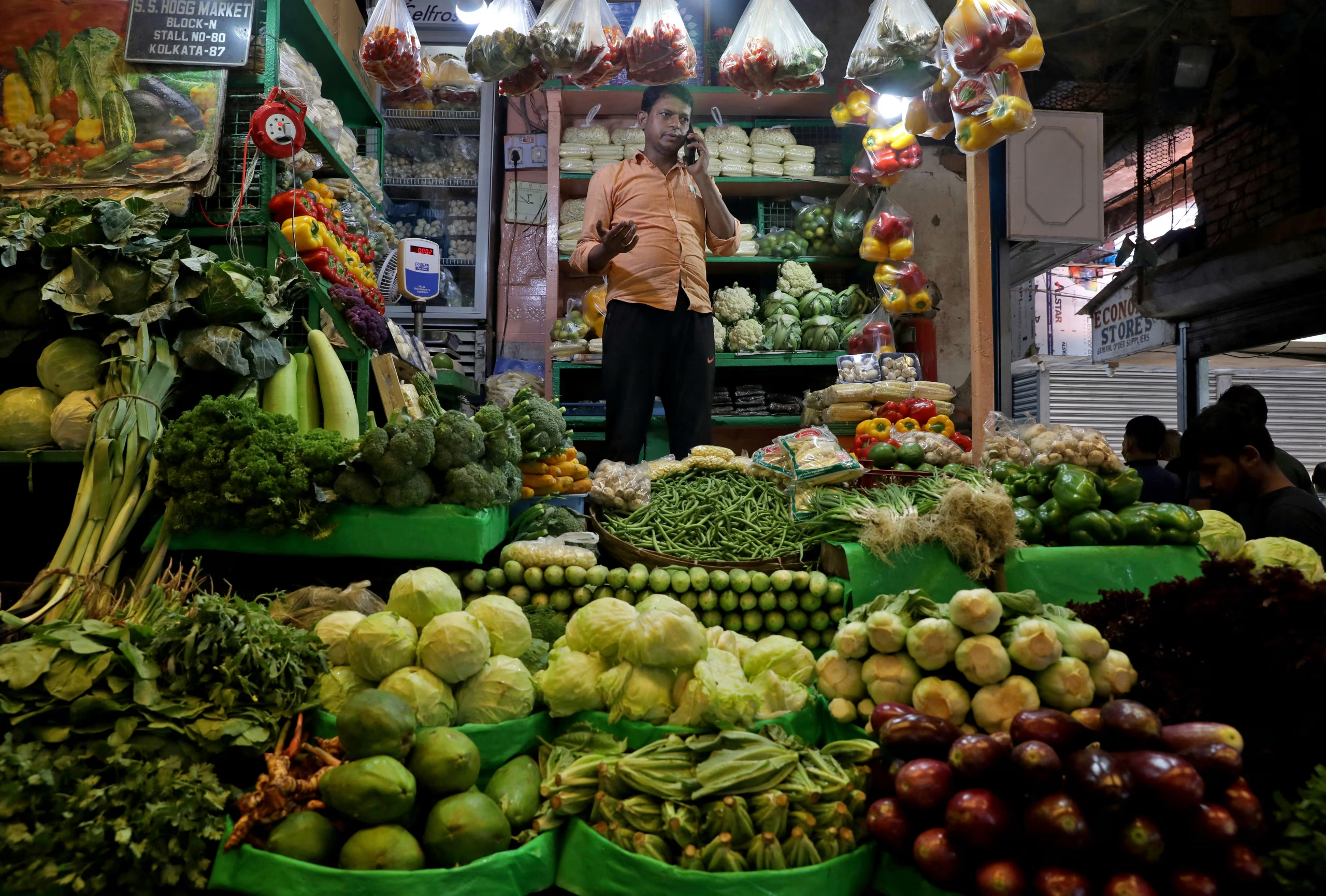
India’s consumer price inflation (CPI) is expected to rise above the Reserve Bank of India’s (RBI) 4% target in the coming months, according to economists and market analysts. After remaining below the central bank’s medium-term target in recent readings, inflationary pressures are anticipated to increase due to a combination of higher food prices, an unfavourable base effect, and seasonal factors.
While inflation is projected to move above 4%, analysts generally expect it to remain within the RBI’s tolerance band of 2% to 6%. The outlook will be closely monitored by policymakers as they assess the future path of interest rates and monetary policy.
Inflation Expected to Move Above RBI’s Target
Economists believe headline CPI inflation is likely to climb above 4% over the next few months.
| Inflation Outlook | Details |
|---|---|
| Expected trend | Rise above 4% |
| RBI inflation target | 4% |
| RBI tolerance band | 2%–6% |
| Key drivers | Food prices, base effect, seasonal pressures |
The anticipated increase follows a period of relatively moderate inflation, supported by easing food prices earlier this year.
Food Prices Remain the Biggest Driver
Food inflation is expected to play a major role in pushing overall prices higher.
Factors contributing to the increase include:
- Seasonal fluctuations in vegetable prices.
- Higher prices of pulses.
- Rising edible oil costs.
- Weather-related supply disruptions.
- Increased demand during festive periods.
Since food accounts for a significant share of India’s CPI basket, even modest increases can have a noticeable impact on headline inflation.
Base Effect Could Lift Inflation
Apart from food prices, the base effect is expected to contribute to higher inflation readings.
The base effect refers to comparisons with unusually low inflation during the same period last year, which can make current inflation appear higher even if monthly price increases remain moderate.
This statistical effect is expected to influence inflation data over the coming months.
What It Means for RBI Policy
The RBI will closely monitor inflation trends while balancing the need to support economic growth.
Key considerations include:
- Food price movements.
- Core inflation trends.
- Monsoon performance.
- Global commodity prices.
- Crude oil prices.
| Policy Factor | Potential Impact |
|---|---|
| Higher inflation | May reduce scope for further rate cuts |
| Stable inflation | Supports accommodative policy |
| Food price volatility | Increases uncertainty |
| Oil prices | Influences imported inflation |
Market participants will watch upcoming RBI meetings for any changes in the central bank’s policy stance.
Global Factors Also Matter
External developments could also influence India’s inflation outlook.
Important global risks include:
- Crude oil price fluctuations.
- Geopolitical tensions.
- Shipping and logistics costs.
- Currency movements.
- Commodity price volatility.
Higher energy prices, in particular, could increase transportation and manufacturing costs across the economy.
Inflation Still Expected to Stay Within Target Band
Despite forecasts of inflation moving above 4%, most economists do not expect a sharp acceleration.
Current projections suggest:
- Inflation may temporarily exceed the RBI’s target.
- It is likely to remain below the upper tolerance limit of 6%.
- Core inflation could remain relatively stable.
- Supply-side improvements may help moderate future price pressures.
This would allow the RBI greater flexibility than during previous periods of elevated inflation.
Impact on Consumers
Higher inflation could affect household budgets through:
- Increased grocery expenses.
- Higher transportation costs.
- Rising restaurant prices.
- Costlier household essentials.
- Reduced purchasing power.
However, if inflation remains moderate, the overall impact on consumer spending may be limited.
Outlook
Economists expect inflation to remain manageable despite moving above the RBI’s 4% target. The trajectory will largely depend on food prices, the progress of the monsoon, global commodity markets, and domestic supply conditions.
Upcoming CPI releases will provide clearer guidance on whether the increase represents a temporary seasonal rise or the beginning of a more sustained inflation trend.
What It Means for the Economy
A rise in inflation above 4% would not necessarily indicate a return to high inflation but would signal that price pressures are normalizing after a period of unusually low readings. As long as inflation remains within the RBI’s 2%–6% tolerance band, policymakers are expected to retain flexibility in supporting economic growth while remaining vigilant about emerging price risks.
For businesses and consumers, moderate inflation could lead to slightly higher costs, but it would also reflect continued economic activity and demand. The RBI’s future policy decisions will depend on whether inflation proves temporary or becomes more persistent in the months ahead.
Get the day’s top stories in your inbox
One concise email. No spam, unsubscribe anytime.