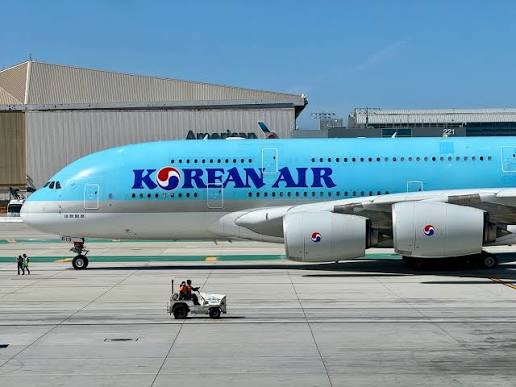
Korean Air reported a 34% year-on-year decline in second-quarter operating profit, as sharply higher fuel costs weighed on earnings despite the airline posting its highest-ever second-quarter revenue. Strong passenger traffic, growing transit demand, and a surge in cargo shipments helped lift revenue to a record level, underscoring resilient travel demand even as operating expenses increased.
The South Korean flag carrier said operating profit for the April–June quarter fell to 261.8 billion won (about $174.5 million) from 398.9 billion won a year earlier. However, quarterly revenue climbed 26% year-on-year to a record 5.02 trillion won, reflecting robust performance across both passenger and cargo operations.
Profit Declines Despite Record Revenue
Higher fuel expenses offset the benefits of rising demand and higher sales.
| Q2 2026 Performance | Details |
|---|---|
| Operating profit | 261.8 billion won |
| Year-on-year change | -34% |
| Revenue | 5.02 trillion won |
| Revenue growth | +26% YoY |
The results highlight the impact of rising operating costs on airline profitability even during periods of strong demand.
Fuel Costs Pressure Earnings
The primary reason for the decline in profit was a sharp increase in aviation fuel costs.
Key factors affecting profitability included:
- Higher jet fuel prices.
- Increased operating expenses.
- Geopolitical disruptions affecting energy markets.
- Elevated aviation cost environment.
Fuel remains one of the largest operating expenses for airlines, making profitability highly sensitive to oil price movements.
Passenger Business Continues to Grow
Passenger operations remained strong during the quarter.
Growth drivers included:
- Increased inbound tourism.
- Higher international travel demand.
- Strong transit passenger traffic.
- Recovery across key international routes.
Passenger revenue rose approximately 19% year-on-year to 2.85 trillion won, reflecting healthy demand despite higher ticket prices driven by fuel surcharges.
Cargo Business Gets AI Boost
Cargo operations delivered particularly strong growth.
Major contributors included:
- AI-related semiconductor shipments.
- Strong exports of South Korean beauty products.
- Stable global logistics demand.
- Higher air freight volumes.
| Cargo Performance | Details |
|---|---|
| Cargo revenue | 1.54 trillion won |
| Year-on-year growth | +46% |
The company said demand linked to global investments in artificial intelligence continued to support its cargo business.
Geopolitical Events Influence Demand
Korean Air noted that geopolitical developments also affected travel patterns.
These included:
- Increased transit demand.
- Route adjustments.
- Shifts in international passenger flows.
- Higher fuel price volatility.
Some transit traffic benefited from disruptions affecting travel routes through parts of the Middle East.
Outlook for the Third Quarter
The airline expects operating conditions to improve during the current quarter.
Key expectations include:
- Peak summer travel demand.
- Lower fuel surcharges.
- Continued cargo strength.
- Stable international passenger growth.
Management also plans to focus on high-growth cargo segments, particularly those tied to AI infrastructure and advanced technology industries.
Airline Industry Faces Cost Challenges
While passenger demand remains healthy globally, airlines continue to face several headwinds.
These include:
- Fuel price volatility.
- Geopolitical uncertainty.
- Currency fluctuations.
- Rising operating costs.
Carriers are increasingly relying on premium travel demand and high-value cargo shipments to protect margins.
What It Means for the Aviation Industry
Korean Air’s results illustrate the mixed environment facing global airlines. Strong passenger demand and record revenue demonstrate that international travel continues to recover, while cargo operations are benefiting from structural growth in AI infrastructure and high-value technology exports. However, rising fuel costs remain a significant challenge, limiting the ability of airlines to convert higher sales into stronger profits.
For the broader aviation sector, the results highlight the importance of diversified revenue streams. Airlines with balanced passenger and cargo businesses are better positioned to navigate periods of cost inflation, particularly as AI-driven freight demand and international travel continue to support long-term industry growth.
Get the day’s top stories in your inbox
One concise email. No spam, unsubscribe anytime.