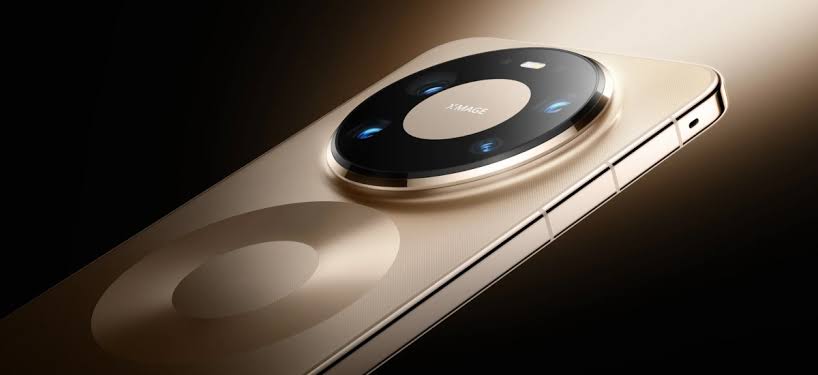
Huawei’s Mate 80 series has reportedly surpassed 7.5 million units in cumulative sales, reinforcing the Chinese technology giant’s resurgence in its home smartphone market. According to market tracking data, the lineup has reached approximately 7.6 million units sold, with the standard Mate 80 emerging as the company’s best-selling smartphone during the first half of 2026.
The milestone highlights Huawei’s continued recovery despite ongoing U.S. trade restrictions, driven by strong demand for its flagship smartphones, proprietary HarmonyOS ecosystem, and in-house Kirin chipsets. The Mate 80 series has played a central role in helping Huawei strengthen its position in China’s premium smartphone segment.
Mate 80 Series Crosses 7.5 Million Sales
The latest figures indicate robust consumer demand for Huawei’s flagship lineup.
| Sales Milestone | Details |
|---|---|
| Total sales | Over 7.5 million units |
| Estimated shipments | Around 7.6 million units |
| Best-selling model | Huawei Mate 80 |
| Primary market | China |
The sales momentum suggests Huawei continues to benefit from strong domestic brand loyalty and premium smartphone demand.
Standard Mate 80 Leads the Lineup
According to market analysts, the base Mate 80 model has become Huawei’s strongest-performing smartphone during the first half of 2026.
Factors contributing to its popularity include:
- Competitive flagship pricing.
- Premium camera capabilities.
- HarmonyOS ecosystem integration.
- Kirin processor performance.
- Strong battery life.
- AI-powered software features.
The standard model has reportedly accounted for a significant share of the series’ total shipments.
Huawei Continues Its Comeback
The Mate 80 series demonstrates Huawei’s growing momentum in the Chinese smartphone market.
Growth drivers include:
- Expanding HarmonyOS ecosystem.
- Improved in-house semiconductor capabilities.
- Strong domestic consumer demand.
- Premium smartphone positioning.
- AI-enhanced user experience.
Huawei has steadily regained market share following several years of supply chain challenges.
AI and HarmonyOS Strengthen Appeal
Artificial intelligence remains a major focus across Huawei’s flagship devices.
Key software capabilities include:
- AI photography.
- Intelligent productivity tools.
- Smart device connectivity.
- Enhanced system optimization.
- Cross-device collaboration.
HarmonyOS continues to serve as a key differentiator by integrating smartphones with Huawei’s broader ecosystem of tablets, PCs, wearables, and smart devices.
Competition in China’s Premium Smartphone Market
Huawei competes against several leading brands in the premium segment.
| Brand | Competitive Focus |
|---|---|
| Huawei | HarmonyOS, AI, premium hardware |
| Apple | iOS ecosystem, premium devices |
| Xiaomi | Performance and value |
| Honor | Premium Android smartphones |
| OPPO | Camera and design innovation |
Competition remains intense as manufacturers invest heavily in AI features and flagship hardware.
China’s Smartphone Market Shows Mixed Trends
While Huawei has continued to gain momentum, China’s overall smartphone market has faced softer demand amid cautious consumer spending.
Recent industry data indicates:
- Slower overall smartphone sales.
- Higher component costs.
- Increased focus on premium devices.
- Growing AI feature adoption.
Huawei has been one of the few major manufacturers to record year-on-year sales growth during this period.
Outlook
With sales already surpassing 7.5 million units, the Mate 80 series is expected to remain one of Huawei’s most successful flagship smartphone families. Continued demand for premium AI-enabled devices, combined with the expansion of HarmonyOS and further improvements in Huawei’s semiconductor capabilities, could help sustain its growth in the Chinese market.
What It Means for the Smartphone Industry
The Mate 80 series’ strong sales performance highlights Huawei’s successful recovery in China’s premium smartphone market despite ongoing geopolitical and supply chain challenges. By combining proprietary chips, HarmonyOS, and AI-driven features, Huawei has built a competitive ecosystem that continues to resonate with domestic consumers.
For the broader smartphone industry, Huawei’s momentum underscores the growing importance of ecosystem integration and artificial intelligence as key differentiators. As manufacturers increasingly compete on AI capabilities rather than hardware alone, flagship smartphones are evolving into intelligent platforms that connect users across multiple devices and digital services.
Get the day’s top stories in your inbox
One concise email. No spam, unsubscribe anytime.