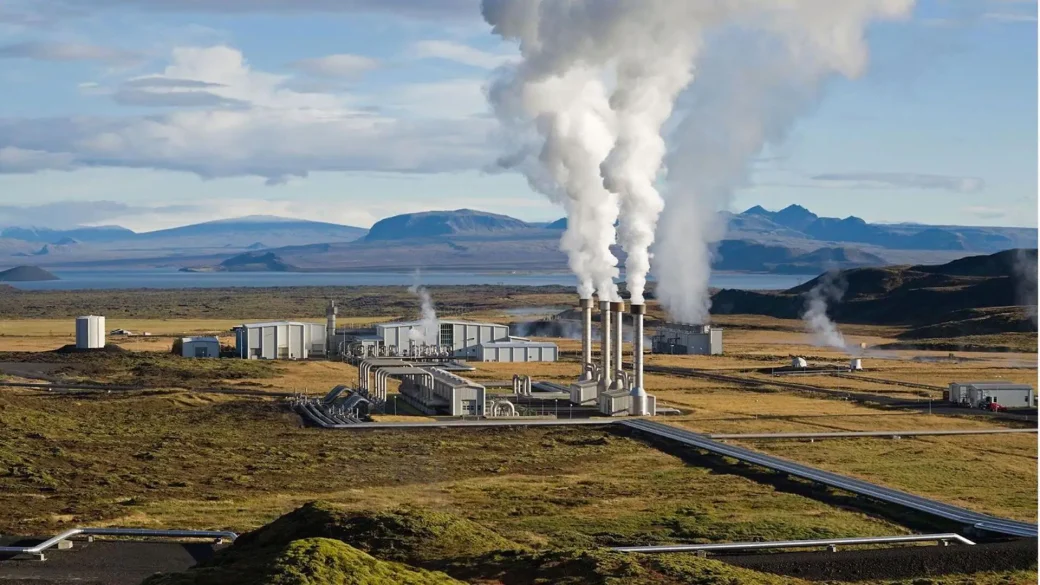
India is moving closer to commissioning its first geothermal power plant, marking a significant milestone in the country’s transition toward clean and renewable energy. The proposed project, expected to be located in Ladakh’s Puga Valley, aims to harness naturally occurring geothermal heat beneath the Earth’s surface to generate electricity, reducing dependence on fossil fuels while providing a stable source of renewable power.
Unlike solar and wind energy, geothermal power can produce electricity around the clock, making it an attractive option for strengthening India’s renewable energy mix. If the project becomes operational as planned, it would pave the way for future geothermal developments in other resource-rich regions of the country.
India’s First Geothermal Power Plant Nears Reality
The project is expected to demonstrate the commercial viability of geothermal energy in India.
| Project Overview | Details |
|---|---|
| Technology | Geothermal power |
| Proposed location | Puga Valley, Ladakh |
| Energy source | Heat from beneath the Earth’s surface |
| Status | Expected to become operational soon |
The plant is intended to serve as a pilot for future geothermal projects across India.
How Geothermal Energy Works
Geothermal power plants generate electricity by utilizing heat stored beneath the Earth’s crust.
The process typically involves:
- Drilling deep wells.
- Extracting hot water or steam.
- Driving turbines with steam.
- Generating electricity.
- Reinjecting cooled water underground.
Because the Earth’s internal heat is continuously replenished, geothermal energy is considered a renewable resource.
Why Ladakh?
Puga Valley has long been identified as one of India’s most promising geothermal regions.
Key advantages include:
- High geothermal activity.
- Naturally occurring hot springs.
- Significant underground heat resources.
- Suitable geological conditions.
- Low population density.
Scientists have studied the area’s geothermal potential for decades, making it the leading candidate for India’s first commercial project.
Benefits of Geothermal Power
Geothermal energy offers several advantages over other renewable sources.
These include:
- Continuous 24/7 electricity generation.
- Low greenhouse gas emissions.
- Small land footprint.
- High reliability.
- Reduced dependence on imported fuels.
- Long operational lifespan.
| Energy Source | Availability |
|---|---|
| Solar | Daytime only |
| Wind | Weather-dependent |
| Geothermal | Continuous baseload power |
This makes geothermal energy a valuable complement to intermittent renewable sources.
Supporting India’s Clean Energy Goals
The project aligns with India’s broader renewable energy ambitions.
Potential contributions include:
- Diversifying renewable energy sources.
- Improving energy security.
- Reducing carbon emissions.
- Supporting remote regions.
- Strengthening grid reliability.
As electricity demand continues to grow, geothermal energy could provide an additional source of stable, low-carbon power.
Challenges to Expansion
Despite its potential, geothermal development faces several hurdles.
Key challenges include:
- High exploration costs.
- Geological uncertainty.
- Drilling complexity.
- Limited domestic expertise.
- Infrastructure requirements.
- Financing for early-stage projects.
These factors have slowed commercial geothermal development in India compared with solar and wind energy.
Future Potential
India possesses geothermal resources in several regions beyond Ladakh.
Areas with identified potential include:
- Himachal Pradesh.
- Uttarakhand.
- Jammu & Kashmir.
- Chhattisgarh.
- Gujarat.
- Maharashtra.
- Andaman & Nicobar Islands.
Successful operation of the first project could encourage further exploration and investment nationwide.
Outlook
The commissioning of India’s first geothermal power plant would represent an important step toward broadening the country’s renewable energy portfolio. While geothermal energy is unlikely to replace solar or wind in the near future, it could become an important source of reliable baseload electricity, particularly in geologically suitable regions.
Continued technological advances and supportive government policies could accelerate geothermal development as India works toward its long-term clean energy and net-zero ambitions.
What It Means for India’s Energy Transition
The launch of India’s first geothermal power plant would mark the country’s entry into a new segment of renewable energy. Unlike weather-dependent renewable sources, geothermal power provides continuous electricity generation, making it valuable for improving grid stability while reducing carbon emissions.
For India, successful commercialization of geothermal energy could unlock additional investment in underground energy resources, diversify the renewable energy mix, and strengthen long-term energy security. Although the sector is still at an early stage, the project could serve as a foundation for future geothermal development across regions with suitable geological conditions.
Get the day’s top stories in your inbox
One concise email. No spam, unsubscribe anytime.