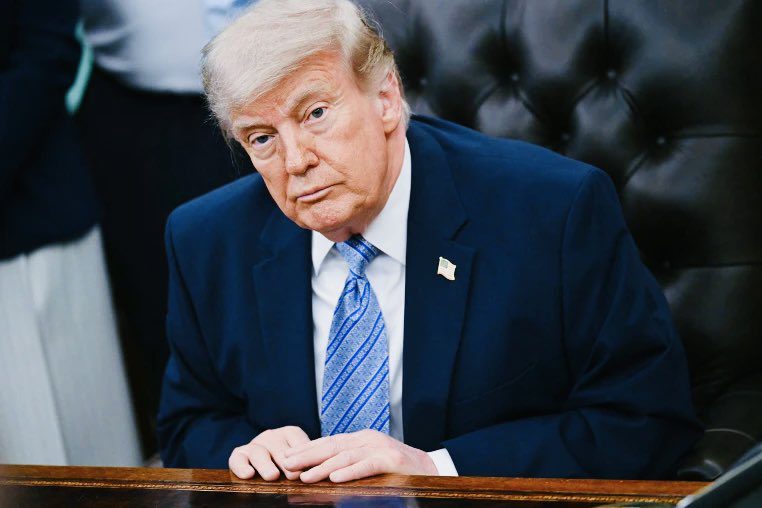
U.S. President Donald Trump has said the United States should control the Strait of Hormuz and be compensated for securing it, arguing that Washington is effectively acting as the “guardian” of one of the world’s most important energy shipping routes. His remarks come amid escalating tensions in the Middle East and renewed concerns over the safety of commercial vessels transiting the strategic waterway.
Trump suggested that wealthy U.S. allies benefiting from secure oil shipments should help cover the costs of maintaining safe passage through the strait. His comments follow heightened military tensions involving Iran and renewed disruptions to maritime traffic in the region, which have pushed global crude oil prices higher.
Trump Calls for U.S. Control of the Strait
Speaking during a media interview, Trump argued that the United States plays the primary role in protecting commercial shipping through the Strait of Hormuz.
| Key Statement | Details |
|---|---|
| Speaker | U.S. President Donald Trump |
| Proposal | U.S. should control the Strait of Hormuz |
| Additional demand | Allies should compensate the U.S. for securing the route |
| Rationale | Protect global energy shipments |
Trump described the U.S. as the potential “guardian angel” of the strategic waterway.
Why the Strait of Hormuz Matters
The Strait of Hormuz is one of the world’s most strategically important maritime chokepoints.
Its importance stems from:
- Large share of global oil exports.
- Major LNG shipments.
- Critical trade route connecting Gulf producers to global markets.
- Importance for Asian energy-importing economies.
Any disruption to shipping through the strait can quickly affect global energy prices and supply chains.
Geopolitical Tensions Continue
Trump’s comments come amid heightened tensions involving the United States and Iran.
Recent developments include:
- Military exchanges in the region.
- Concerns over commercial shipping safety.
- Renewed uncertainty surrounding maritime access.
- Rising geopolitical risk in energy markets.
The security situation has increased volatility across commodity and financial markets.
Oil Markets React
Concerns over the Strait of Hormuz have already influenced global energy prices.
| Market Impact | Potential Effect |
|---|---|
| Crude oil | Higher prices |
| Shipping | Increased insurance and freight costs |
| Energy markets | Greater volatility |
| Inflation | Upward pressure if disruptions persist |
The Strait remains one of the most closely watched locations for global oil traders.
Impact on Energy-Importing Countries
Countries heavily dependent on imported crude oil could be affected by prolonged instability.
Potential consequences include:
- Higher fuel import bills.
- Increased transportation costs.
- Rising inflation.
- Pressure on trade balances.
India, China, Japan, and South Korea are among the largest importers of crude oil transported through the Strait of Hormuz.
International Implications
Trump’s proposal raises broader questions about maritime security and international cooperation.
Key issues include:
- Freedom of navigation.
- Burden-sharing among allies.
- International maritime law.
- Regional security arrangements.
Any significant change to the governance or security of the strait would likely require extensive diplomatic engagement among regional and global stakeholders.
Outlook
The future of the Strait of Hormuz will remain closely tied to developments in the broader Middle East security environment. While commercial shipping continues to operate, ongoing geopolitical tensions are expected to keep energy markets on edge. Investors, governments, and shipping companies will continue monitoring the situation for any signs of further disruption or diplomatic progress.
What It Means for Global Energy Markets
Trump’s remarks underscore the strategic importance of the Strait of Hormuz, a maritime corridor that remains vital to global energy security. Any debate over its control or security arrangements has implications far beyond the Middle East, affecting oil prices, shipping costs, inflation, and the economies of both energy exporters and importers.
For countries reliant on Gulf energy supplies, maintaining uninterrupted navigation through the strait remains a priority. While Trump’s proposal reflects one possible approach to securing the route, any changes to its management would depend on complex geopolitical negotiations and international legal considerations.
Get the day’s top stories in your inbox
One concise email. No spam, unsubscribe anytime.