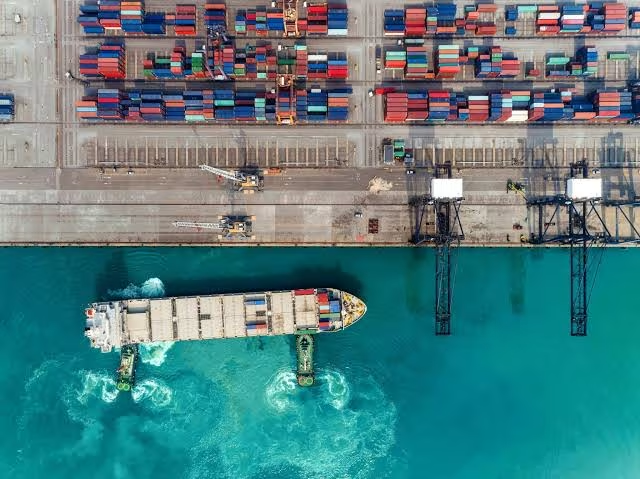
Dubai is reportedly planning to develop a new deep-water port and logistics corridor designed to reduce reliance on the Strait of Hormuz, one of the world’s busiest and most strategically important maritime chokepoints. The initiative is intended to strengthen the emirate’s trade resilience by creating alternative routes for cargo movement amid rising geopolitical tensions and periodic disruptions to shipping through the Gulf.
The proposal comes as concerns over maritime security in the Strait of Hormuz have intensified, prompting governments and logistics companies to explore infrastructure that can diversify trade routes and improve supply chain reliability. If implemented, the project would reinforce the UAE’s position as a global logistics and transshipment hub.
Dubai Eyes Alternative Trade Route
The proposed infrastructure aims to reduce dependence on the Strait of Hormuz for regional cargo movement.
| Project Overview | Details |
|---|---|
| Location | Dubai, United Arab Emirates |
| Project | New deep-water port and logistics corridor |
| Objective | Reduce reliance on the Strait of Hormuz |
| Strategic focus | Trade resilience and supply chain security |
The project is part of broader efforts to strengthen the UAE’s logistics infrastructure and safeguard international trade.
Why the Strait of Hormuz Matters
The Strait of Hormuz is among the world’s most critical maritime routes.
Its strategic importance includes:
- Transit of a significant share of global crude oil exports.
- Major liquefied natural gas (LNG) shipments.
- Key shipping route linking Gulf producers with global markets.
- Vital corridor for Asian energy imports.
Any disruption to shipping through the strait can quickly affect global energy markets and supply chains.
Why Dubai Wants an Alternative
The proposed port and logistics network are intended to improve operational flexibility.
Key objectives include:
- Reducing geopolitical risk.
- Ensuring uninterrupted trade.
- Enhancing supply chain resilience.
- Supporting long-term economic growth.
- Strengthening logistics competitiveness.
Alternative infrastructure could help maintain cargo flows during periods of regional instability.
Strengthening the UAE’s Logistics Position
The UAE has invested heavily in transport and logistics infrastructure over the past two decades.
| Strategic Asset | Purpose |
|---|---|
| Ports | Global trade and transshipment |
| Airports | International cargo and passenger traffic |
| Free zones | Manufacturing and trade facilitation |
| Logistics corridors | Faster regional connectivity |
A new port would complement the country’s existing transport network and reinforce its role in international commerce.
Economic Benefits
The proposed project could generate several long-term advantages.
Potential benefits include:
- Increased cargo handling capacity.
- Higher trade volumes.
- New investment opportunities.
- Job creation.
- Improved supply chain efficiency.
- Greater resilience against regional disruptions.
It may also strengthen Dubai’s attractiveness as a regional distribution center for multinational companies.
Challenges Ahead
Large-scale infrastructure projects of this nature involve significant planning and investment.
Key considerations include:
- Capital expenditure.
- Environmental approvals.
- Integration with existing transport networks.
- Regional coordination.
- Commercial viability.
The project’s timeline and implementation will depend on regulatory approvals and infrastructure planning.
Impact on Global Shipping
If completed, the new port could:
- Diversify regional shipping routes.
- Reduce congestion risks.
- Improve trade continuity.
- Enhance logistics flexibility.
However, the Strait of Hormuz would remain a vital global energy corridor due to the concentration of oil and gas exports from Gulf producers.
Outlook
Dubai’s proposed port project reflects a broader global trend toward building more resilient supply chains and reducing dependence on strategic chokepoints. As geopolitical risks continue to influence global trade, investments in alternative logistics infrastructure are expected to become increasingly important for governments and businesses alike.
What It Means for Global Trade
The proposed port highlights the growing emphasis on supply chain resilience in an increasingly uncertain geopolitical environment. While the Strait of Hormuz is expected to remain one of the world’s most important maritime routes, developing complementary infrastructure could help reduce disruption risks and strengthen regional trade networks.
For the UAE, the initiative would further reinforce its ambition to remain one of the world’s leading logistics and maritime hubs. If successfully implemented, the project could enhance trade efficiency, attract additional investment, and improve the long-term resilience of cargo movement across the Gulf region.
Get the day’s top stories in your inbox
One concise email. No spam, unsubscribe anytime.