Key takeaways
- Private airports want the government to end temporary airport charge relief for airlines.
- The relief cut some landing and parking fees during a hard time for air travel.
- Airport operators now say traffic has recovered, so the fee cuts should not stay.
- If the relief ends, airlines could face higher costs, and that may affect fares later.
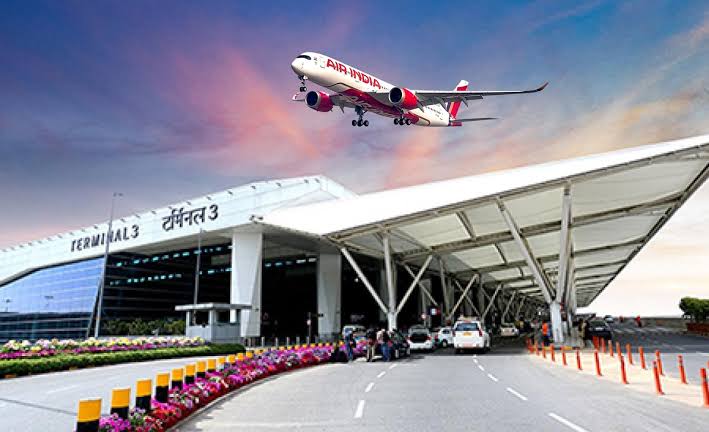
Airport charge relief is a temporary cut in airport fees that airlines pay. These fees include landing and parking charges. Private airports in India now want that airport charge relief rolled back because air travel has recovered. That sets up a new fight over who should carry the cost.
The issue matters because airports and airlines depend on each other, but they make money in different ways. Airlines earn from tickets and cargo. Airports earn from fees, shops, parking, and food stalls. When one side gets relief, the other side often feels the pinch.
Why are private airports asking to end airport charge relief?
Private airport operators told the government that the temporary fee relief was meant for an emergency period. That emergency has passed, they argue, since domestic and international traffic has climbed back. In simple terms, they say the discount did its job and should now stop.
Landing charges are fees airlines pay when a plane uses the runway. Parking charges are fees for keeping an aircraft at the airport stand. These are basic airport bills, like paying to use a bus station or car park, just on a much bigger scale.
Many airports took a hit during the pandemic years because flights fell sharply. Planes stayed grounded, terminals went quiet, and shops inside airports earned less. So regulators and officials supported measures that gave airlines breathing room.
Now airport companies say the picture looks different. Passenger traffic has improved, planes are fuller, and travel demand is stronger. As a result, they want policymakers to review the discount and let normal charges return.
Who decides airport charge relief in India?
India does not let airports set every fee on their own. A regulator called AERA oversees tariffs at major airports. Tariff means the official rate card for services. It is basically the approved price list.
The civil aviation ministry also shapes the policy mood, while airport operators and airlines lobby for their side. That means airport charge relief is not just a business issue. It is also a policy choice about how to balance airport finances and airline costs.
Private airports say they still face heavy spending needs. They must run terminals, maintain runways, pay staff, and fund future expansion. Those are not small bills, especially at busy airports handling millions of passengers each year.
Airlines, of course, see the same problem from the other side. Fuel is expensive, aircraft leases cost a lot, and ticket prices are very competitive. A lease is like long-term rent for an aircraft. If airport charges rise, carriers may say their costs are getting squeezed again.
What could happen if airport charge relief is removed?
If the relief goes, airlines may have to pay more per flight at private airports. That does not always mean ticket prices jump the next day. But over time, extra costs can show up in fares, route decisions, or pressure on airline profits.
Think of it like a school canteen raising stall rent. The snack seller might not raise prices at once, but it becomes more likely later. In aviation, even small cost changes matter because airlines run on thin margins.
India is one of the world’s fastest-growing air travel markets. In recent years, domestic passenger traffic has crossed 15 crore trips annually. That is a huge number, so even a modest fee change can ripple across many routes.
Here is a simple snapshot of the tug-of-war around airport charge relief:
| Side | What it wants | Why |
|---|---|---|
| Private airports | End temporary fee relief | Traffic recovered and costs remain high |
| Airlines | Keep lower charges longer | Fuel, leases, and competition hurt margins |
| Regulator/government | Balance both sides | Protect growth without hurting infrastructure |
The debate also links to a bigger question: who pays for aviation growth? India needs more terminals, gates, parking bays, and smoother cargo systems. You can see that wider push in our report on cargo transshipment trials at Delhi airport.
How big is the money problem for airports and airlines?
Airports handle giant fixed costs. Fixed costs are bills that stay high even if traffic drops. Runway upkeep, safety systems, security staff, and terminal operations must continue whether 100 flights land or 10.
Airlines face a similar crunch. Aviation turbine fuel can make up around 30% to 40% of an airline’s operating cost. Operating cost means the day-to-day money needed to keep flights running. So any extra airport bill lands on an already expensive business.
Key pressure pointsAirporttrafficFuel share30-40%Fee relieftemporary
The chart is simple, but the message is clear. Traffic has bounced back, fuel costs stay high, and the fee relief was always framed as temporary. That is why this dispute has surfaced now.
Some private airports also argue that keeping discounts too long can distort the market. Distort means it changes normal price signals. In plain words, airports fear they are carrying a support measure that no longer fits current demand.
Why does this matter beyond airport fees?
This fight is really about India’s travel growth model. The country wants more flights, lower fares, and better airports at the same time. That sounds great, but someone must pay for the system behind those goals.
If airport operators earn less, expansion plans can slow. If airlines pay more, they may cut weaker routes or avoid fare wars. Meanwhile, passengers just want safe flights and fair prices.
The timing is also important because travel demand has stayed firm despite cost shocks. We have already seen how policy shifts can change transport markets in other sectors too, for example in our piece on the petrol and diesel sale curbs for commercial buyers.
A quotable bottom line is this:
Private airports say temporary airline fee relief should end because traffic has recovered, while airlines want costs kept low so tickets and routes stay viable.
What should readers watch next on airport charge relief?
Watch for any formal move by the civil aviation ministry or AERA. A formal order would matter more than industry lobbying. You can track tariff and consultation updates on the Ministry of Civil Aviation website as well.
Also watch what airlines say publicly in earnings calls and policy forums. If several carriers warn about rising airport bills, that will show how serious the impact may be. If airports win, the next debate will be about how quickly higher charges return.
This story also sits beside wider infrastructure and investment trends. We covered one such financing angle in our report on the IIFCL loan plan for a $1 billion push. Big transport systems often depend on both policy support and strong cash flow.
FAQs
What is airport charge relief?
Airport charge relief is a temporary cut in fees airlines pay to airports. It mainly covers landing and parking charges.
Why do private airports want it removed?
They say the relief was for a crisis period, and traffic has now recovered. So they want approved charges to return to normal.
How could this affect passengers?
Passengers may not see instant fare hikes. But if airline costs rise, some ticket prices or routes could change later.