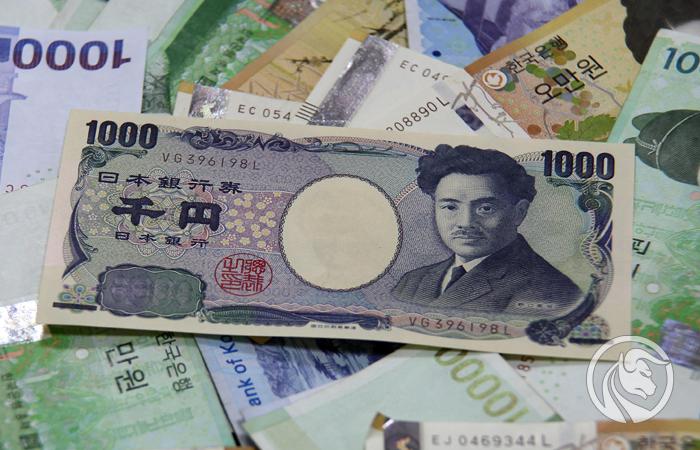
The Japanese yen remains under heavy pressure, hovering around 162.20 per dollar—a multi-decade low not seen since December 1986. The prolonged slump highlights a stark test of resolve for Tokyo’s financial authorities as traders test the boundaries of potential state intervention.
1. The Core Pressure Points
The historic decline underscores deep structural challenges that unilateral currency intervention struggles to resolve:
- The Macro Gap: The primary driver remains the wide interest rate differential between Japan and the United States. While the Bank of Japan recently hiked interest rates to a 31-year high of 1.00%, the U.S. Federal Reserve has held borrowing costs elevated to battle inflation. This vast gap continues to fuel lucrative carry trades, where investors borrow cheap yen to chase higher-yielding dollar assets.
- The Energy Factor: As a resource-poor nation dependent on the Middle East for over 90% of its supply, Japan’s economy absorbs a heavy blow when a weaker currency dramatically inflates the import costs of dollar-traded commodities like oil.
- The Equity Market Paradox: Paradoxically, a record-breaking rally in Tokyo’s Nikkei 225 has added downward pressure. Foreign funds rushing to buy into Japanese AI and semiconductor companies are systematically executing currency hedges to protect their gains, creating a steady stream of passive yen-selling.
2. Emboldened Speculators and the “Surprise” Trap
Japanese authorities spent a record $72.25 billion (approx. 11.7 trillion yen) during intervention rounds across April and May. However, the market has completely erased those gains. Speculators have built net-short positions back up toward a two-year high of $11.3 billion, betting that Tokyo cannot easily fight the macroeconomic tide.
Plaintext
[ TOKYO'S CHANGING INTERVENTION PLAYBOOK ]

  Pre-April Strategy: Verbal Warnings ──► Speculators price in the "Line in the Sand"
                                                 │
                                                 ▼
  Current Strategy: Absolute Silence ──► Create an informational vacuum to lure
                                         short-sellers into a localized squeeze
Market strategists note a distinct shift in communication from Vice Minister of Finance for International Affairs Atsushi Mimura (the figure known to markets as “Mr. Yen”). While Finance Minister Satsuki Katayama has stated that Japan stands ready to take “appropriate action at any time,” Mimura has kept uncharacteristically quiet.
Analysts believe this public silence is a deliberate strategy. By letting the currency quietly breach the 162 barrier without traditional verbal warnings, authorities may be attempting to orchestrate a sudden, untelegraphed squeeze to punish overextended short-sellers when liquidity thins.
3. The Fed Conundrum
Ultimately, any intervention by Tokyo acts as a temporary bandage rather than a permanent fix. Currency authorities are closely watching macroeconomic indicators out of Washington. A slowing U.S. jobs market and cooling inflation metrics could give the Federal Reserve room to cut rates later this year. Japanese interventions are historically far more potent when they are supported by a weakening U.S. dollar, rather than swimming upstream against a hawkish Fed.
Get the day’s top stories in your inbox
One concise email. No spam, unsubscribe anytime.