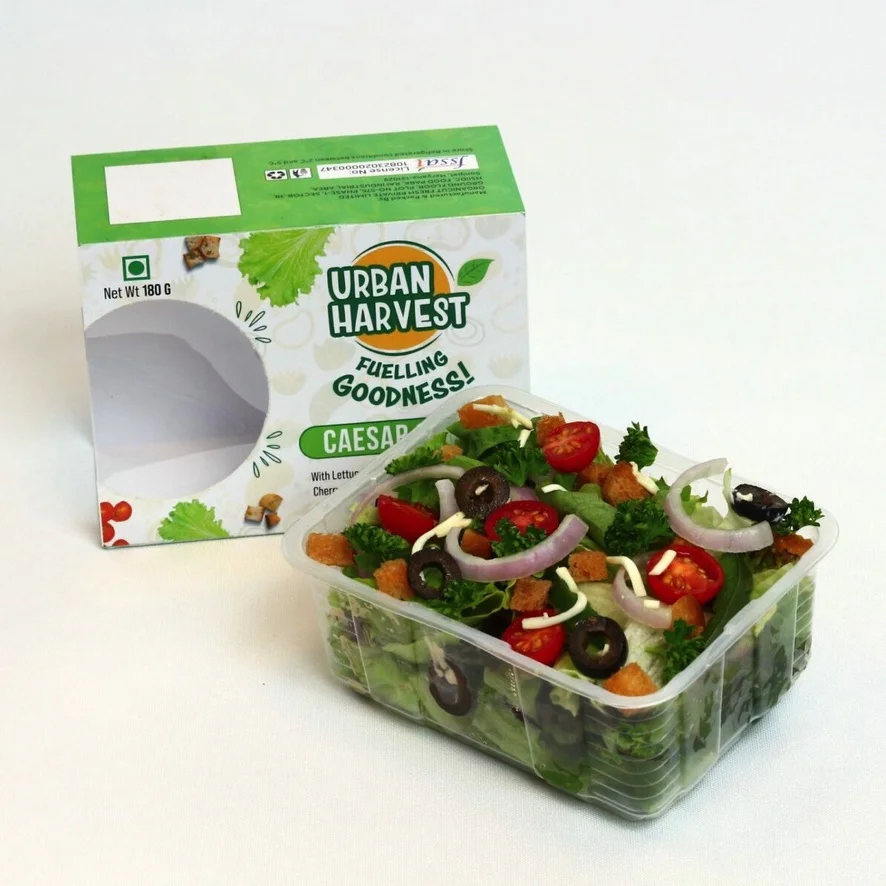
New Delhi-based B2B food-tech platform Urban Harvest is in advanced talks to raise approximately ₹300 crore ($35.5 million) in a fresh funding round. The proposed transaction is set to value the company at ₹1,500 crore, nearly doubling its previous valuation of ₹780 crore from October last year.
The funding round is expected to see participation from existing backer Info Edge, alongside new investors including the family office of Mankind Pharma and prominent angel investor Sandeep Kapadia.
The deal underscores a massive growth run and an aggressive geographic expansion strategy:
1. The Financial Trajectory: Turning Profitable
Unlike many high-growth startups burning cash to scale, Urban Harvest has combined rapid top-line growth with an early transition into profitability:
- FY24 Baseline: Recorded a revenue of ₹46.5 crore.
- FY25 Scale: Revenue climbed to ₹118 crore, while minimizing net losses to just ₹35 lakh.
- FY26 Breakthrough: Revenue surged more than 3x to hit ₹385 crore, with the company crossing into the green to post a net profit of ₹3.5 crore.
- The Forward Target: Founder Sidhantt Suri has stated the company is targeting ₹1,500 crore in revenue for FY27, with projected net profits scaling to ₹40–50 crore by the end of the fiscal year.
2. Challenging Zomato’s Hyperpure in the HoReCa Space
Founded in 2019, Urban Harvest operates as a B2B supply chain engine for the Hotel, Restaurant, and Café (HoReCa) segment. It provides fresh produce, food ingredients, and automated coffee machines directly to cloud kitchens and commercial restaurants.
The procurement ecosystem is increasingly shifting away from fragmented traditional distributors toward automated tech platforms. Urban Harvest positions its delivery framework directly against established sector giants like Zomato’s Hyperpure, deploying two core commercial fulfillment layouts:
- Next-Day Delivery: Standard supply distribution for staples, dry ingredients, and long-tail inventory.
- Just-In-Time Delivery: Tailored rapid-replenishment logistics for volatile fresh produce lines to prevent restaurant stockouts.
3. The Warehouse Infrastructure Blueprint
Unlike consumer-facing quick-commerce players (like Blinkit, Zepto, or Instamart) that deploy dense networks of small, 2,500 to 4,000 sq. ft. “dark stores,” Urban Harvest relies on localized institutional hubs.
The company currently manages five massive regional warehouses spanning 30,000 to 50,000 sq. ft. each, serving roughly 16,000 restaurants monthly across the National Capital Region (NCR), Bengaluru, Ahmedabad, and Bhubaneswar.
Where the ₹300 Crore is Going: Urban Harvest plans to utilize the incoming capital infusion to double its warehouse footprint. The company intends to set up five additional mega-fulfillment facilities to aggressively enter major fresh-consumption metropolitan markets—specifically Delhi, Mumbai, Hyderabad, and Jaipur—while expanding its client onboarding run-rate, which currently sits at 2,000 to 3,500 new restaurant kitchens per month.
The raise lands in a busy funding period for India’s asset-led startups, with capital also flowing into mobility plays such as Zypp Electric’s talks to raise $40–50 million. For Urban Harvest, the bet is that owning warehousing and last-mile logistics for restaurants can sustain both growth and profitability as it expands.
Frequently Asked Questions
What is Urban Harvest?
Urban Harvest is a New Delhi-based B2B food-tech platform founded in 2019. It runs a supply-chain engine for the Hotel, Restaurant, and Café (HoReCa) segment, delivering fresh produce, ingredients, and automated coffee machines to cloud kitchens and restaurants.
How much funding is Urban Harvest raising and at what valuation?
Urban Harvest is in advanced talks to raise about ₹300 crore ($35.5 million). The round is set to value the company at ₹1,500 crore, nearly double its previous ₹780 crore valuation from October last year.
Who is the founder of Urban Harvest?
Sidhantt Suri is the founder of Urban Harvest. He has said the company is targeting ₹1,500 crore in revenue for FY27, with net profits projected to scale to ₹40–50 crore by the end of that fiscal year.