Key takeaways
- Tamil Nadu Peru trade is getting bigger, with India-Peru bilateral trade crossing $10 billion.
- Tamil Nadu has pitched a manufacturing partnership, which means making goods together or building supply chains together.
- The idea could help sectors like auto parts, minerals, textiles, machinery, and clean energy.
- Peru matters because it has key minerals, while Tamil Nadu has strong factories, ports, and export experience.
Tamil Nadu Peru trade is the growing business link between the Indian state and the South American country. It now matters more because India and Peru have crossed $10 billion in two-way trade. Tamil Nadu wants that link to move beyond buying and selling. It wants both sides to make things together.
That pitch sounds simple, but it could be a big shift. Trade is when countries buy and sell goods. Manufacturing partnership means they also build products, share supply chains, and invest in factories. If it works, companies may earn more value instead of only shipping raw materials and finished goods back and forth.
Why is Tamil Nadu pushing Tamil Nadu Peru trade now?
The timing is not random. India and Peru have been building closer trade ties, and the $10 billion mark shows the relationship is no longer small. Tamil Nadu sees a chance to step in early. It wants to be a bridge between Indian industry and Peruvian resources.
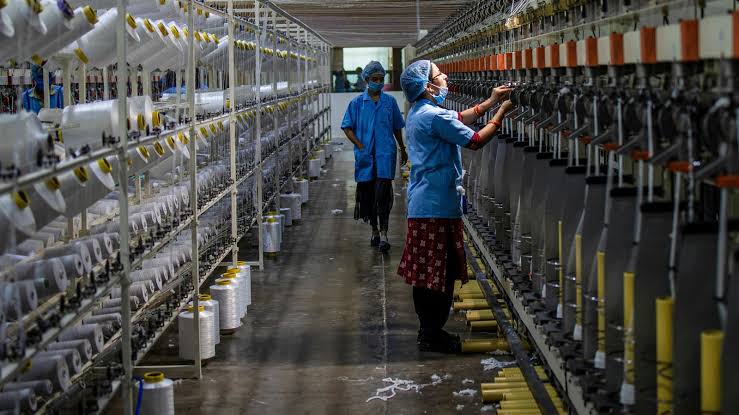
Peru is rich in minerals such as copper, silver, and lithium-linked resources. These matter for batteries, power systems, and electronics. Tamil Nadu, meanwhile, is one of India’s strongest manufacturing hubs. It makes cars, auto parts, textiles, leather goods, machinery, electronics, and more.
So the match is easy to see. Peru can supply key inputs. Tamil Nadu can process, assemble, and export finished products. That matters because global companies now want safer, more diverse supply chains after years of shocks.
A supply chain is the path a product takes from raw material to store shelf. Think of it like a relay race. One place mines the metal, another makes parts, and another assembles the final item.
What could a Tamil Nadu Peru trade partnership look like?
The idea is not just about one giant factory. It could start with business deals, industrial visits, and sector-specific projects. For example, firms in Tamil Nadu could source minerals or farm products from Peru, then turn them into higher-value goods.
It could also work the other way. Peruvian firms may invest in warehousing, food processing, logistics, or light manufacturing in Tamil Nadu. Logistics means moving goods from one place to another. Good logistics save time and money.
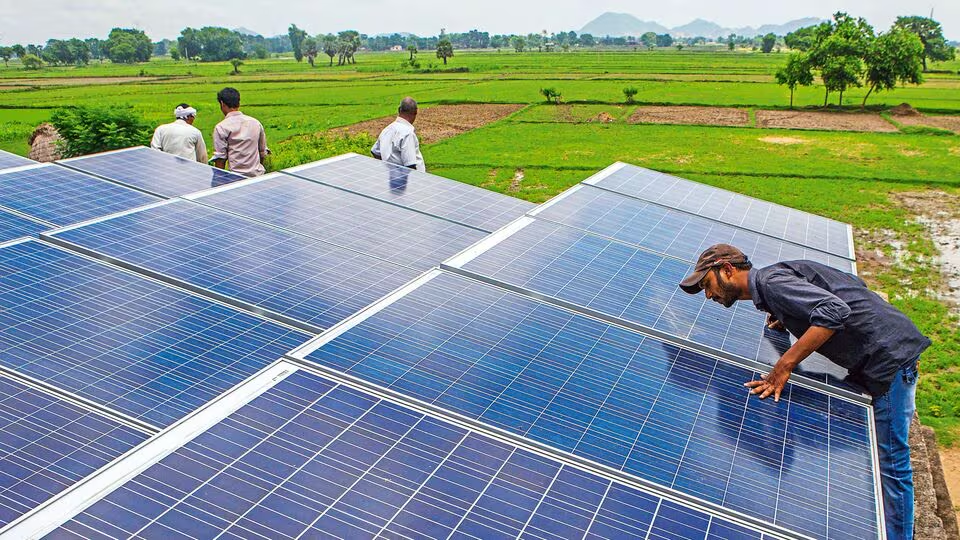
Clean energy could be another area to watch. Copper is used in wires, motors, and power systems. Electric vehicles use a lot of copper, so a stronger raw-material link could help India’s EV push.
Tamil Nadu already has a strong base in mobility and industry. That is why this proposal fits the state’s wider factory strategy. Readers tracking factory growth may also like our report on Bajaj Auto’s multi-platform strategy, which shows how companies spread risk across products and markets.
How big is the trade opportunity in numbers?
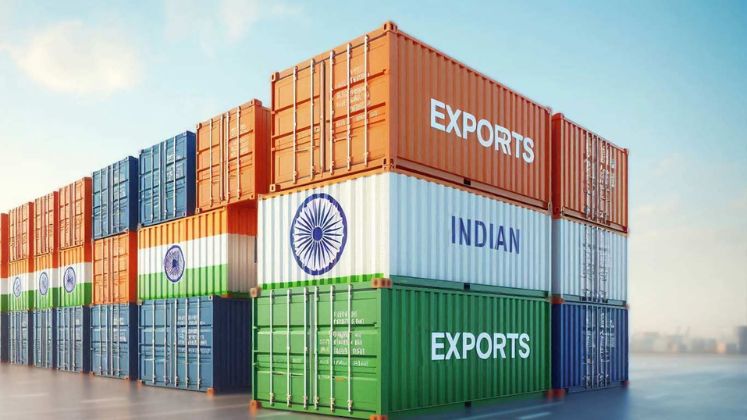
The headline number is clear: India-Peru bilateral trade has crossed $10 billion. Bilateral trade means total trade between two places in both directions. That is a large jump from the levels seen years ago, and it gives this pitch real weight.
To picture the scale, $10 billion is about ₹83,000 crore if you use an exchange rate near ₹83 per dollar. That is a rough conversion, not an official trade figure in rupees. Still, it helps show the size.
Tamil Nadu is also a major exporter inside India. The state has big ports, industrial parks, and global companies. Because of that, even a small share of a $10 billion trade relationship can mean real factory orders and jobs.
India-Peru trade milestonePast lower base$10B+Higher0
Here is a simple snapshot of what each side brings:
| Side | What it offers | Why it matters |
|---|---|---|
| Peru | Minerals, farm goods, access to Latin America | Helps secure raw materials |
| Tamil Nadu | Factories, ports, engineering, exporters | Helps turn inputs into finished goods |
| Both together | Joint supply chains and investment | Could raise trade value over time |
Why does this matter for Tamil Nadu jobs and exports?
Factory partnerships can create more work than plain trading alone. When a state only imports raw materials or exports finished goods, part of the value stays elsewhere. But when firms process, assemble, design, or package goods locally, more money and jobs stay at home.
That does not mean jobs appear overnight. Companies first need contracts, stable rules, transport links, and price certainty. But if a few sectors click, the impact can spread to ports, trucking, packaging, and smaller suppliers too.
This matters for exporters in Tamil Nadu because global trade is changing fast. Businesses want backup suppliers and new routes. As a result, states that move early may win investment before rivals do.
That wider export story connects with other sectors too. For example, our piece on the India-EU scrap export fight shows how raw materials can shape whole industries. And our report on NALCO’s revenue target explains why metals and industrial demand matter so much.
What challenges could slow Tamil Nadu Peru trade plans?
Distance is the first hurdle. Peru is far from India, so shipping can take time and cost more. That can hurt low-margin goods. Low margin means the profit on each unit is small.
Rules are another challenge. Tariffs, customs checks, standards, and taxes can slow deals. A tariff is a tax on imported goods. If rules get simpler, companies are more likely to invest.
Then there is competition. Other Indian states and other countries also want stronger ties with Peru. So Tamil Nadu will need to show why its ports, industrial clusters, and skilled workers make it the best base.
Still, the pitch has logic. Peru has resources the world wants. Tamil Nadu has factories the world uses. If leaders can link those strengths well, the partnership could grow far beyond today’s trade number.
What should readers watch next?
The next clues will be specific. Watch for business delegations, memorandums, and sector announcements. A memorandum is a formal agreement note. It often signals intent before a full contract arrives.
Also watch whether India and Peru move on wider trade facilitation. That means steps that make commerce easier, such as faster clearances or clearer rules. Official updates may come from the Ministry of Commerce and Industry and Peru’s trade agencies. Readers can also track state-level investment efforts through the Tamil Nadu government.
The bottom line is simple and quotable:
Tamil Nadu wants to turn a big trade relationship with Peru into a factory relationship too, because making goods together can create more jobs and more value than trading alone.
That is why Tamil Nadu Peru trade matters right now. It is not only a number on a trade chart. It is a chance to link minerals, factories, ports, and exports in a smarter way.
FAQs
What is Tamil Nadu Peru trade?
Tamil Nadu Peru trade means the business link involving Tamil Nadu and Peru through imports, exports, and possible factory partnerships.
Why is Peru important to Tamil Nadu?
Peru has useful minerals and other goods, while Tamil Nadu has strong factories and ports. So each side offers something the other can use.
How could this help ordinary people?
If firms invest and make products locally, it could support jobs in factories, transport, ports, and small supplier businesses.
When will we know if the plan is real?
We will know more when companies sign deals, announce investments, or launch joint projects in specific sectors.