Key takeaways
- The rare earth dispute is a public fight over key minerals used in phones, EVs, and defense gear.
- Australia wants to build more supply outside China, which now dominates processing.
- China says Western countries are using security fears to block fair trade.
- The clash matters because even small supply shocks can raise costs worldwide.
The rare earth dispute is a growing fight between Australia and China over minerals the world needs for high-tech products. Rare earths are a group of 17 metals used in magnets, chips, and military tools. The argument is getting louder because both sides want more control over supply. That could shape prices, factories, and trade for years.
This row is not just about rocks in the ground. It is about who mines them, who refines them, and who gets the profit. Refining means turning raw ore into usable material. China leads that step by a wide margin, so Australia and its allies want other options.
What is the rare earth dispute really about?
At its core, the rare earth dispute is about power in a supply chain. A supply chain is the path a product takes from mine to factory to buyer. Countries worry because if one nation controls most of that path, it can squeeze rivals in a crisis.
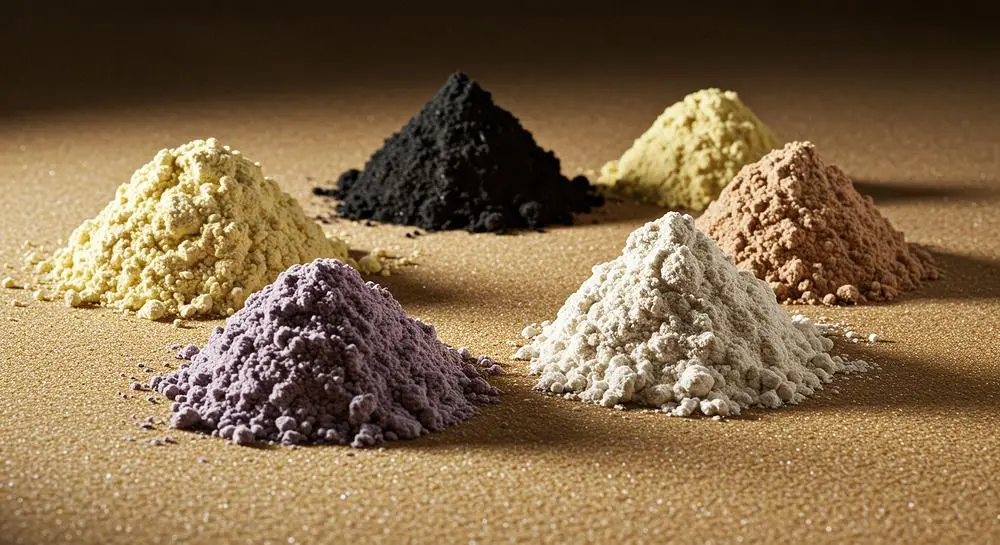
Rare earths sound obscure, but you use products with them every day. They help power phone speakers, wind turbines, electric cars, and guided missiles. Neodymium and praseodymium, for example, are used in strong magnets. Those magnets are tiny, but they do big jobs.
The fresh argument grew after sharp public comments from both sides. Australian voices pushed the idea that China has too much control over critical minerals. Critical minerals are raw materials seen as vital for industry and national security. Chinese officials and state-backed voices pushed back, saying the West is turning trade into a political weapon.
Why do rare earths matter so much?
These minerals matter because modern machines need them. An electric vehicle can use about 1 to 2 kilograms of rare earth materials, depending on its motor. A large offshore wind turbine can use hundreds of kilograms in permanent magnets. So even a small shortage can ripple through many industries.
China has long held the strongest position in processing. According to the International Energy Agency, China accounts for around 60% of rare earth mine output and about 90% of processing in some parts of the chain. That gap matters more than raw mining, because processing is the hardest step to replace fast.
Australia is strong in mining and wants to climb higher in the value chain. The value chain means all the steps that add worth before a product is sold. That includes refining, making metals, and then making magnet parts.
Rare earth supply, rough global pictureChina mine output ~60%China processing share ~90%Australia mine output ~6%Source: International Energy Agency, industry estimates
Why are Australia and China arguing now?
The timing makes sense. Governments are racing to secure minerals for clean energy and defense. Defense means military equipment and systems. At the same time, trade ties are more tense, so each side is watching supply risks more closely.
Australia has pushed critical minerals projects with support from allies such as the United States and Japan. That support can come as loans, purchase deals, or policy backing. China sees some of that language as an attempt to cut it out, not just create backups.
There is also a price battle in the background. Rare earth prices have fallen hard from past peaks, which hurts new projects outside China. If prices stay low, smaller rivals can struggle to survive. That is one reason the rare earth dispute is about economics as much as politics.
| Issue | Australia view | China view |
|---|---|---|
| Supply control | Too concentrated and risky | Built through scale and investment |
| New projects | Need support outside China | Should compete on market terms |
| Security claims | Needed for resilience | Used to justify trade barriers |
How big is China’s lead in rare earths?
China’s lead is biggest in processing, separation, and magnet making. Separation means splitting mixed minerals into usable elements. That step needs costly plants, skilled workers, and strict handling of waste. You cannot build that overnight.
Australia has important mines, including projects that ship concentrate overseas. Concentrate is partly processed ore. But many countries still depend on China for the next steps, so their supply is not fully independent.
That is why new plants matter. Companies in Australia, the US, and other countries are trying to add refining and magnet production. Some projects may take years and hundreds of millions of dollars. In fact, one delay or cost jump can upset the whole plan.
What could the rare earth dispute mean for prices and shoppers?
Right now, most people will not see an instant shock at the store. But the rare earth dispute could raise costs later if supply tightens. A tight supply means there is not enough material for demand. Then factories may pay more, and that cost can spread into finished goods.
Electric cars, electronics, and wind power equipment are most exposed. Defense buyers are exposed too, because many systems need high-performance magnets. If governments rush to stockpile supplies, prices can jump even faster. Stockpile means to build an emergency reserve.
This also links to wider trade trends. For example, India has been buying more from China in many sectors, as we explained in India Records Highest-Ever Imports From China in H1 2026. And pressure on geopolitics can feed new sanctions debates, like in our report on the Russia sanctions bill gaining Senate momentum.
Can Australia really build a rival supply chain?
It can help, but it will take time. New mines can take many years to permit, fund, and build. Processing plants can be even trickier because they need stable power, water, chemicals, and trained staff. So the goal is not a quick win.
A more likely path is a shared network among allies. Australia could mine more, while Japan, the US, Europe, and others help with refining, magnets, and end-use factories. That would spread risk instead of putting it all in one place. It is a bit like not keeping every egg in one basket.
Still, money matters. If prices stay weak, investors may wait. Investors are people or firms that put money into projects hoping for future gains. That is why public support and long-term buying deals could decide who lasts.
For readers tracking technology supply chains, this story also fits with how countries are trying to secure strategic industries, from chips to AI. You can see that pattern in our coverage of Apple’s lawsuit against OpenAI over alleged hiring raids and TCS winning a major airport tech contract.
What should readers watch next?
Watch three things. First, look for export rules, tariffs, or investment blocks. Tariffs are taxes on imports. Second, watch rare earth prices, especially magnet materials such as neodymium-praseodymium oxide. Third, watch whether new refineries actually open on schedule.
One clear takeaway stands out: the rare earth dispute is not a side story. It is a fight over the hidden parts inside modern life. If one side gains too much control, everyone else pays more attention fast. That is why this clash matters well beyond Australia and China.
For primary data and background, readers can check the IEA’s Global Critical Minerals Outlook and the USGS rare earths summary. Both offer useful numbers on mining, processing, and global reserves.
FAQs
What is the rare earth dispute?
The rare earth dispute is a fight over who controls key minerals used in high-tech products and defense systems.
Why does China matter so much in rare earths?
China matters because it does a huge share of the world’s processing. Processing is the hard middle step between mining and making products.
How could this affect everyday people?
If supply gets tighter, costs for EVs, electronics, and clean energy gear could rise. That may feed through to prices over time.
When could other countries catch up?
Not quickly. Building mines and refineries can take several years, so rivals are trying to grow step by step.
Get the day’s top stories in your inbox
One concise email. No spam, unsubscribe anytime.