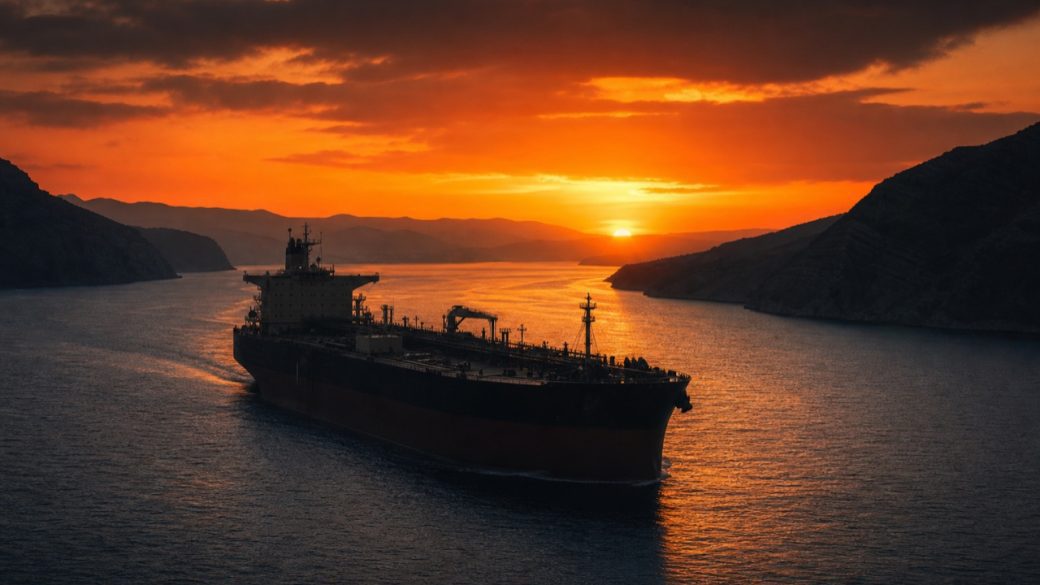
Global oil prices have surged approximately 12% since Friday, as escalating geopolitical tensions and renewed concerns over potential supply disruptions triggered a sharp rally across energy markets. Traders have reacted to increasing risks surrounding the Middle East, particularly fears that conflict could disrupt shipping through the Strait of Hormuz, one of the world’s most important oil transit routes.
The rally reflects a growing geopolitical risk premium being priced into crude markets, with investors closely monitoring military developments, shipping activity, and the responses of major oil-producing nations. Higher oil prices are also raising concerns about inflation, transportation costs, and the outlook for the global economy.
Oil Prices Rally 12% on Geopolitical Tensions
Crude oil has recorded one of its sharpest short-term gains in recent months.
| Market Snapshot | Details |
|---|---|
| Oil price movement | Up around 12% since Friday |
| Main catalyst | Escalating geopolitical tensions |
| Key concern | Potential supply disruptions |
| Market focus | Strait of Hormuz and Middle East stability |
The increase reflects traders adding a geopolitical risk premium to crude oil prices.
Why Oil Prices Are Rising
Several factors are contributing to the rally.
Key drivers include:
- Rising geopolitical tensions in the Middle East.
- Concerns over disruptions to global oil supplies.
- Fears surrounding the Strait of Hormuz.
- Increased speculative buying.
- Higher demand for safe-haven assets.
- Uncertainty over future energy exports.
Even without an actual disruption to supply, the possibility of reduced exports can push oil prices higher.
Strait of Hormuz Remains Critical
The Strait of Hormuz is one of the world’s most strategically important energy chokepoints.
| Importance | Impact |
|---|---|
| Major global oil transit route | Supports international energy supplies |
| Gulf oil exports | Depend on uninterrupted shipping |
| Global energy security | Highly sensitive to disruptions |
| Market sentiment | Strong influence on crude prices |
Any threat to shipping through the strait can have an immediate impact on energy markets.
Impact on the Global Economy
Higher oil prices can influence multiple sectors.
Potential effects include:
- Increased fuel costs.
- Higher transportation expenses.
- Rising inflation.
- Pressure on central banks.
- Increased manufacturing costs.
- Slower global economic growth.
Oil remains a critical input across transportation, logistics, aviation, and industrial production.
Winners and Losers
| Beneficiaries | Challenges |
|---|---|
| Oil producers | Oil-importing economies |
| Energy companies | Airlines |
| Exporting countries | Transportation sector |
| Commodity-linked businesses | Manufacturing companies |
Countries heavily dependent on imported crude, including India, may face larger import bills if elevated prices persist.
What Investors Are Watching
Markets are closely monitoring:
- Developments in the Middle East.
- Shipping activity through the Strait of Hormuz.
- OPEC+ production decisions.
- US strategic petroleum reserves.
- Global oil inventories.
- Diplomatic efforts to reduce tensions.
Future price movements will depend largely on whether geopolitical risks escalate or ease.
Outlook
The 12% jump in oil prices highlights how quickly geopolitical developments can reshape global commodity markets. Even the possibility of disruptions to key energy supply routes has prompted traders to reassess risks and push crude prices sharply higher.
Whether the rally continues will depend on the evolution of geopolitical events, the stability of oil exports, and responses from major producing nations. If tensions ease and supplies remain uninterrupted, prices could stabilize. However, any escalation that affects production or shipping may keep oil markets volatile in the weeks ahead.
What It Means for Consumers and Businesses
Sustained higher oil prices could have broad economic consequences. Consumers may face higher fuel and transportation costs, while businesses could experience rising logistics, manufacturing, and input expenses. These increases may eventually feed into broader inflation, influencing central bank policy and consumer spending.
For energy producers and exporting nations, higher crude prices can boost revenues and investment. For oil-importing economies, however, prolonged price increases could widen trade deficits and place additional pressure on currencies and fiscal balances, making energy security an even more important policy priority.
Get the day’s top stories in your inbox
One concise email. No spam, unsubscribe anytime.