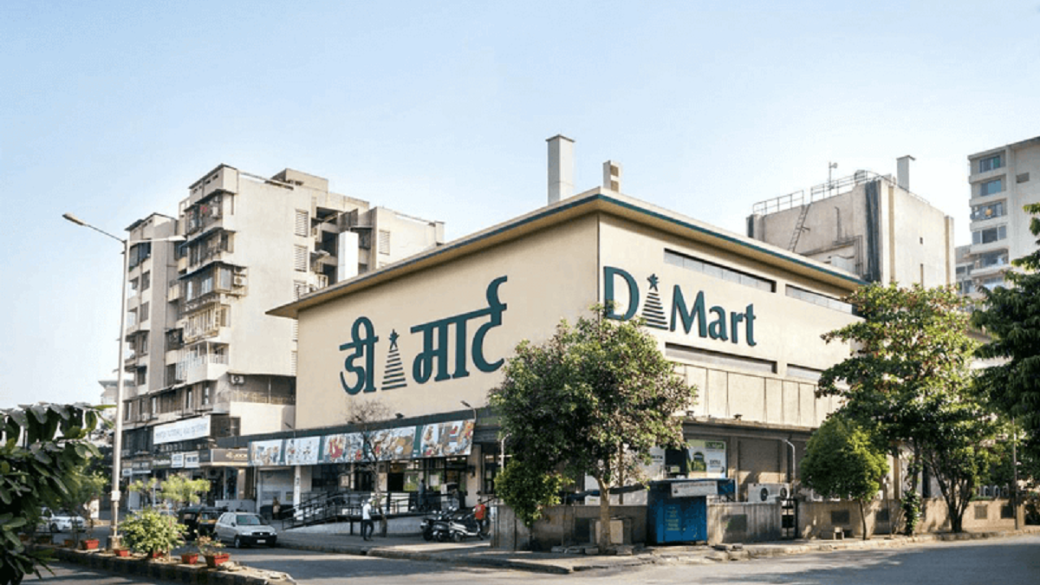
Avenue Supermarts, the operator of DMart, has significantly scaled back the footprint of its online grocery platform DMart Ready, exiting operations in seven cities during the June 2026 quarter. The move comes as competition from quick-commerce players such as Blinkit, Swiggy Instamart, and Zepto intensifies, prompting the retailer to sharpen its focus on profitability and concentrate resources in larger, high-demand markets.
Following the restructuring, DMart Ready now operates in 11 cities, down from 18 previously. The company said the exited locations were “marginal contributors” to its business and that it will continue deepening its presence in major metropolitan markets rather than pursuing aggressive nationwide expansion.
DMart Ready Narrows Its Online Footprint
The strategic pullback reflects changing dynamics in India’s online grocery market.
| Key Details | Information |
|---|---|
| Company | Avenue Supermarts (DMart) |
| Platform | DMart Ready |
| Cities exited | 7 |
| Cities currently served | 11 |
| Reason | Focus on profitability and major metros |
Management did not disclose the names of the seven cities or the timeline of individual closures.
Why DMart Is Scaling Back
The company is responding to rapid changes in consumer shopping behavior.
Major factors include:
- Intense competition from quick-commerce platforms.
- High operating costs in smaller markets.
- Focus on profitable geographies.
- Greater investment efficiency.
- Slower growth in scheduled grocery deliveries.
Rather than competing directly on ultra-fast delivery, DMart continues to emphasize its “Everyday Low Cost, Everyday Low Price” strategy.
Quick Commerce Is Reshaping Grocery Retail
India’s grocery delivery market has shifted dramatically toward rapid delivery models.
Leading competitors include:
- Blinkit.
- Swiggy Instamart.
- Zepto.
These platforms continue expanding dark-store networks and promising deliveries in as little as 10–15 minutes, changing customer expectations, particularly in urban markets.
DMart Chooses Profitability Over Expansion
| Strategy | DMart Ready |
|---|---|
| Delivery model | Scheduled delivery and pickup |
| Pricing | Everyday low prices |
| Expansion approach | Selective, metro-focused |
| Current priority | Sustainable profitability |
Unlike many quick-commerce rivals, DMart has largely avoided aggressive discounting and cash-burning expansion strategies.
Core Retail Business Also Faces Pressure
The online restructuring comes alongside moderation in DMart’s mature store growth.
Key Q1 FY27 highlights include:
- Standalone revenue rose 15.1% year-on-year to ₹18,343 crore.
- Net profit increased 12.8% to ₹936 crore.
- EBITDA margin improved slightly to 8.3%.
- Three new stores were added, taking the total store count to 503.
However, mature stores in large metro cities recorded relatively slower growth compared with non-metro locations.
Industry Competition Continues to Intensify
The grocery retail sector is witnessing rapid transformation.
Current trends include:
- Expansion of quick-commerce.
- Growth in dark-store infrastructure.
- Rising customer demand for instant delivery.
- Increased investments by online grocery platforms.
- Strong competition for urban consumers.
Traditional retailers are increasingly refining their omnichannel strategies to remain competitive.
Outlook
DMart’s decision to discontinue DMart Ready operations in seven cities marks a strategic shift toward operational efficiency rather than rapid expansion. By focusing on larger metropolitan markets and exiting lower-contributing locations, the retailer aims to improve profitability while maintaining its value-focused business model.
The move also underscores the growing impact of quick-commerce on India’s grocery industry. As platforms offering near-instant delivery continue expanding, established retailers are being forced to reassess their digital strategies and prioritize sustainable growth over market share alone.
What It Means for India’s Grocery Market
DMart’s restructuring highlights the increasingly competitive nature of India’s online grocery ecosystem. While quick-commerce companies are investing aggressively in speed and convenience, traditional retailers are placing greater emphasis on operational discipline, cost efficiency, and long-term profitability.
The contrasting approaches suggest that India’s grocery market may continue to support multiple business models, with value-driven scheduled delivery coexisting alongside ultra-fast commerce. Over the coming years, success is likely to depend not only on delivery speed but also on sustainable unit economics, customer retention, and efficient supply chain execution.
Get the day’s top stories in your inbox
One concise email. No spam, unsubscribe anytime.