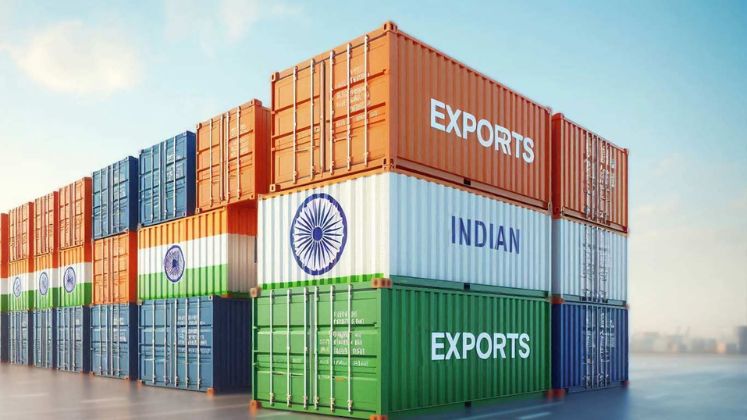
Indian exporters have received more than $1 billion in tariff refunds from the United States, providing a significant financial boost to sectors ranging from engineering goods and chemicals to textiles and pharmaceuticals. The refunds follow adjustments to U.S. tariff policies and settlement mechanisms that allowed eligible exporters to reclaim duties previously paid on shipments entering the American market.
The development comes at a time when India and the United States are deepening trade ties through ongoing negotiations aimed at expanding bilateral commerce and reducing market access barriers. Industry experts believe the refunds will improve exporters’ cash flows, strengthen competitiveness, and encourage higher shipments to one of India’s largest export destinations.
Indian Exporters Receive Over $1 Billion in Refunds
The refunds mark a major relief for businesses trading with the United States.
| Refund Overview | Details |
|---|---|
| Total refunds | Over $1 billion |
| Beneficiaries | Indian exporters |
| Country issuing refunds | United States |
| Primary impact | Improved exporter liquidity |
The refunded amount is expected to help companies recover costs and support future export growth.
Why the Refunds Were Issued
The refunds stem from changes in tariff administration and the settlement of previously collected duties.
Key reasons include:
- Reassessment of tariff collections.
- Trade policy adjustments.
- Resolution of eligible refund claims.
- Compliance with revised customs procedures.
- Settlement of previously disputed duties.
Eligible exporters were able to reclaim duties paid on qualifying shipments under applicable U.S. regulations.
Sectors Expected to Benefit
Several export-oriented industries are likely to gain from the refunds.
Major beneficiaries include:
- Engineering goods.
- Pharmaceuticals.
- Chemicals.
- Textiles and apparel.
- Auto components.
- Industrial machinery.
Many companies are expected to use the recovered funds to expand production, improve competitiveness, or invest in new markets.
Boost for India-US Trade
| Trade Benefit | Expected Impact |
|---|---|
| Better cash flow | Supports exporters |
| Improved competitiveness | Higher export potential |
| Stronger bilateral trade | Encourages business confidence |
| Lower financial burden | Enhances profitability |
The refunds arrive as India and the U.S. continue efforts to strengthen economic cooperation.
Export Momentum Continues
India’s exports have remained resilient despite global economic uncertainty.
Key growth drivers include:
- Diversified export markets.
- Strong manufacturing output.
- Rising demand for engineering products.
- Expansion of pharmaceutical exports.
- Improved supply chain capabilities.
The additional liquidity could help exporters capitalize on future international demand.
Opportunities Ahead
The refunds may encourage businesses to:
- Increase export capacity.
- Expand into new markets.
- Invest in technology upgrades.
- Improve working capital.
- Strengthen global competitiveness.
Lower financial pressure can also support small and medium-sized exporters.
Challenges Remain
Despite the positive development, exporters continue to face several headwinds.
These include:
- Global trade uncertainty.
- Currency fluctuations.
- Rising logistics costs.
- Geopolitical tensions.
- Compliance with evolving international regulations.
Businesses will continue monitoring global trade conditions while seeking new growth opportunities.
Outlook
The return of more than $1 billion in tariff refunds provides timely financial support for Indian exporters and reinforces the importance of the United States as one of India’s largest trading partners. Improved liquidity could help businesses expand production, strengthen export competitiveness, and invest in long-term growth initiatives.
As bilateral trade negotiations progress and global supply chains continue evolving, stronger commercial cooperation between India and the U.S. may create additional opportunities for exporters across manufacturing, pharmaceuticals, engineering, and technology sectors.
What It Means for India’s Export Sector
The tariff refunds demonstrate how trade policy developments can directly influence exporters’ financial health and international competitiveness. By recovering previously paid duties, companies gain additional resources that can be redirected toward capacity expansion, innovation, and market diversification.
For India’s broader export ecosystem, the refunds reinforce confidence in the U.S. market while highlighting the benefits of continued trade engagement between the two countries. If accompanied by further reductions in trade barriers and deeper economic cooperation, the development could contribute to sustained growth in India’s merchandise exports over the coming years.
Get the day’s top stories in your inbox
One concise email. No spam, unsubscribe anytime.