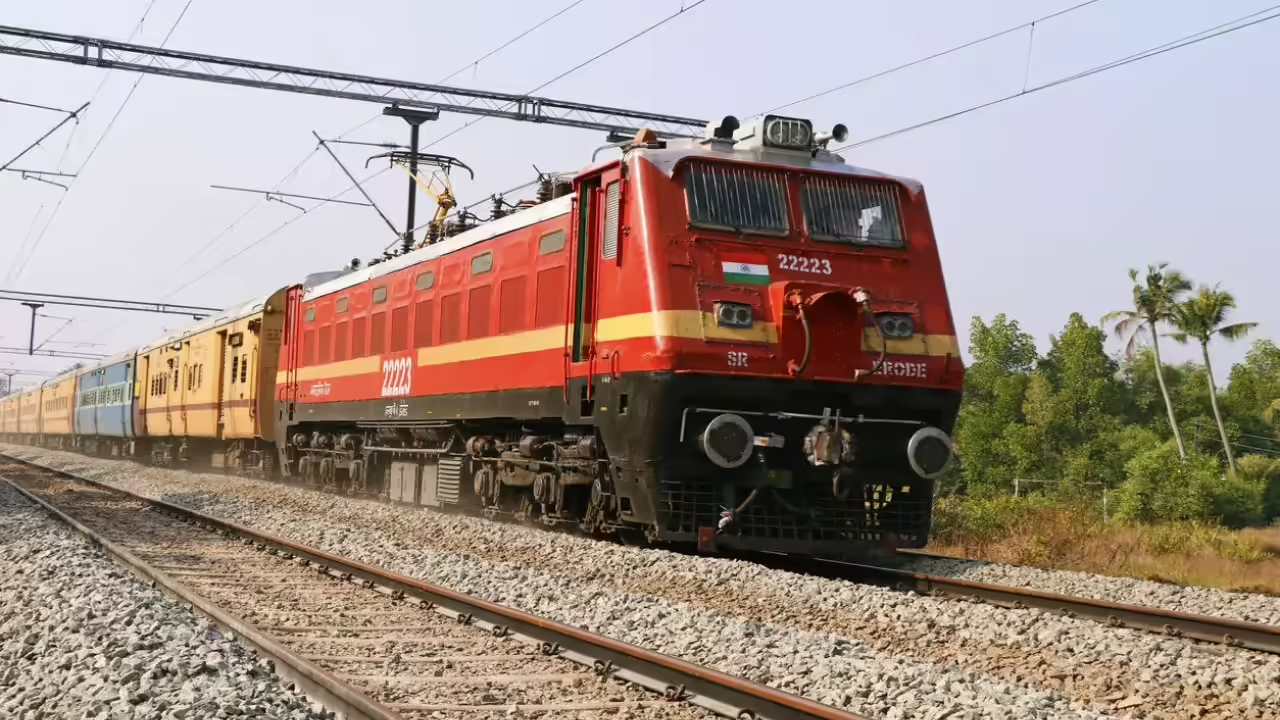
Highlighting a structural shift toward sustainable transport infrastructure, Indian Railways has achieved a massive 63% reduction in its annual diesel consumption.
The drastic drop in fossil fuel dependency is the direct result of an aggressive, multi-year electrification campaign carried out across the country’s vast rail network. According to updated data from the Ministry of Railways, the shift to electric traction has systematically cut down the national carrier’s crude oil import vulnerabilities while driving massive operational cost savings.
1. Tracking the Data: The Numbers Behind the Decline
The 63% reduction represents a rapid, decade-long transition toward electric traction:
- The Volumetric Drop: Annual diesel consumption has plummeted by 185 crore litres. This volume is equivalent to roughly four days of India’s entire nationwide diesel demand.
- The Structural Baseline: In 2015–16—the first year the central government launched the network electrification program in mission mode—railway diesel consumption stood at 293 crore litres.
- The Current Floor: Following continuous expansions, annual consumption has dropped to just 108 crore litres, with current indicators mapping an even lower baseline moving through 2026.
- Network Status: The reduction aligns directly with the near-total coverage of the network; 99.6% of the entire broad-gauge railway infrastructure has been successfully electrified.
2. Unprecedented Scale: Over 48,000 Kilometres Electrified
The breakneck speed of the rollout highlights a complete restructuring of project execution inside the ministry. Up until 2014, Indian Railways had managed to electrify a historical cumulative total of just 21,801 route kilometres.
Over the subsequent 12 years, the network aggressively added an astonishing 48,072 route kilometres under electric traction, bringing the total network close to full completion.
Furthermore, to prevent the future accumulation of legacy un-electrified infrastructure, the Ministry of Railways has put in place a strict policy mandate: all newly sanctioned rail tracks, multi-tracking routes, and corridor layouts are constructed natively with overhead electric lines from day one.
3. Financial Rebound and Geopolitical Shields
Logistics and energy sector analysts emphasize that the timing of this green milestone provides India with a crucial macroeconomic shield.
The Financial Advantage
The move away from diesel significantly lowers the line-haul operational expenditure for passenger and cargo transport. According to internal cost assessments, running trains on electric traction is remarkably cheaper than conventional diesel power:
- Passenger Transport: Electric traction costs are nearly one-sixth ($1/6$) of the equivalent diesel expenditure.
- Freight Movement: Cargo line-haul costs drop to roughly one-third ($1/3$) compared to standard diesel operation.
- Annual Savings: The ongoing shift is projected to yield staggering operational cost-reductions of up to ₹12,000 crore annually for the public transporter.
Insulation from Global Conflicts
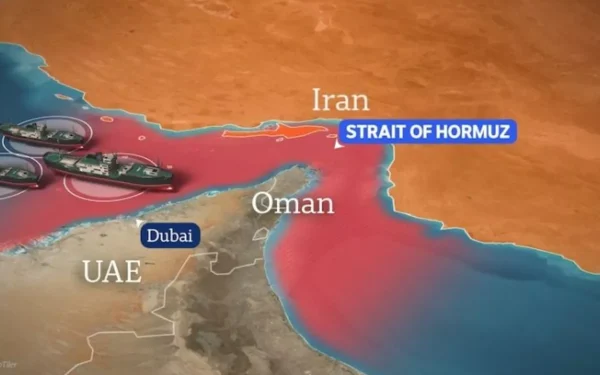
By converting the backbone of the country’s logistics engine from imported crude oil to electric power, the government has successfully isolated its primary supply chains from highly volatile energy shocks caused by ongoing maritime and geopolitical conflicts in West Asia.
To further cement this sustainable trajectory, Indian Railways is actively pivoting its procurement strategies to source its massive electric traction power directly from renewable energy channels like solar and wind infrastructure. This step ensures that the transition doesn’t just relocate carbon emissions back to coal plants, but fundamentally transforms the railway network into a net-zero carbon transport ecosystem.
Get the day’s top stories in your inbox
One concise email. No spam, unsubscribe anytime.