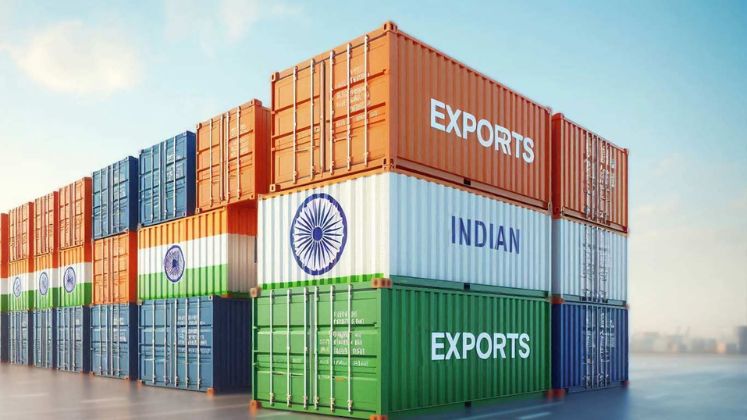
India is set to simplify export procedures for micro, small and medium enterprises (MSMEs) by exempting low-value export shipments from the requirement to obtain a Registration-Cum-Membership Certificate (RCMC). The proposed change, aimed at easing compliance for small exporters and e-commerce businesses, is expected to reduce paperwork, lower costs, and speed up overseas shipments. The move follows representations from exporters and logistics companies that the current rules create unnecessary hurdles for businesses sending small consignments abroad.
The RCMC is currently required for exporters seeking benefits under India’s Foreign Trade Policy and is issued by Export Promotion Councils (EPCs) or commodity boards. However, industry stakeholders have argued that requiring the certificate for low-value exports adds administrative complexity without significantly improving oversight. The proposed exemption is expected to encourage more MSMEs to participate in cross-border trade, particularly through e-commerce platforms.
Government Plans Compliance Relief for Small Exporters
Under the proposal, exporters shipping consignments below a specified value threshold would no longer need to obtain an RCMC before exporting their goods.
The initiative is intended to:
- Simplify export documentation.
- Reduce compliance costs for MSMEs.
- Improve the ease of doing business.
- Encourage first-time exporters.
- Support India’s growing e-commerce export ecosystem.
Proposed Policy Change
| Item | Current Requirement | Proposed Change |
|---|---|---|
| Registration-Cum-Membership Certificate (RCMC) | Required for exporters | Exemption for eligible low-value exports |
| Primary beneficiaries | All exporters | MSMEs and small-value exporters |
| Objective | Regulatory compliance | Faster and simpler exports |
Why the Shipping Industry Sought the Change
Courier companies, logistics providers, and export bodies have maintained that the RCMC requirement creates delays for thousands of small export parcels.
According to industry representatives, removing the requirement for low-value shipments would:
- Shorten processing times.
- Lower documentation expenses.
- Make Indian exporters more competitive globally.
- Enable quicker fulfillment for overseas customers.
- Support direct-to-consumer exports by smaller businesses.
Expected Benefits
| Benefit | Impact |
|---|---|
| Reduced paperwork | Faster shipment processing |
| Lower compliance costs | Improved profitability for MSMEs |
| Easier market access | More first-time exporters |
| Better logistics efficiency | Higher export competitiveness |
Boosting India’s E-Commerce Export Ambitions
The proposed exemption aligns with the government’s broader efforts to expand India’s e-commerce exports and increase MSME participation in global trade.
Small businesses increasingly sell products such as:
- Handicrafts.
- Apparel.
- Home décor.
- Jewellery.
- Consumer goods.
For these exporters, compliance costs often represent a disproportionately large share of shipment value. Simplifying documentation could therefore make international sales more viable for thousands of businesses.
Likely Beneficiaries
| Sector | Potential Advantage |
|---|---|
| Handicrafts | Faster international shipping |
| Textiles and apparel | Lower compliance burden |
| Jewellery | Easier export processing |
| E-commerce sellers | Improved cross-border trade |
Industry Welcomes the Proposal
Exporters and logistics companies have broadly welcomed the government’s move, saying it addresses a long-standing demand from the MSME sector.
Industry participants believe the exemption could:
- Increase export volumes of small consignments.
- Improve India’s ranking in ease of doing business.
- Encourage more digital-first exporters.
- Strengthen India’s position in global e-commerce supply chains.
Looking Ahead
The proposed RCMC exemption for low-value export shipments represents another step in India’s efforts to simplify trade procedures and promote exports by small businesses. By reducing compliance requirements, the government aims to make cross-border trade more accessible for MSMEs, particularly those using digital marketplaces and courier networks to reach international customers.
If implemented, the reform could encourage more entrepreneurs to enter export markets, lower operational costs for existing exporters, and strengthen India’s ambitions of becoming a global hub for e-commerce exports. Additional details, including the value threshold and implementation timeline, are expected once the policy is formally notified.
Get the day’s top stories in your inbox
One concise email. No spam, unsubscribe anytime.