Pushp Brand (India) Ltd, the Indore-based manufacturer behind the popular packaged spice brand ‘Pushp Masale’, has officially filed its Draft Red Herring Prospectus (DRHP) with the Securities and Exchange Board of India (SEBI) to launch an initial public offering (IPO).
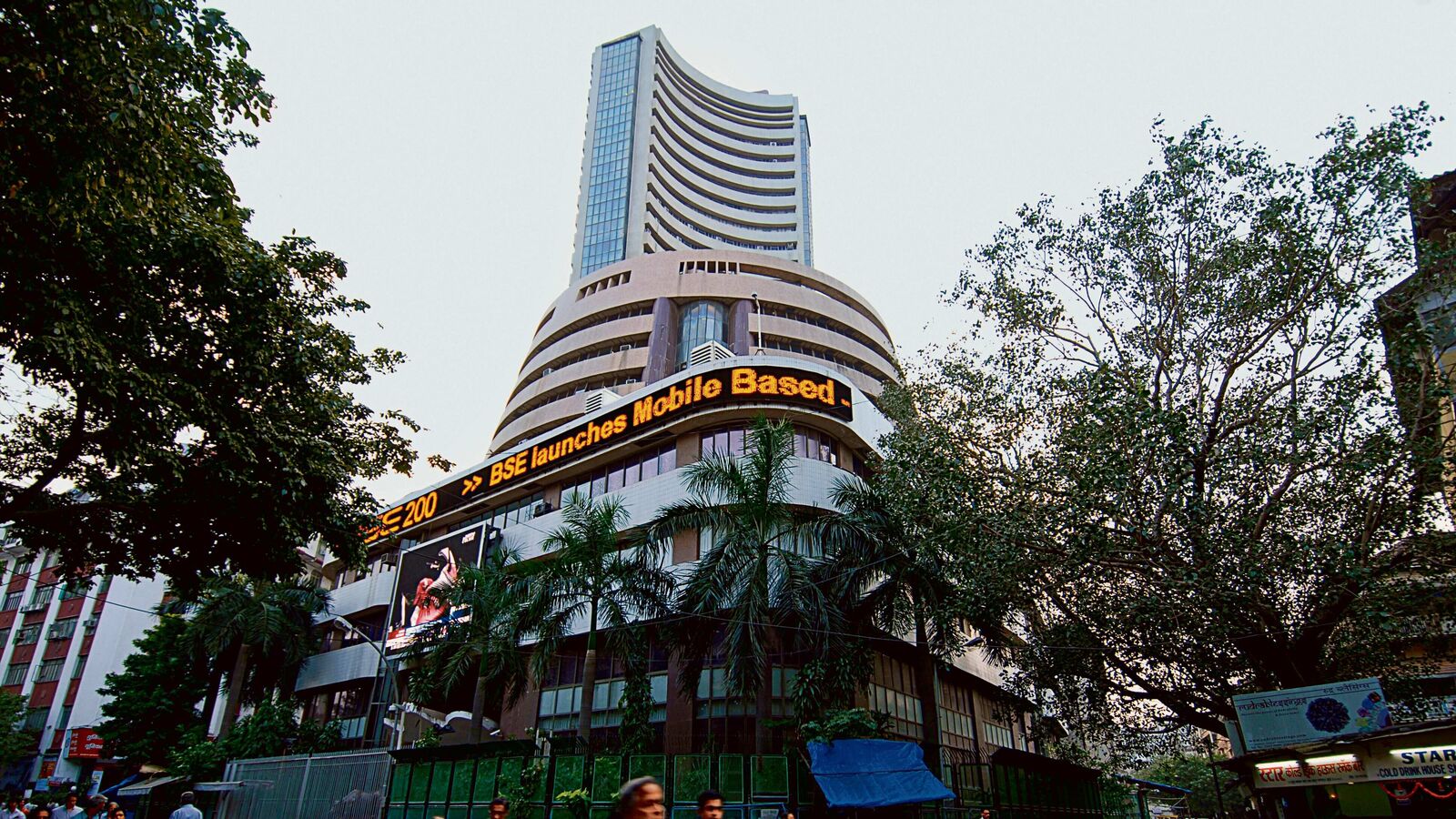
According to market sources, the public issue is expected to raise between ₹800 crore and ₹1,000 crore, positioning the consumer brand to join an increasingly competitive kitchen staples segment on the national exchanges (BSE and NSE).
IPO Structure: A Pure Offer-for-Sale (OFS)
Unlike capital raises designed to fund immediate factory expansions or debt clearances, Pushp’s draft prospectus indicates that the public offering will be solely an Offer-for-Sale (OFS) of up to 74.45 lakh (7,445,000) equity shares.
Because the transaction does not include a “fresh issue” component, the parent entity will not receive any capital proceeds from the public listing. Instead, 100% of the funds raised will go straight to the offloading promoters and institutional venture capital backers looking to monetize their early equity positions.
The Selling Stakeholders:
- The Promoters: Co-founders Mahendra Kumar Surana and Surendra Kumar Surana will partially offload their personal stakes.
- The Institutional Backers: Prominent private equity funds A91 Emerging Fund I LLP (A91 Partners) and Sixth Sense India Opportunities III (Sixth Sense Ventures) will partially or fully liquidate their shares in the company.
“Our company expects that listing of the equity shares will enhance our visibility and brand image as well as provide a public market for the equity shares in India,” Pushp Brand stated in its official regulatory filing.
From Central India to a National Footprint
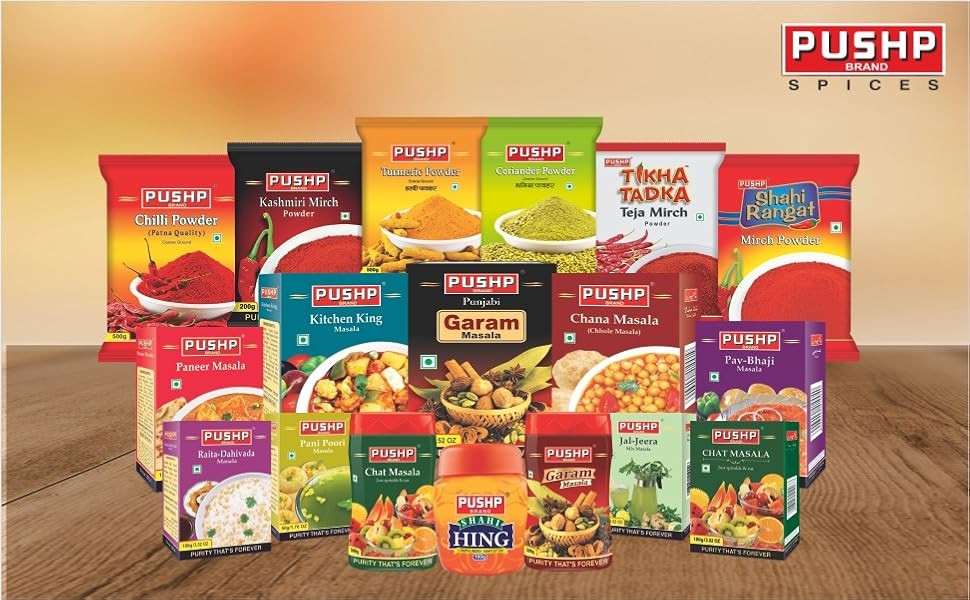
Founded in 1974 as a localized commodity business in Madhya Pradesh, Pushp Brand has systematically transitioned into an organized FMCG player. The firm owes the bulk of its growth to its deep distribution networks across central and western India, particularly dominating household market shares in Madhya Pradesh, Rajasthan, and parts of Maharashtra.
The company’s modern product layout has expanded significantly beyond basic kitchen elements, currently spanning four key verticals:
- Pure Spices: Coriander, turmeric, and premium chili powders processed using cool-grinding technology.
- Blended Spices: High-margin formulations including Garam Masala, Chole Masala, and regional specialties.
- Value-Added Products: High-grade Hing (asafoetida), quick-fry mixes, and specialized tea masalas.
- Western Seasonings: A newly introduced line targeting urban quick-cooking segments.
Navigating Competitive Peer Pressures
The packaged spice sector in India has experienced rapid formalization as households migrate away from unbranded, loose commodities toward packaged, quality-tested alternatives. However, Pushp enters a crowded playing field, going up against entrenched market leaders including Everest Food Products, Mahashian Di Hatti (MDH), ITC’s Sunrise, and Tata Consumer Products’ Badshah Masala.
Market analysts are tracking the upcoming issue against the backdrop of its closest listed peer, Orkla India—the Norwegian-owned parent company of the MTR Masala business. Orkla launched a ₹1,667 crore IPO in October 2025. Shares of Orkla India have slipped roughly 10% below their initial listing price over the past six months, currently maintaining a market capitalization of around ₹8,671 crore.
Pushp’s ability to sustain its historical margins in the face of volatile raw agricultural commodity costs (like cumin and coriander cycles) will likely be a core focus area for institutional buyers during the upcoming pre-IPO roadshows.
Next Administrative Milestones
The public issue is being steered by marquee investment banking partners. ICICI Securities Ltd, IIFL Capital Services, and Systematix Corporate Services are acting as the book-running lead managers for the transaction.
Following SEBI’s formal review and approval of the DRHP over the coming months, the company will finalize its specific pricing bands, lot sizes, and subscription opening timelines.
Get the day’s top stories in your inbox
One concise email. No spam, unsubscribe anytime.