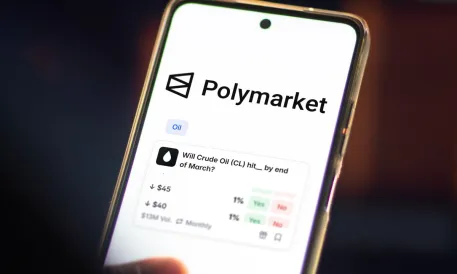
A Wall Street Journal investigation has revealed that crypto-based prediction platform Polymarket paid social media content creators to film themselves making fake bets and claiming phony wins on duplicate replica websites. The findings have renewed scrutiny of how Polymarket markets its betting service to viewers, including audiences in regions where prediction-market betting sits in a legal grey zone.
The coordinated campaign, which ran from late 2024 through mid-May 2026, generated over 140 million views across social media platforms before being exposed.
1. The Anatomy of the Staged Videos
The WSJ’s analysis of over 1,100 promotional videos, internal instructional materials, and creator interviews laid out a highly calculated marketing operation:
- The Duplicate Sandbox: Polymarket’s marketing contractor provided creators with access to dummy websites that were “almost perfect copies” of the actual betting platform.
- Fabricated Metrics: Creators used these simulated sites to stage massive wagers and react to fake wins. The investigation tracked 1,105 videos across 10 main creators, showcasing $1.9 million in completely fictional bets.
- The “Profit” Illusion: Across the videos, creators celebrated roughly $900,000 in fake payouts. In reality, WSJ analysts calculated that if those exact same bets had actually been placed on the live, public Polymarket exchange, the creators would have lost over $166,000. In one instance, a creator claimed a $100,000 win betting Donald Trump would say “McDonald’s” during an event—a market where real-money bettors actually lost everything.
2. Hidden Ads and VPN Promotion
The marketing campaign pushed deep into regulatory and ethical gray zones regarding disclosures and geographic restrictions:
- Concealing Sponsorship: Polymarket explicitly instructed its hired creators not to disclose that the videos were paid advertisements. Creators only began adding tags like
@polymarket partnerto their profiles after WSJ reporters began contacting them and the platform for comment. - The US Target: Polymarket has been legally banned from operating in the United States since its 2022 settlement with the Commodity Futures Trading Commission (CFTC) over unregistered binary options. However, these paid creator videos directly targeted American audiences, frequently encouraging viewers to bypass geographic blocks by using a Virtual Private Network (VPN) to access the platform anyway.
3. The Fallback: Corporate Audit
Following the publication of the investigation, Polymarket released a statement attempting to distance itself from the deceptive tactics of its third-party marketing vendor. The company stated it is “committed to maintaining accurate, fair, and transparent markets” and announced immediate plans to launch an internal audit of all active promotional content and influencer partnerships.
4. Why It Matters for Indian Viewers
Prediction markets like Polymarket have drawn growing curiosity in India, where many users discover such platforms through exactly the kind of viral “big win” clips the WSJ flagged as staged. The episode is a reminder that flashy payout videos may not reflect real outcomes, and that the legal status of such platforms varies sharply by country. For readers following how technology companies chase scale, it echoes wider debates around aggressive marketing, such as OpenAI’s reported $3.7 billion Q1 2026 loss and the race among global platforms like ByteDance approaching a $1 trillion valuation.
Frequently Asked Questions
What is Polymarket and how does it work?
Polymarket is a crypto-based prediction platform where users bet on the outcomes of real-world events. Prices on its markets move with how participants weigh each outcome, and payouts depend on whether the event resolves the way a user predicted.
Were the Polymarket bet videos fake?
According to the WSJ investigation, yes. Creators were given near-perfect replica websites to stage roughly $1.9 million in fictional bets and celebrate about $900,000 in fake payouts. Had those bets been placed on the real exchange, analysts estimated the creators would have lost over $166,000.
Is Polymarket legal in India?
The legal status of prediction-market betting platforms varies by jurisdiction and is often unclear in India. Polymarket itself has been banned in the United States since a 2022 CFTC settlement. Readers should treat the platform’s availability and legality as uncertain and verify local rules before using any such service.