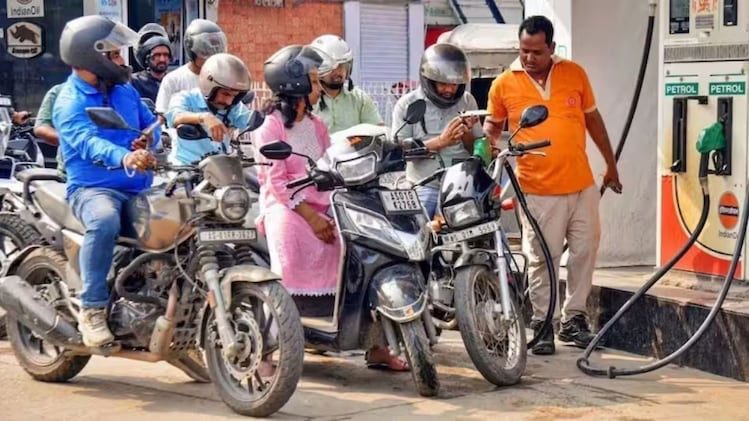
Reports highlighting ₹135 per litre petrol prices along the Indo-Nepal border in Uttar Pradesh reveal a significant cross-border fuel crisis, but with a critical twist regarding the direction of the smuggling.
The fuel is actually being smuggled from Uttar Pradesh into Nepal, rather than the other way around. Ground realities and financial metrics clarify the structural strain currently impacting UP’s border districts:
1. The Core Incentive: A Reverse Price Differential
Historically, sub-continental fuel smuggling trends fluctuate based on localized tax revisions. The current crisis is driven by an unprecedented surge in international oil prices and geopolitical tensions in West Asia, which have forced the state-owned Nepal Oil Corporation (NOC) to execute massive, consecutive fuel price hikes.
- The Retail Pricing Gap: While retail petrol prices across Uttar Pradesh have remained stable near ₹100 per litre, the recent price hikes in Nepal have pushed their domestic rates past Rs 202 (NPR) per litre.
- The Profit Arbitrage: When converted to Indian Rupees (INR), petrol is retailing for roughly ₹127 to ₹135 per litre in Nepal. This creates an immediate, highly lucrative arbitrage opportunity of ₹27 to ₹40 per litre for localized smugglers.
2. Supply Chains Under Strain: 60% of Border Pumps Run Dry
The scale of this illegal cross-border diversion has triggered a severe domestic supply drought within India’s perimeter.
Local monitoring across UP’s 580-kilometer-long porous border reveals that nearly 60% of retail petrol pumps have shut operations or run completely out of stock in seven critical border districts, including:
- Lakhimpur Kheri
- Bahraich
- Balrampur
- Maharajganj
- Gonda
Smugglers are reportedly executing repeated purchases at Indian retail outlets using jerry cans, modified pickup trucks, and small containers, moving the fuel across porous village roads, forest trails, and river networks during the evening hours.
3. Impact on Rural Demands and New Guardrails
The sudden volume drain has caused immense friction for local Indian consumers, particularly affecting the agricultural and transport sectors.
- Rationing for Locals: To preserve fuel security for domestic residents, open pumps are enforcing strict sales limits—often capping consumer vehicle purchases to just 5 to 10 litres per transaction.
- The Farmer Dilemma: These anti-hoarding restrictions are causing unintended friction for regional farmers. During peak agricultural windows, farmers typically require bulk diesel batches of up to 150–200 litres to power tractors and irrigation pumps. They are now forced to make multiple small, documented transactions to verify domestic usage.
- Stepped-Up Surveillance: The Uttar Pradesh State Petroleum Dealers Association and state oil heads from the Indian Oil Corporation (IOC) maintain that bulk wholesale distribution channels are completely normal. In response to the market distortion, local administrations have deployed coordinated police and Sashastra Seema Bal (SSB) patrolling checkpoints along major border routes to track unusual repeated purchases and secure domestic inventory.