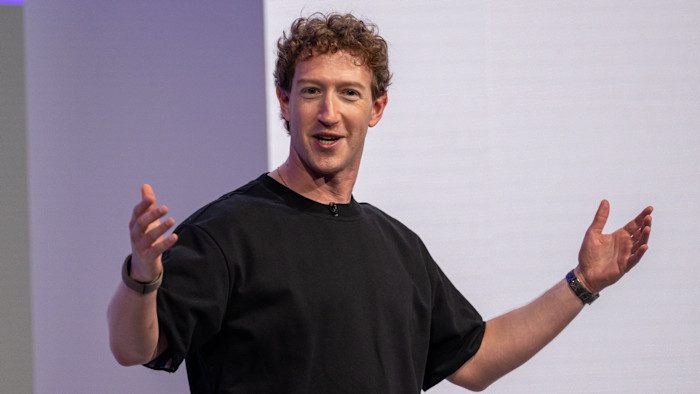
In a major revelation highlighting Big Tech’s scramble to capture the booming forecasting economy, Meta Platforms CEO Mark Zuckerberg held secret, informal takeover talks to acquire prediction-market giant Kalshi before walking away to build an in-house competitor.
According to internal documents and reports published by NPR and The New York Times, Zuckerberg sat down with Kalshi co-founder and CEO Tarek Mansour to pitch an outright acquisition. The multi-billion-dollar talks ultimately stalled, prompting Meta to quietly pivot toward developing its own alternative platform, code-named “Arena.”
1. Why the Acquisition Fell Apart
The true story of why the transaction disintegrated depends on which side of the negotiating table you ask, with insiders pointing to two primary friction points:
- The Valuation Surge: Kalshi’s internal business has been on an explosive upward trajectory. Valued at $2 billion in mid-2025, its private valuation skyrocketed to $22 billion in March 2026, with current funding rounds eyeing a staggering $40 billion premium. Sources state Mansour simply was not a willing seller given the company’s hyper-growth momentum and long-term path toward a future IPO.
- The Regulatory and Legal Headache: Other sources close to Meta claim Zuckerberg took a long look at the regulatory baggage shadowing real-money prediction platforms and chose to retreat. Kalshi has faced intense regulatory scrutiny from the CFTC and state governments, including a recent federal lawsuit it filed against Illinois over a new 15% sports contract tax, making a real-money gambling integration a major legal liability for Meta.
2. Meta’s Counter-Move: Project “Arena”
Rather than risk public fallout over financial wagering, Meta has deployed its classic “copycat playbook,” leveraging a dedicated internal team to construct Arena—a standalone prediction application structured to capture the engagement of the market without the legal risk.
 [ Acquisition Talks (Zuckerberg & Mansour) ] ──► Stalled over valuation & legal baggage
                                                          │
                                                          ▼ (The Technical Pivot)
 [ Meta Dispatches Internal Dev Team       ] ──► Builds "Arena," a standalone prediction client
                                                          │
                                                          ▼
 [ Automated Market Creation               ] ──► Meta AI dynamically generates future questions
                                                          │
                                                          ▼ (The Regulatory Shield)
 [ Play-Money Allocations                  ] ──► Users wager video game-style points, NOT real cash
3. The Play-Money Strategy
By stripping cold hard cash out of the equation, Meta is trying to insulate itself from global online gambling crackdowns—most notably across Europe, where nations like Spain have temporarily blocked access to Kalshi and its crypto-native rival, Polymarket.
| Operational Feature | Kalshi Exchange Model | Meta “Arena” Framework |
| Wager Type | Real-Money Event Derivatives ($USD) | Points-Based Token System (Daily virtual allocations) |
| Market Coverage | Finance, Politics, Sports, Weather | Pop Culture, Trending News, Sports |
| Settlement Core | Regulated Clearinghouses | Meta AI Automated Verification |
| Target Distribution | Direct Financial Traders | Cross-pollinated via 3.5B user ecosystem |
While Arena is currently undergoing private internal testing with no finalized public launch date, market analysts point out that a gamified prediction app at Meta’s scale will act as a massive psychological on-ramp. Even without real cash, a points-based prediction system embedded across Facebook, Instagram, and Threads could systematically train billions of everyday users into habitual forecasting behaviors—creating a massive cultural funnel that the real-money incumbents will eventually have to compete against.