Japan Visa Fees to Rise Fivefold From July 1 — Will Indian Travellers Pay More?
Japan is making its visa fees much higher. A visa is the official permission you need to enter another country. From July 1, 2026, Japan will charge about five times more for many visas. “Fivefold” just means five times the old price. This is the first change like this since 1978. So it matters to anyone who wants to visit, work, or study in Japan.
People in India have one big question. Will Indian travellers pay more? For most Indians, the answer is yes. Let us explain it in simple words.
What exactly is changing?
Japan’s government said yes to the new fees at a cabinet meeting on June 19, 2026. A cabinet meeting is a meeting of the country’s top leaders. The new prices start on July 1, 2026. Two main visa types will cost more.
A “single-entry” visa lets you enter Japan one time only. Once you leave, it is finished. A “multiple-entry” visa lets you enter Japan many times while it still works. Both will cost about five times more.
Key facts: old fees vs new fees
| Visa type | Old fee (until June 30) | New fee (from July 1) |
|---|---|---|
| Single-entry visa | 3,000 yen | 15,000 yen |
| Multiple-entry visa | 6,000 yen | 30,000 yen |
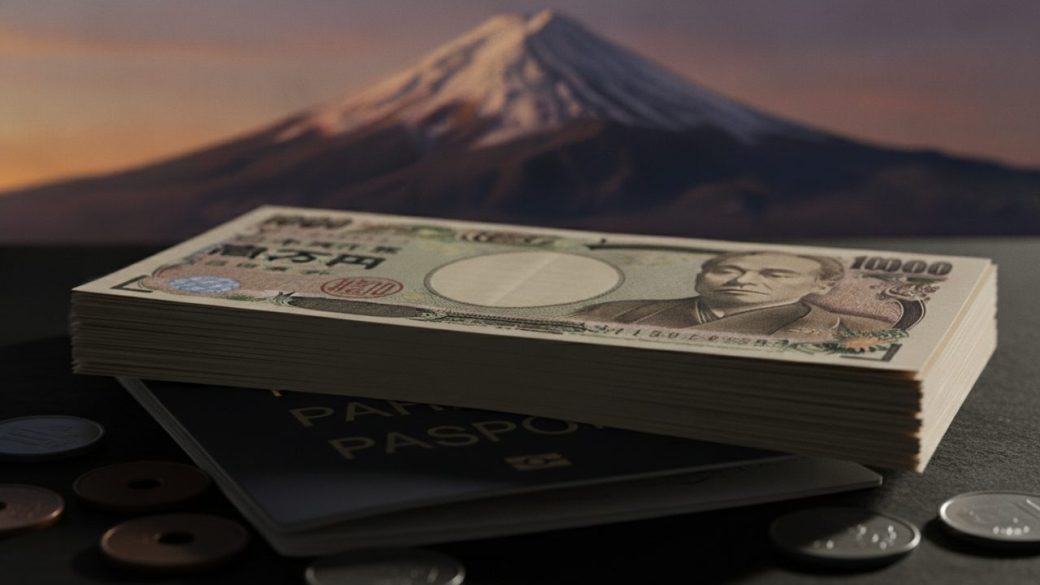
The yen is Japan’s money, just like the rupee is India’s money. Here is a rough idea in rupees. The new 15,000 yen is about 8,000 to 8,500 rupees. The old 3,000 yen was only about 1,700 rupees. So one entry now costs a lot more than before. These rupee numbers are only rough. The exchange rate (how much one yen is worth in rupees) changes every day.
When does the new fee start?
It depends on when you apply. The new, higher fee is for forms sent on or after July 1, 2026. If you send your form before that date, you pay the old, lower fee.
So the date matters a lot. Applying a few days early could save you money.
Why is Japan raising visa fees?
The old fee was set in 1978. That is about 48 years ago. Since then, prices, pay, and the value of money have all changed a lot.
Japan says the new fee matches inflation and money changes over those years. “Inflation” means prices slowly going up over time. In simple words, the old fee was too low for today. So the government raised it.
Who has to pay, and who does not?
The higher fee only hits people who must get a visa before they travel. People from more than 70 countries and regions do not need a short-stay visa for Japan. Travellers from places like the United States, the United Kingdom, and Australia are in this no-visa group. So they do not feel this change directly.
India is not in that no-visa group. Indians normally need a visa to enter Japan. That is why this fee news matters for India.
Why it matters (especially for Indian travellers and students)
For tourists
Are you an Indian planning a holiday in Japan? Then you will likely pay the higher fee. Japan is still a very popular place to visit. From January to May 2026, about 174,200 visitors came to Japan from India. For a family trip, the cost adds up. This is because each person usually needs their own visa.
For students
Students who go to Japan to study usually get longer-stay visas, not short tourist ones. People who apply for long-stay, work, or study visas must pay a visa fee. So the higher fee can affect Indian students too. The good news is that this fee is a one-time cost. It is small next to tuition (the money you pay for classes) and living costs, which are much bigger.
For workers
Indians who move to Japan for jobs often need a work visa. They are in the same group that must pay the fee. Many will pick a multiple-entry visa so they can travel back and forth. That is the type going up to 30,000 yen.
Frequently asked questions
How much will an Indian tourist pay now?
For a single-entry visa, the new fee is 15,000 yen. That is up from 3,000 yen. It is about 8,000 rupees. The exact rupee amount depends on the exchange rate when you pay.
Can I avoid the higher fee?
The lower fee is only for forms sent before July 1, 2026. If your plans are ready, apply before that date. Then you pay the old rate.
Does this change Japan’s visa rules for Indians?
No. This news is about the price, not the rules. Indians still need a visa, just like before. Only the cost is going up.
Why now, after so many years?
The fee had not changed since 1978. Japan says it raised the amount to match many years of inflation and money changes.
The takeaway
Japan’s visa fees are going up about fivefold from July 1, 2026. Single-entry goes from 3,000 to 15,000 yen. Multiple-entry goes from 6,000 to 30,000 yen. Indian tourists, students, and workers will mostly pay the higher amount. This is because Indians need a visa for Japan.
Here is the smart move. Is your Japan trip already planned? Then check if you can apply before July 1 to keep the old, lower rate. Either way, add the new fee to your travel budget.
For more on how India is dealing with the wider world, see our coverage of India’s defence and maritime push.
Source: Financial Express — Japan to raise visa fees fivefold from July 1.