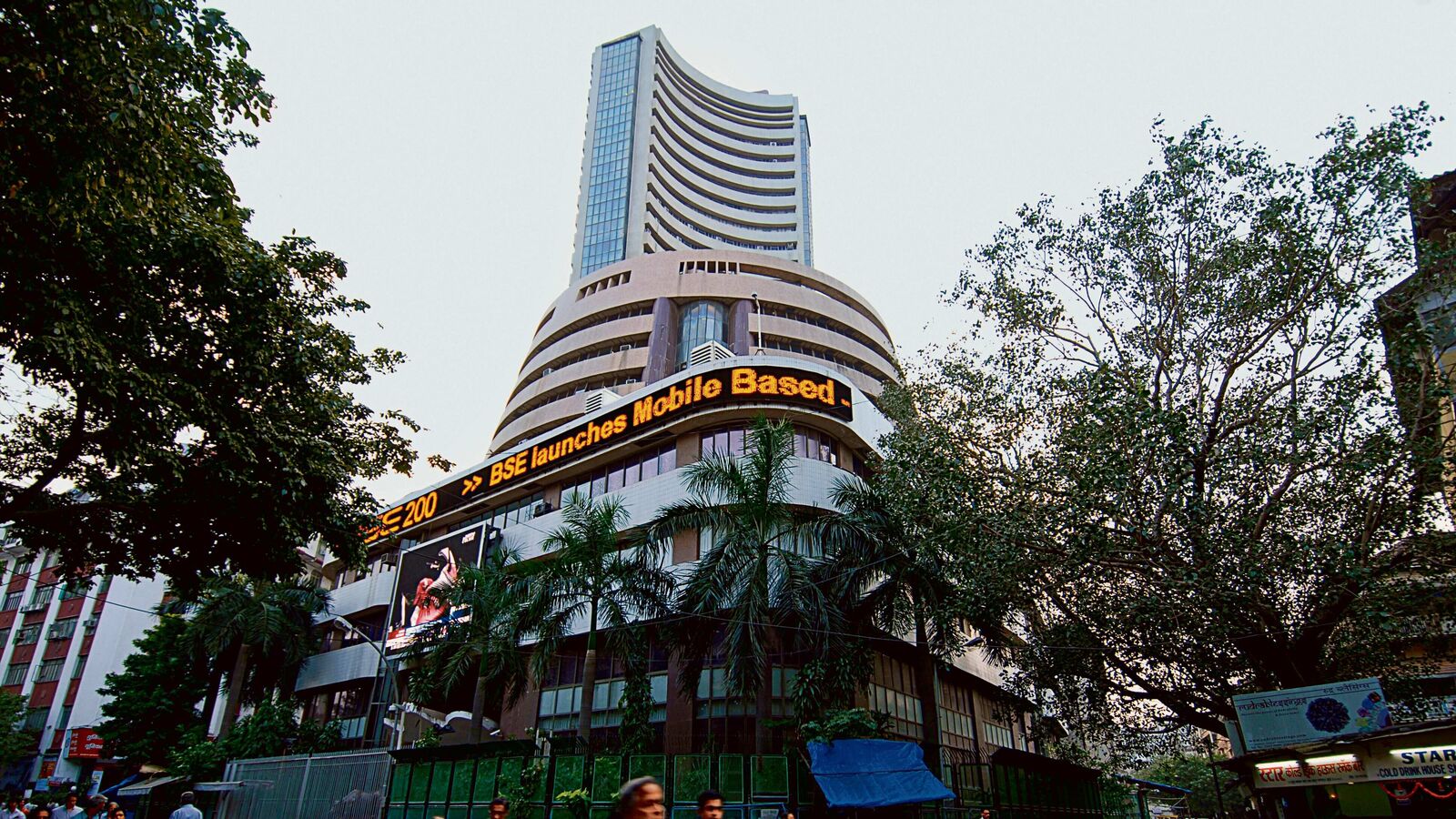
The Government of India has achieved a strong head start for its FY2026–27 disinvestment and asset monetization drive, bringing in ₹18,454 crore. This milestone represents 23.06% of the Centre’s total annual target of ₹80,000 crore outlined in the Union Budget.
This front-loaded mobilization has been achieved rapidly within the initial months of the fiscal year through a series of tactical market operations orchestrated by the Department of Investment and Public Asset Management (DIPAM).
1. The Disinvestment Blueprint (FY27)
The government’s approach this fiscal year relies heavily on secondary market stake sales and asset unlocking rather than delayed mega-privatizations:
- The Target: ₹80,000 crore from miscellaneous capital receipts, a significant jump from the previous fiscal year’s revised estimates.
- The Strategy Mix: As highlighted by the economic affairs and DIPAM secretaries, the bulk of this layout is powered by a fresh asset monetization pipeline alongside structured Offer for Sale (OFS) windows in state-run enterprises.
2. Key Transactions Powering the ₹18,454 Cr Pool
The capital pool was primarily filled by launching Offer for Sale (OFS) tranches across seven major state-owned entities. Institutional and retail demand across these public listings allowed the government to capitalize on upbeat equity markets:
| PSU Company | Sector / Segment | Role in Capital Raised |
| Cochin Shipyard Ltd (CSL) | Defense / Shipbuilding | Up to 5.04% stake offloaded via a two-day bidding process at a floor price of ₹1,400 per share. |
| Indian Railway Finance Corp (IRFC) | Railway Infrastructure Finance | Massive volumes handled to unlock retail liquidity. |
| Coal India Limited | Energy / Mining | Consistent large-cap dividend and secondary stake driver. |
| NHPC & NLC India | Renewable & Thermal Power | Tapped to capture high retail interest in public sector green energy plays. |
| Central Bank of India & GIC | BFSI / Financial Services | Releasing non-core promoter holdings to meet public shareholding norms. |
3. Macro Impact of Front-Loaded Inflows
Achieving nearly a quarter of the annual goal so early in the financial year provides the Ministry of Finance with critical structural leverage:
- Fiscal Deficit Cushion: Early non-debt capital receipts reduce the government’s dependency on short-term market borrowings, helping stabilize interest rate yields.
- Capex Continuity: The cash inflows ensure that capital expenditure pipelines for national highways, rail logistics, and defense manufacturing remain well-funded.
- Private Efficiency: True to DIPAM’s stated composite strategy, these gradual tranches slowly increase public float and private market participation, driving operational efficiency across India’s top state assets.
Get the day’s top stories in your inbox
One concise email. No spam, unsubscribe anytime.