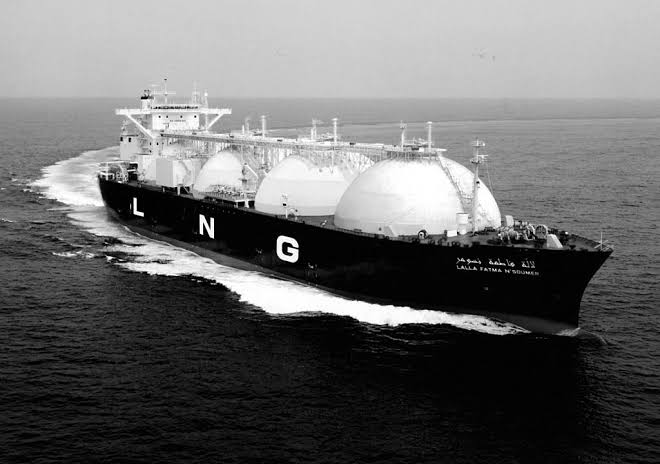
In a major structural shift to fortify national energy security, the Government of India is fast-tracking a plan to build its first emergency strategic Liquefied Natural Gas (LNG) reserves. Rather than executing the prohibitively expensive and time-consuming alternative of developing underground geological storage or using depleted gas fields, policymakers are opting to mandate LNG terminal operators to expand and use storage capacity directly at existing import terminals.
The policy rewrite follows a comprehensive review by the Ministry of Petroleum and Natural Gas after regional vulnerabilities—particularly supply and shipping lane disruptions in the Strait of Hormuz during recent West Asia tensions—exposed India’s lack of any strategic natural gas safety net.
1. The Operational Buffer Blueprint
India currently operates multiple onshore LNG import terminals with an aggregate regasification capacity of around 47.7 to 52.7 million tonnes per annum (mtpa). The proposed regulatory mandate framework is structured to convert these commercial hubs into a dual-purpose national defense layer:
- The 10% Cushion Mandate: Under the proposal being evaluated, the Petroleum and Natural Gas Regulatory Board (PNGRB) would amend terminal rules to require operators to build and maintain an LNG storage buffer equivalent to 10% above their standard commercial operational requirements.
- Government Requisition Rights: This additional 10% storage tier will be contractually ring-fenced and reserved exclusively for central government activation, allowing the state to requisition the gas to supply critical power plants, fertilizer units, and city gas networks during a global supply shock.
2. A Self-Funding Toll Model (No Fiscal Strain)
True to the government’s recent approach toward strategic energy infrastructure, the project will not be financed via direct budgetary or taxpayer allocation. Instead, the Centre is introducing a public-private toll recovery mechanism:
Plaintext
[ THE PASS-THROUGH TARIFF MODEL ]

Terminal Operators Expand Tankage ──► Allowed to Raise Regasification Tolls (by adding to current ₹65-80/mmBtu fee)
                                              │
                                              ▼
Gas Importers Pay Premium         ──► Costs Pass Seamlessly Down the Supply Chain to End Consumers
Terminal operators currently levy a standard regasification fee hovering around ₹65 to ₹80 per mmBtu. By permitting operators to charge slightly higher tolls, companies can organically recover the capital expenditure required to set up the extra cryogenic tank infrastructure, significantly speeding up development timelines compared to a government-executed project.
3. The “Underutilization Paradox” and Challenges
While the framework enables swift capacity additions without direct state capital, industry experts have flagged a critical operational challenge:
- Low Current Utilization: Except for major hubs like Dahej, the vast majority of India’s existing LNG terminals function well below their installed limits, with average collective utilization tracking beneath 40%.
- The Price Circularity Risk: Importers caution that because terminals are already underutilized due to imported gas being expensive relative to alternative fuels, adding another layer of regasification costs could further hurt LNG’s price competitiveness. This could accidentally depress domestic natural gas demand and weaken the broader commercial case for terminal expansions.
Alongside this LNG safety net, the petroleum ministry is simultaneously pushing state oil marketing companies to draw up a parallel roadmap for a 30-day strategic Liquefied Petroleum Gas (LPG) reserve to completely de-risk residential and commercial cooking gas supplies from maritime vulnerabilities.
India Strategic Fuel Reserves Expansion
This video report decodes India’s post-crisis shift toward expanding its energy buffer across crude, LPG, and LNG to protect national supply chains.
Get the day’s top stories in your inbox
One concise email. No spam, unsubscribe anytime.