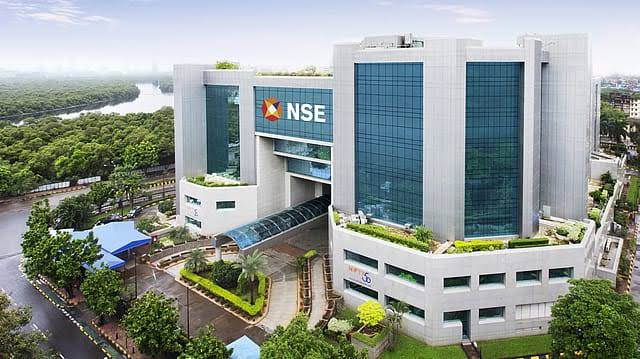
The Markets regulator, the Securities and Exchange Board of India (SEBI), has officially notified rules to reintroduce the open-market share buyback route through stock exchanges effective August 1, 2026.
This major policy shift completely reverses SEBI’s 2025 decision to phase out the stock exchange buyback mechanism. The new framework introduces strict operational constraints to address previous concerns regarding transparency, unequal shareholder treatment, and tax-related distortions.
1. Stricter Operational Constraints
To prevent the prolonged uncertainty that was historically associated with open-market buyback programs, SEBI has implemented a much tighter timeline and size limits:
- Drastically Capped Timelines: A buyback must open within 4 working days of the public announcement and be completely concluded within 66 working days from the opening date. This replaces the older framework, which allowed companies up to six months to complete the process.
- Capital Cap: Repurchases through the stock exchange route are capped at less than 15% of the company’s paid-up capital and free reserves (calculated on both standalone and consolidated financial statements).
- Minimum Fund Utilization: Companies are required to utilize at least 40% of their earmarked buyback funds during the first half of the execution window.
2. Removing Distortions: Trading and Tax Rewrites
The previous system was heavily criticized for distorting the market and favoring select investors. The new 2026 regime changes the core operational and tax structures:
Plaintext
[ SEBI OPEN-MARKET BUYBACK COMPLIANCE OVERHAUL ]

├── Normal Trading Treatment ──► No separate trading window; company identity hidden on screen
├── Promoter ISIN Freeze     ──► Shares held by promoters frozen to prevent accidental trading
└── Tax Burden Shift         ──► Liability moves from the company directly to participating shareholders
- Normal Market Integration: Open-market buybacks will be treated as normal trading transactions. SEBI has eliminated the requirement for a separate trading window and will no longer disclose the company’s identity as the purchaser on the trading screen.
- Promoter Lockdown: To eliminate the risk of insider or inadvertent dealings, shares held by promoters and their associates will remain frozen at the ISIN level for the duration of the buyback period.
- Tax Realignment: The primary catalyst for bringing this route back is a shift in the taxation framework. Previously, the company bore the tax burden, causing massive distortions. Under the new rules, tax liability shifts directly to the participating shareholders, making the process far more equitable.
3. Boost to Ease of Doing Business
In a significant bid to lower compliance costs and simplify corporate actions, SEBI has made the appointment of a merchant banker completely optional/discretionary for companies executing an open-market buyback.
The amendment follows representation from top industry chambers, who argued that removing the mandatory merchant banking middleman would significantly lower structural hurdles, making buybacks a highly efficient capital allocation tool alongside standard dividends.
Get the day’s top stories in your inbox
One concise email. No spam, unsubscribe anytime.